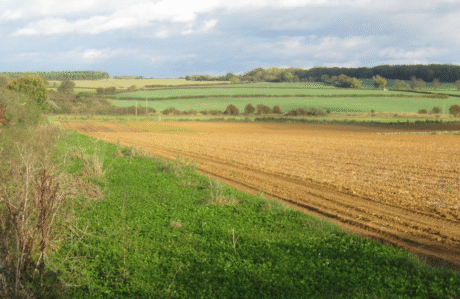
The UNESCO World Heritage Site Brú na Bóinne is one of the most extraordinary prehistoric landscapes in the world. Home to some of Ireland’s most iconic landmarks, this ancient landscape north of the River Boyne is shaped by ceremony and commemoration. Populated by standing stones, henges, and passage tombs, the land showcases a wealth of remarkable feats of engineering and astronomy from over 5,000 years ago. But what can we learn from the south side of the river?
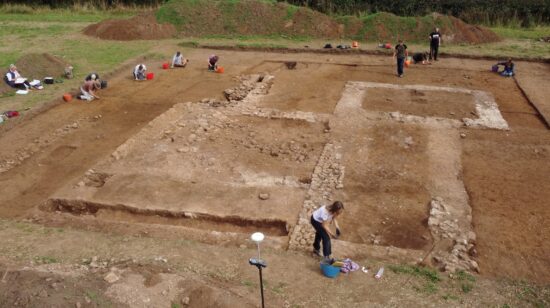
2023 saw us begin our first ever dig in Ireland, and our excavations since then have revealed that the south side of the River Boyne has plenty discoveries of its own to share, including timber enclosures, rare ceremonial avenues (long pathways), ritual structures and palisades (fence-like wooden walls).
This July, we return to the Boyne Valley for our fourth season of crowdfunded excavation. We’ll continue exploring ancient settlements on the hilltops, alongside newly discovered Neolithic and Bronze Age monuments – and you can help make it happen.
But before we dust off our trowels, let’s revisit some of our fascinating discoveries so far that help us explore the mystery of Ireland’s prehistory…
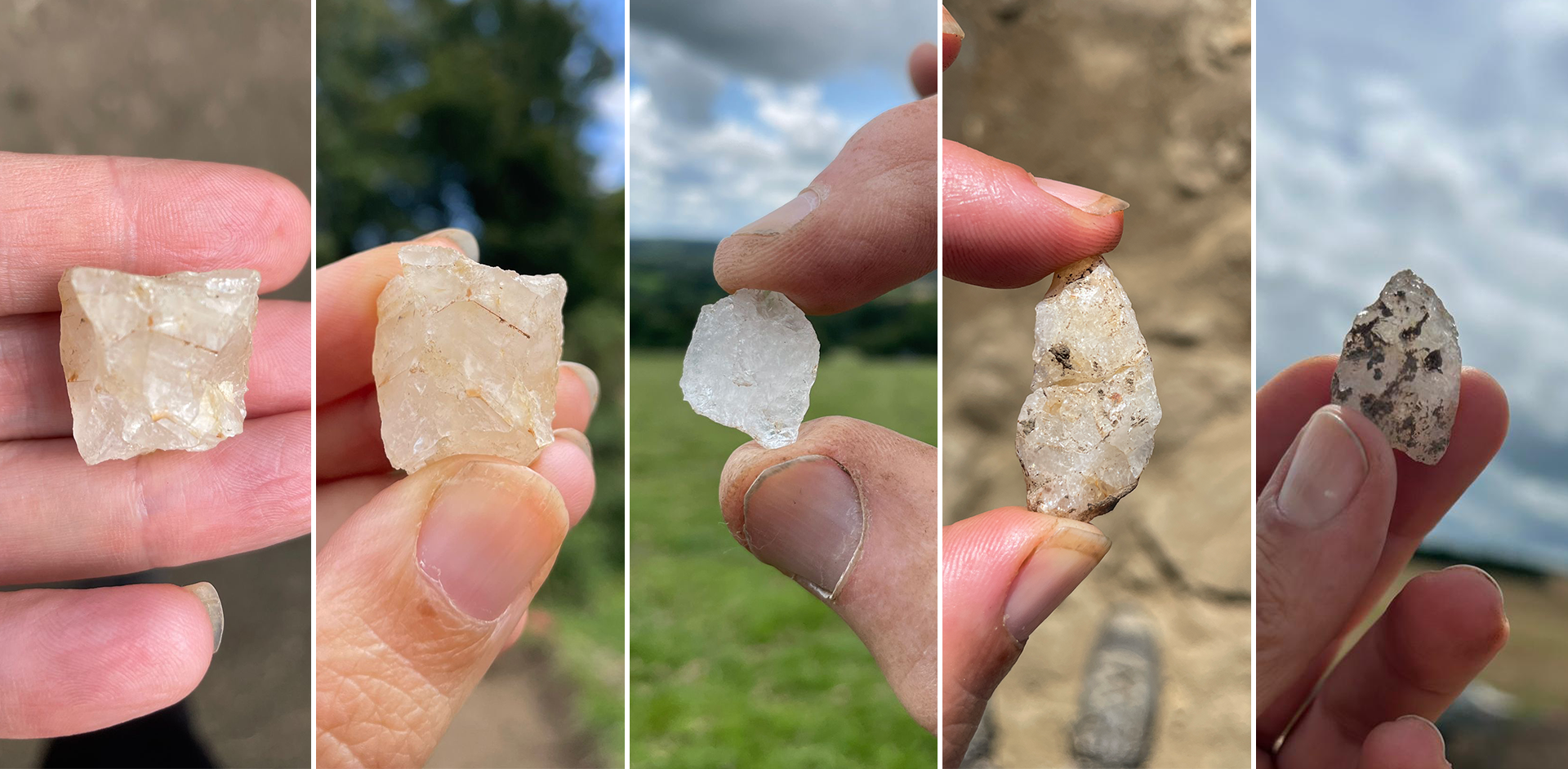
This Neolithic quartz

Credit: DigVentures
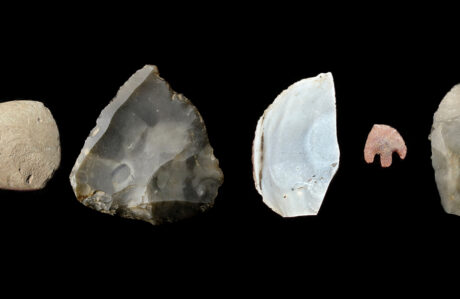
Our past two seasons have unearthed astonishing amounts of quartz tools, including the fantastic quartz core and possible arrowhead Venturer Koel’s proudly holding above.
Credit: DigVentures
While quartz occurs naturally in County Meath’s geology, the sheer quantity we’ve found (and the clear evidence it’s been shaped by human hands) is unusual, and suggests something deliberate was happening here.
Quartz is quite brittle, so we think these finds might represent a prehistoric display of symbolism, ceremony or perhaps even religion. Could it be evidence of rituals we’re only just beginning to understand?
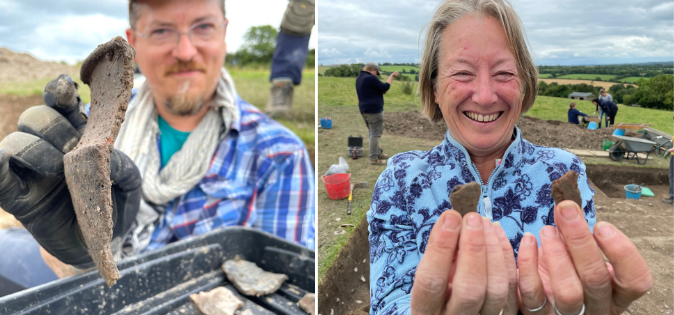
This prehistoric pottery
Credit: DigVentures
Discovered by Art and Susie during our second season, this pottery was a particularly significant find, as it’s one of just a handful of artefacts found here that can help us date our site. And it’s safe to say, it didn’t disappoint!
Despite its coarse but well-fired material (typical of Bronze Age pottery), our specialist Elaine had a hunch that this pottery was a lot older.
After comparing it with examples from nearby sites, she identified it as a carinated bowl – a distinctive ceramic vessel likely made during the early Neolithic period. Dating to between 4,000 – 2,500 BCE, this pottery could’ve been sitting here waiting to be found for up to 6,000 years!
This stone bead

Credit: DigVentures
This tiny bead almost slipped past us, but it was no match for eagle-eyed Venturer Vanessa, who spotted it while carefully sieving soil from our features to make sure nothing important was missed.
Found amongst soil from an excavated enclosure ditch in 2024, it’s proof that while you may not find something in every bucket, the careful work is always worth it!
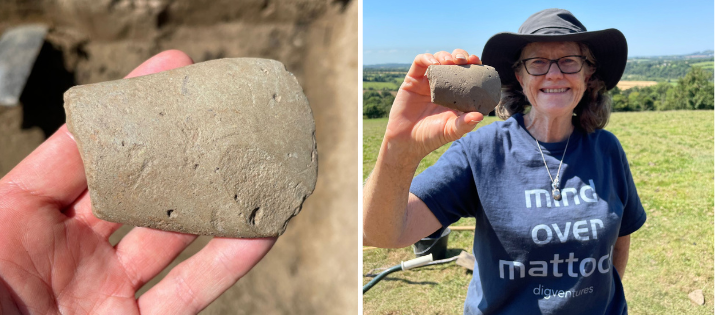
This Neolithic axe head
Credit: DigVentures
This axe head found by Venturers Jewel (pictured) and Marilyne last year would’ve been a major investment of time for its maker, taking anywhere from 60 to 100 hours to craft from polished stone.
Hafted to a wooden handle with sinew, resin or leather, it would’ve been a tool for life, and we can’t help but wonder about the tasks it helped our Neolithic predecessors tackle as they shaped, cut and worked the world around them.
Want a closer look from all angles? Check out our 3D model!
Space
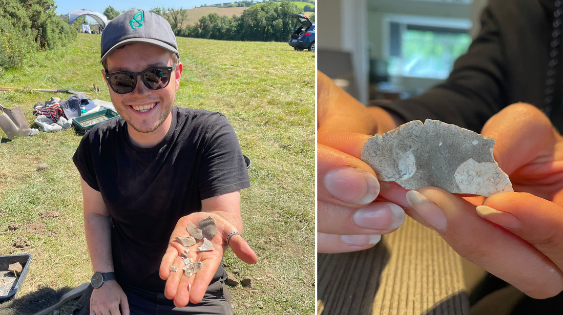
This burnt flint
Credit: DigVentures
Venturer Harry found these pieces of burnt flint above a stone floor surface last season, in what we think may be the remains of a Neolithic house.
Back in the Finds Room, we realised the fragments fit together to form a single artefact (always an exciting moment!), possibly a flint blade or scraper, used for everyday tasks such as cutting or woodworking.
But the fact the flint is burnt raises some fascinating questions. Did it accidentally fall into a fire during daily life? Was it discarded after breaking one day? Or was it deliberately broken and burned as part of a symbolic act, perhaps even to mark the end of the house’s use, and ‘close’ it as part of a ritual?
Join us in Ireland this July
If prehistory’s more your style, our most ancient dig of 2026 is here to take you even further back in time as we continue to explore this new chapter in the Boyne Valley’s history.
How old are the valley’s mysterious structures? Can they help us learn about who built them, and why? What drew people to build here, on hilltops near a natural spring? And how do these monuments connect to the wider story of the incredible World Heritage Site nearby?
Crowdfund the dig to help make it happen (we’re so close!) – and help us reshape what we know about Neolithic Ireland.
Header image: John Byrne



There are no comments on this post yet. Be the first!