Are you not entertained?! For many of us, our ideas about Roman gladiators are shaped by film, TV and popular culture. But to this very day, archaeologists continue to unearth new and surprising evidence that makes us rethink many of these ideas.
With Gladiator II now on the loose, we thought it was time to round up the best of these discoveries. From their surprisingly plant-based diets to the unexpected presence of sausage dogs at the Colosseum, these archaeological discoveries challenge many a preconception about gladiatorial life, and how thoroughly this form of entertainment penetrated even the furthest reaches of the empire.
1. Gladiators had a mostly vegetarian diet
The Gladiator Graveyard of Ephesus has revolutionised our understanding of gladiator diets. Analysis of their bones revealed that these ancient warriors ate primarily plant-based foods, particularly barley and beans – earning them the nickname “hordearii” (barley men). They consumed a special drink made from plant ashes, similar to a modern sports drink. Their bones showed unusually high calcium levels, suggesting a carefully planned dietary regimen. Perhaps most surprisingly, evidence indicates they deliberately maintained a layer of protective fat through their high-carb diet – quite different from the lean, meat-eating warriors we might have imagined.
2. Gladiator training schools were sophisticated institutions
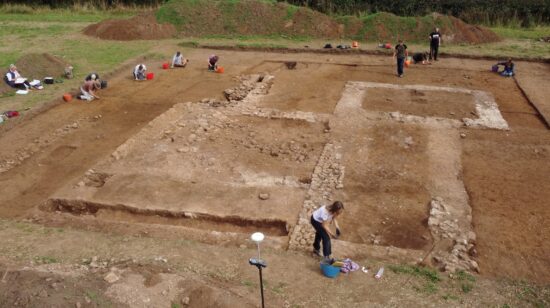
Two major discoveries have illuminated how gladiators trained. In 2011, ground penetrating radar at Carnuntum in Austria revealed one of the most complete ludus (gladiator schools) ever found outside Rome. This discovery included training areas, living quarters, baths, and a cemetery. Similarly, the Gladiator House in Pompeii shows us sophisticated training areas, decorated walls showing combat scenes, and weapons storage systems. These findings help us understand not just how gladiators fought, but how they lived and trained, in highly organised facilities.
3. Sausage dogs may have provided some light relief at the Colosseum
Archaeologists digging beneath Rome’s Colosseum in 2021 made an unexpected discovery: among the bones of animals like bears, lions and leopards, the team also found the remains of small, short-legged dogs with elongated bodies, similar to modern dachshunds. Vicious or exotic animals were often pitted against each other, put against gladiators as part of ‘hunting’ displays, or made to perform tricks in a type of entertainment known as ‘Venatio’. But how exactly did a sausage dog fit into all of this? One theory is that they may have been used as part of these performance, perhaps for comic effect. After all, who wouldn’t want a little light relief after all that bloodthirsty combat?

The Colchester Vase at Colchester Castle Museum // Source: Carole Raddato via Wikimedia Commons
4. Hooliganism led to a 10-year ban on gladiatorial games in Pompeii
The 1930s discovery of a fresco in the house of Actius Anicetus in Pompeii shows how gladiatorial spectacles could sometimes spark dangerous civil unrest. Depicting detailed scenes of gladiatorial combat and crowd violence, it seems to confirm historical accounts of an infamous riot in AD 59 that erupted between Pompeians and rival fans from the nearby Nuceria during a gladiatorial contest in Pompeii’s amphitheatre Outraged by the riot, and the multiple deaths that ensued, Nero’s senate issued Pompeii with a decade-long ban on gladiatorial games. When the ban was finally reduced, it added to Nero’s popularity in the area.
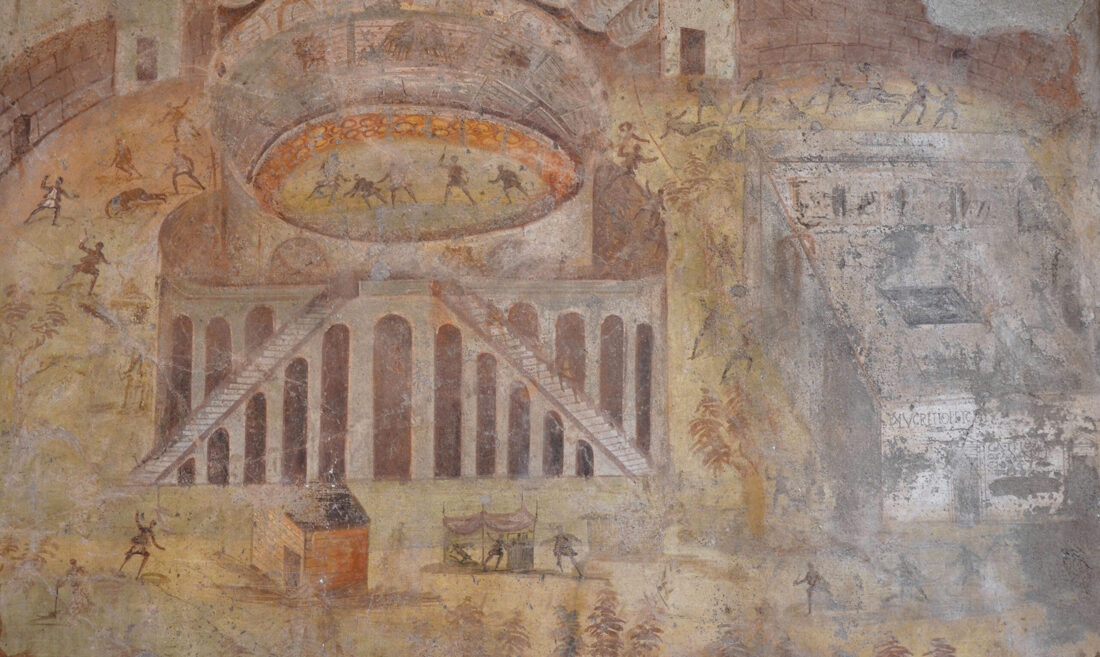
Fresco depicting an infamous riot which broke out in Pompeii in AD 59 // Source: Carole Raddato, Flickr.
5. The only known burial of a female gladiator might be in London
Female gladiators are known to have fought – there’s even an inscription from Pompeii bragging that one games organiser was the first to bring women into the town’s arena. But at Great Dover Street Roman cemetery in London, archaeologists also found a high-status burial containing many gladiatorial artifacts. Analysis later showed that the bones belonged to a 20-year-old woman, suggesting these might be the remains of a female gladiator. While this interpretation is debated, it could provide unique evidence of the women who participated in gladiatorial combat.
6. Children drew pictures of gladiators
Archaeologists found the graffiti in the Insula dei Casti Amanti, a cluster of homes and a bakery. Based on their simplicity and childish qualities, researchers have attributed them to children. These vivid drawings show us that children were probably among the spectators too, and that gladiators were a big part of their cultural millieu.
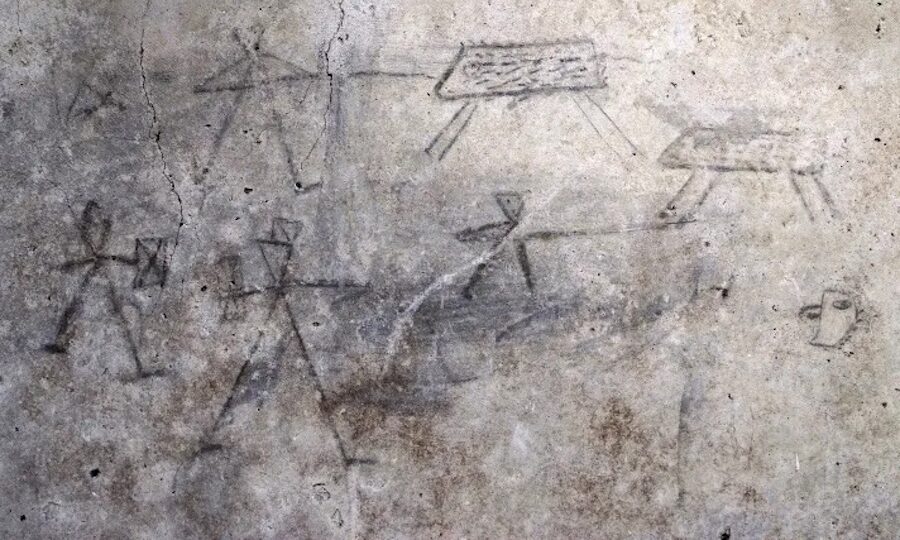
Charcoal sketch of gladiators // Pompeii Archaeological Park
7. Gladiator ‘celebrity culture’ permeated the furthest reaches of the empire – and included fan memorabilia
When a knife handle featuring a gladiator was discovered by two divers in the River Tyne near Hadrian’s Wall, it provided a small glimpse of how celebrity culture permeated even the furthest reaches of the empire. The figure, with his helmet and shield, is shown to be left-handed. If this unique individual was based on a real-life fighter, archaeologists say it could mean that the item had been bought as a souvenir, similar to modern-day merch and fan memorabilia.

Gladiator knife handle // Source: Portable Antiquities Scheme, via Wikimedia Commons
8. In Britain, the demand for entertainment was so great, they even converted a Neolithic henge into an amphitheatre!
The remains of at least 230 Roman amphitheatres have been found across the area of the Roman empire, and at least 7 of them are in Britain. They include London, Chichester, Dorchester, Silchester, Chester, and Cirencester.
During excavations at Maumbury Rings (Dorchester), archaeologists discovered that the Romans hadn’t built this one from scratch. Instead, they’d ingeniously modified and repurposed an existing Neolithic henge monument into an amphitheatre, fit for their entertainment needs.
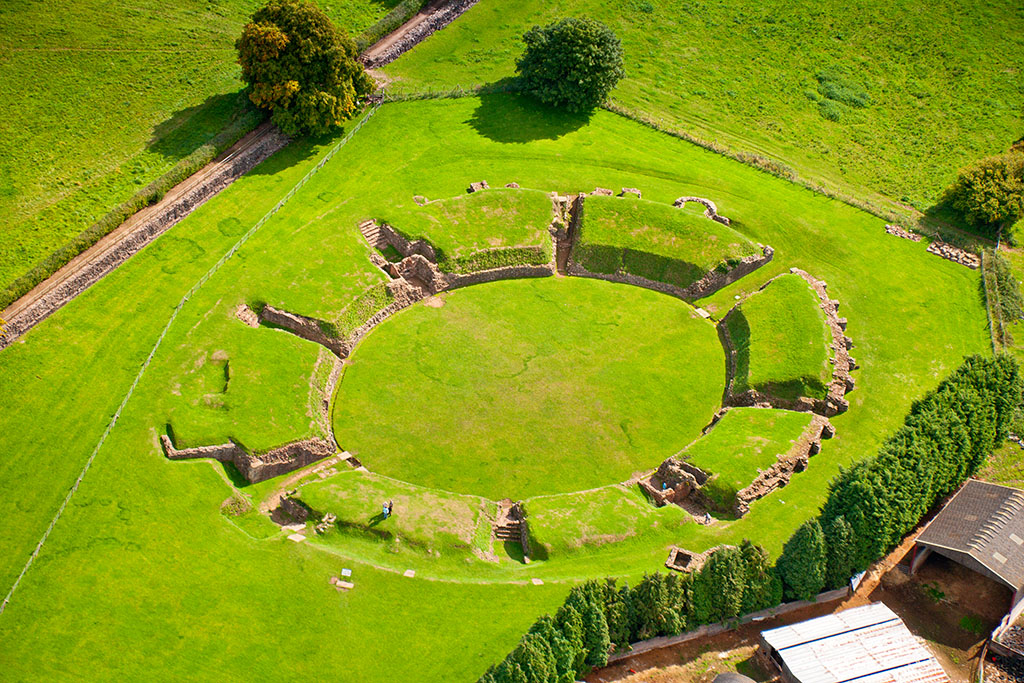
Caerleon Roman amphitheatre // Source: Visit Wales; agents of CADW via Wikimedia Commons
But did gladiators actually fight in these amphitheatres? Many archaeologists think yes, they probably did. Chester, the largest of the lot, could easily seat at least 8,000 spectators and included a shrine to Nemesis, the goddess of fate/vengeance. A prayer to her was often a gladiator’s last act before heading out into the arena. At Caerleon Roman Amphitheatre, archaeologists even found a tablet with a message to the deity reading “Lady Nemesis, I give thee a cloak and a pair of boots. Let him who took them not redeem them with his own blood.”
But that’s not all. The Roman cemetery in York contained 80 skeletons showing distinctive combat injuries and animal bite marks. Plus, recent reanalysis confirms that the Colchester Vase, which shows named gladiators and their fighting styles, was made locally and probably depicts specific events that may have taken place in Colchester itself. All of this adds further evidence of gladiatorial combat in Roman Britain, suggesting these spectacles were a regular part of life in the province.






There are no comments on this post yet. Be the first!