From curious fragments to narrative-changing discoveries, 2025 has been a year packed with extraordinary finds. Each one adds a piece to the puzzle of past landscapes and daily lives across the UK and Ireland, and none of it would’ve been possible without our brilliant Venturers.
After a season of excavating 21 trenches, uncovering nearly 16,000 finds, making 151 archaeological drawings, and taking 130 environmental samples across 6 sites, our team of archaeological experts are now knee-deep in lab analysis.
We can’t wait to share the stories these finds reveal over the coming months. But for now, here’s a taste of 2025’s most intriguing discoveries, and why we love them…
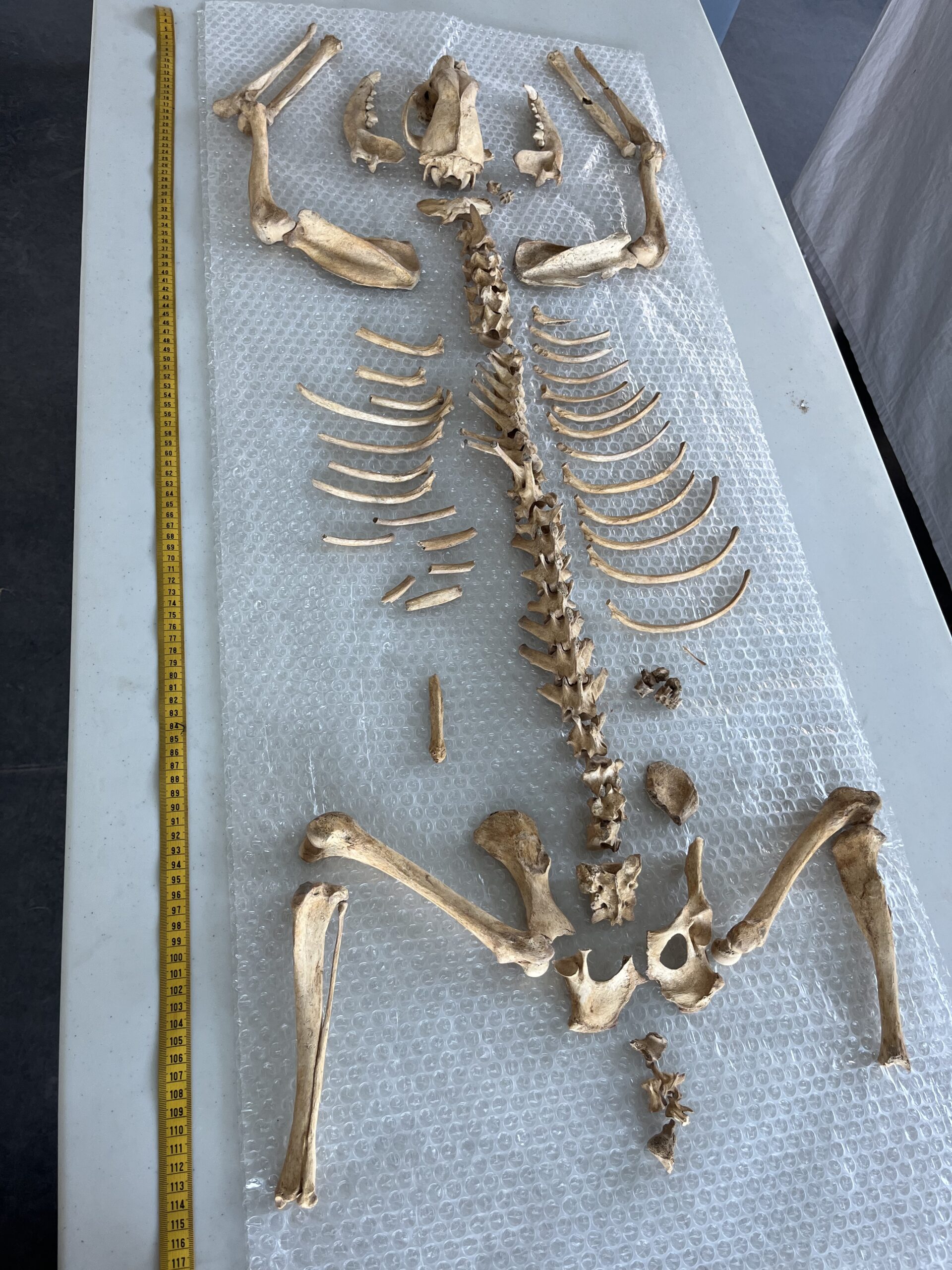
1. This Iron Age dog skeleton from Earth Trust, Oxfordshire
Credit: DigVentures
Our first dig of 2025 at Earth Trust turned up this old chap, buried in an Iron Age pit. About the size of a modern Labrador, his bones tell the story of a tough life. Our analysis shows he had a badly broken hind leg that healed shorter than the other (likely leaving him with a permanent limp), other healed injuries, abnormal bone growth, heavy tooth wear and a broken canine worn smooth. He clearly survived serious trauma, but managed to live beyond the age of ten.
Bones from sheep, goat and young pig found near his ribcage evidence his last meals, which were likely scraps shared with a beloved companion. The care taken in his burial, along with the time he would’ve needed to recover from his injuries, suggests he was taken care of with love. Finds like this are a wonderful reminder that companionship and the bond between humans and their pets span millennia. A proper Iron Age good boy!
2. This Roman tile from Earth Trust, Oxfordshire

Credit: DigVentures
Our Earth Trust dig also offered up this large piece of Roman box flue tile, likely part of an underfloor heating system (known as a hypocaust) from an earlier phase of our Roman building.
These hollow rectangular tiles would’ve carried hot air from a furnace beneath the floor up through the walls (clever), while the grooves on the exterior would’ve helped mortar stick during installation.
But this hypocaust isn’t just about toasty toes and Roman ingenuity – it tells us that the earlier Roman building it belonged to was pretty high-end, suggesting some level of wealth and status at this homestead.
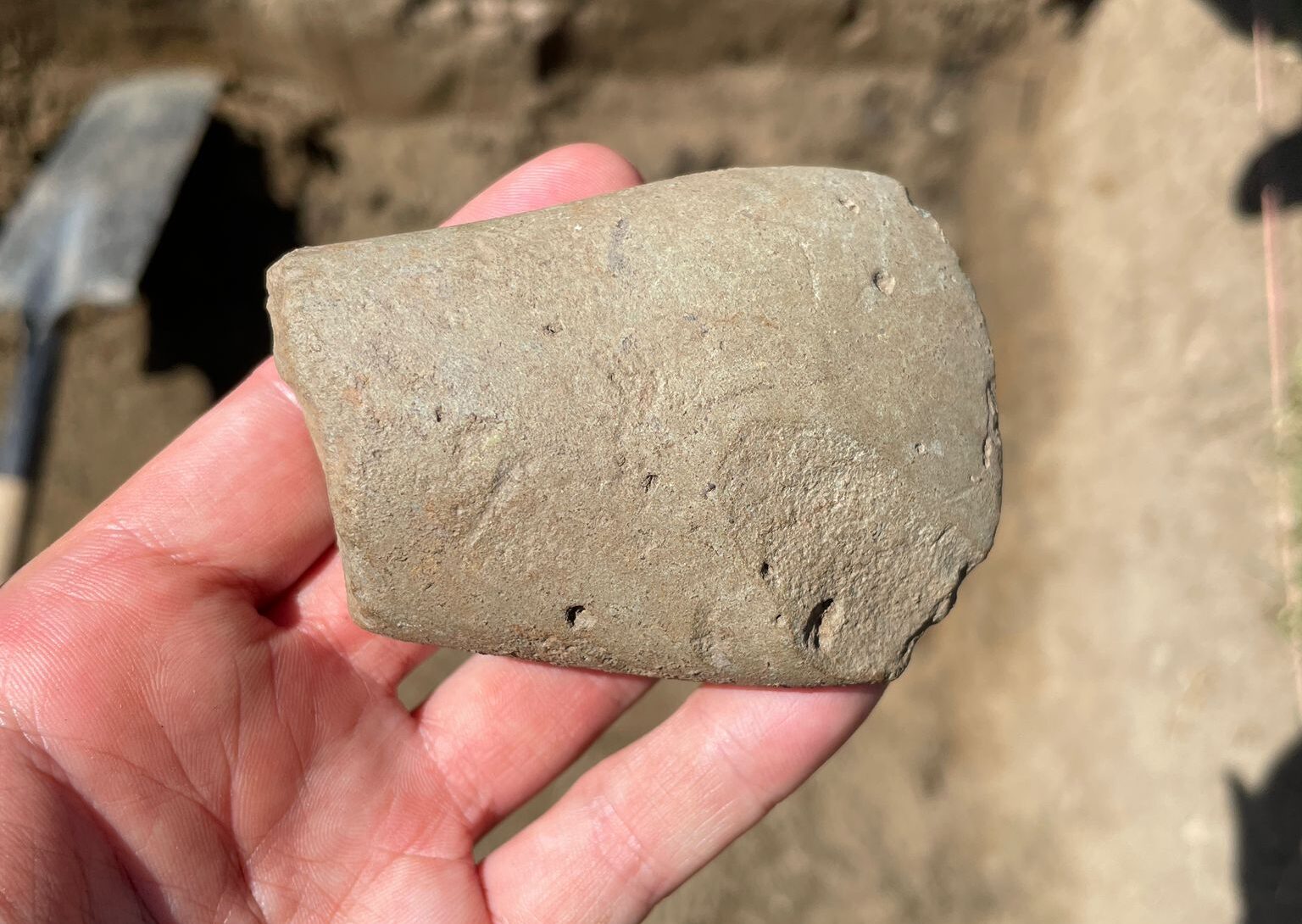
3. This Neolithic polished axe head from Boyne Valley
Credit: DigVentures
Crafted from stone and carefully polished, this axe head found during our excavations at Boyne Valley would’ve been a major investment of time for its maker, taking anywhere from 60 to 100 hours to create.
Hafted to a wooden handle with sinew, resin or leather, it was a tool for life, helping our Neolithic predecessors to shape, cut and work the world around them. Finding one in 2025 really felt like shaking hands with a craftsman from thousands of years ago…
Explore the axe head in all its glorious 3D detail:
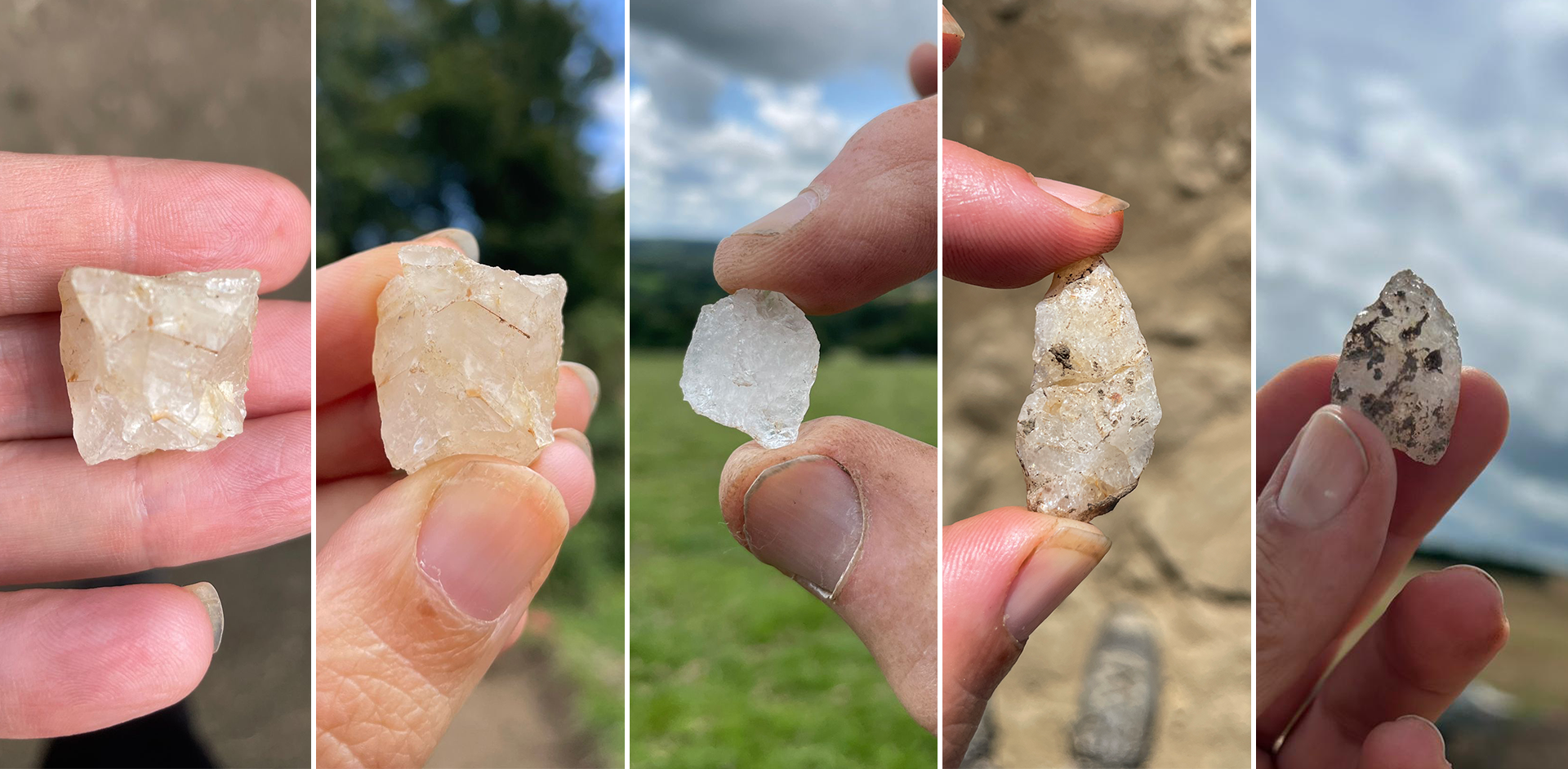
4. This Neolithic quartz from Boyne Valley
Credit: DigVentures
This season at Boyne Valley also unearthed an astonishing amount of quartz. While quartz naturally occurs in County Meath, the quantity of deliberately worked pieces found this year suggests careful selection by the Neolithic community.
From worked flakes to arrowheads, the sheer amount and intentional shaping of the quartz we found indicate something deliberate was happening here. As a material it’s quite brittle, so we like the possibility that these finds could be a prehistoric display of symbolism, religion or something more ceremonial in nature…
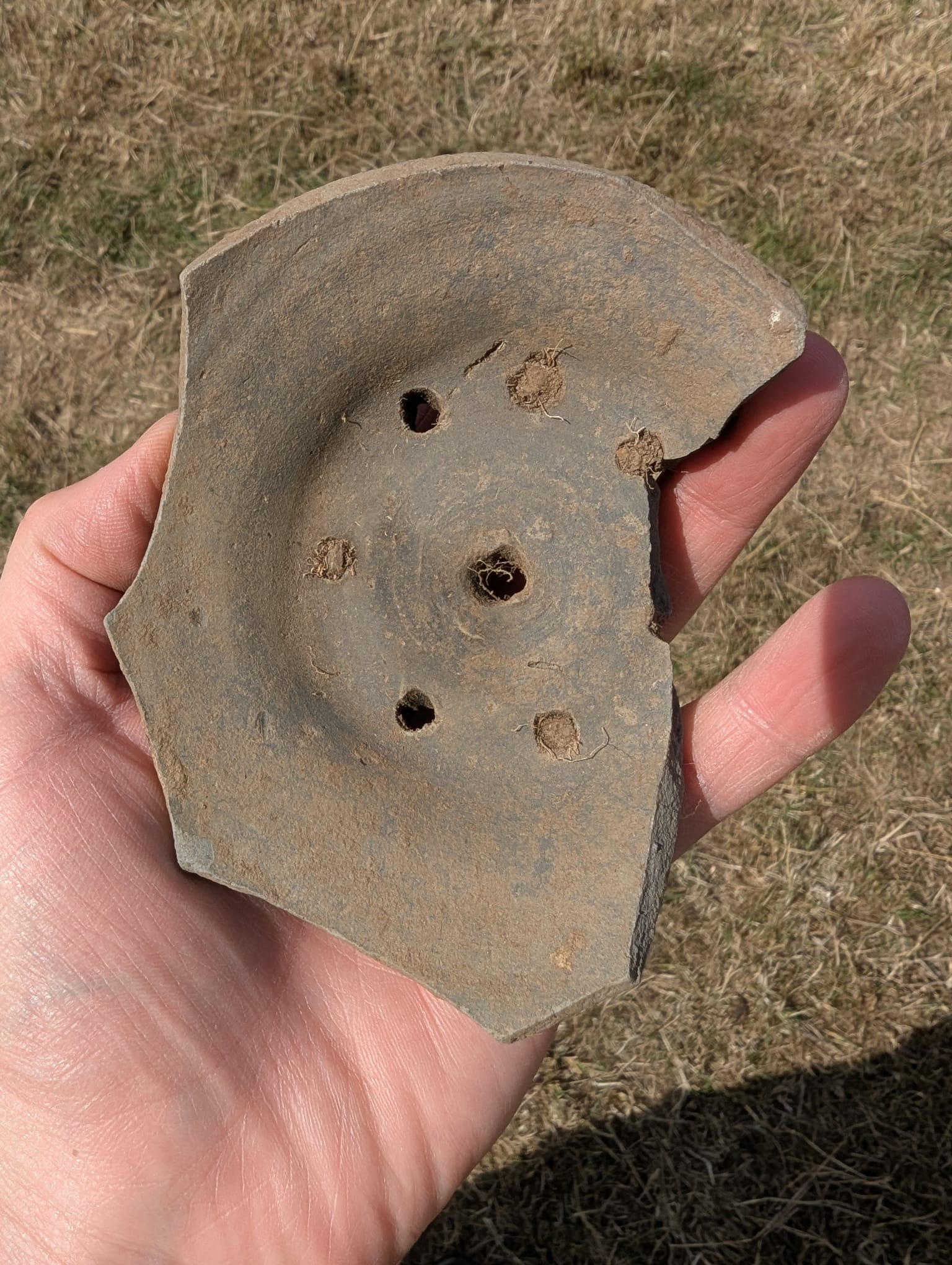
5. This Roman cheese press from East Yorkshire
Credit: DigVentures
This is one of several cheese presses uncovered at our East Yorkshire dig, dating to the 2nd or 3rd century. Back in the day, this clever bit of kit would’ve been used to squeeze curds down into a solid mass (like an ancient hydraulic press), while the holes let the liquid whey escape, essentially creating cheese.
It’s always a delight to stumble across the everyday lives of the Romans, and this press is a tasty reminder that, even two millennia ago, they appreciated the good stuff (cheese!). And you know what goes really well with cheese? Bread, you say? Well, it’s funny you should mention that…
6. This Roman quern stone from East Yorkshire

Credit: DigVentures
This 4th-century quern stone uncovered in East Yorkshire would’ve been used to grind grain before cooking.
Together with the cheese presses and even a possible oven on-site, it’s easy to build an image in our minds of a bustling Roman bakery sat where our site is today. We can almost smell that fresh Roman loaf baking…
7. This suspected Roman disk brooch from East Yorkshire

Credit: DigVentures
Small but striking, this disc brooch found in East Yorkshire is a great reminder that Roman Britain wasn’t just practical, it also had style. Brooches in this disc shape were common around the 2nd century, and would’ve been used to fasten clothing and show off some flair in the process, with what appears to be a flowing Celtic spiral pattern on this one. The brooch’s green tinge also suggests it’s made of a copper alloy, like bronze.
We love finds that offer a glimpse into little acts of personal expression nearly two thousand years ago.
8. This mysterious medieval worked horn from Lindisfarne
Credit: DigVentures
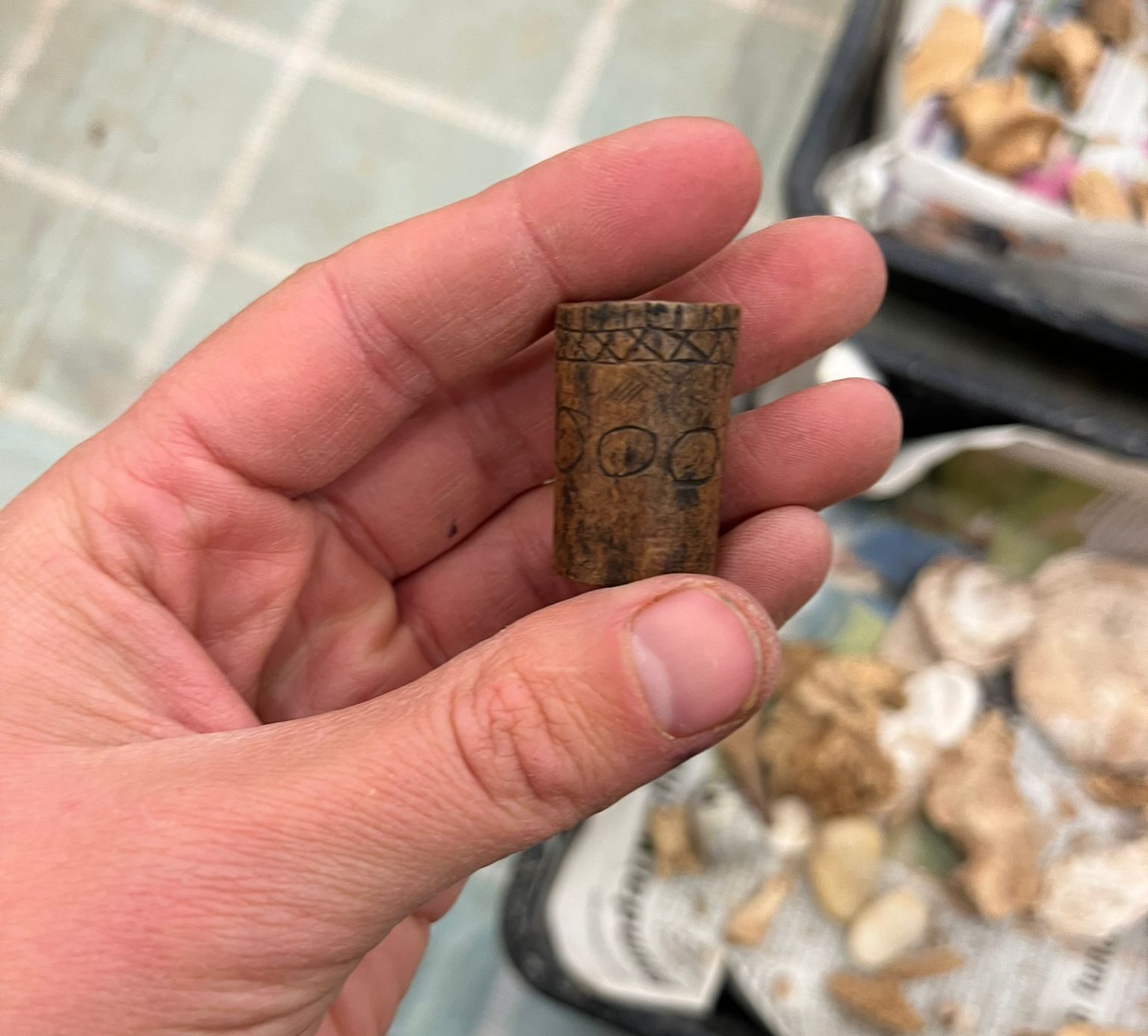
This decorated piece of worked animal horn was found in trench topsoil at this season’s dig at Lindisfarne. Likely a toggle of some sort, its straight-cut edges and hand-carved circles look to be a combination of careful craftsmanship and improvisation.
We think it dates to the early or later medieval period, but beyond that…we’re delightfully in the dark about it so far. Sometimes, the mystery is half the fun!
9. This medieval animal bone flute from Sudeley Castle, Gloucestershire

Credit: DigVentures
Spotted on the last day of our dig in the grounds of Sudeley Castle, this delicate bone flute was a joy to stumble across. Carefully worked from animal bone, it likely dates to the medieval period and points to how people here may have passed the time, accompanying work, entertaining others or simply lifting spirits after a long day.
We can’t help wondering what it would’ve sounded like when it was last played!
10. And our Venturer voted favourite…🏆
Credit: DigVentures
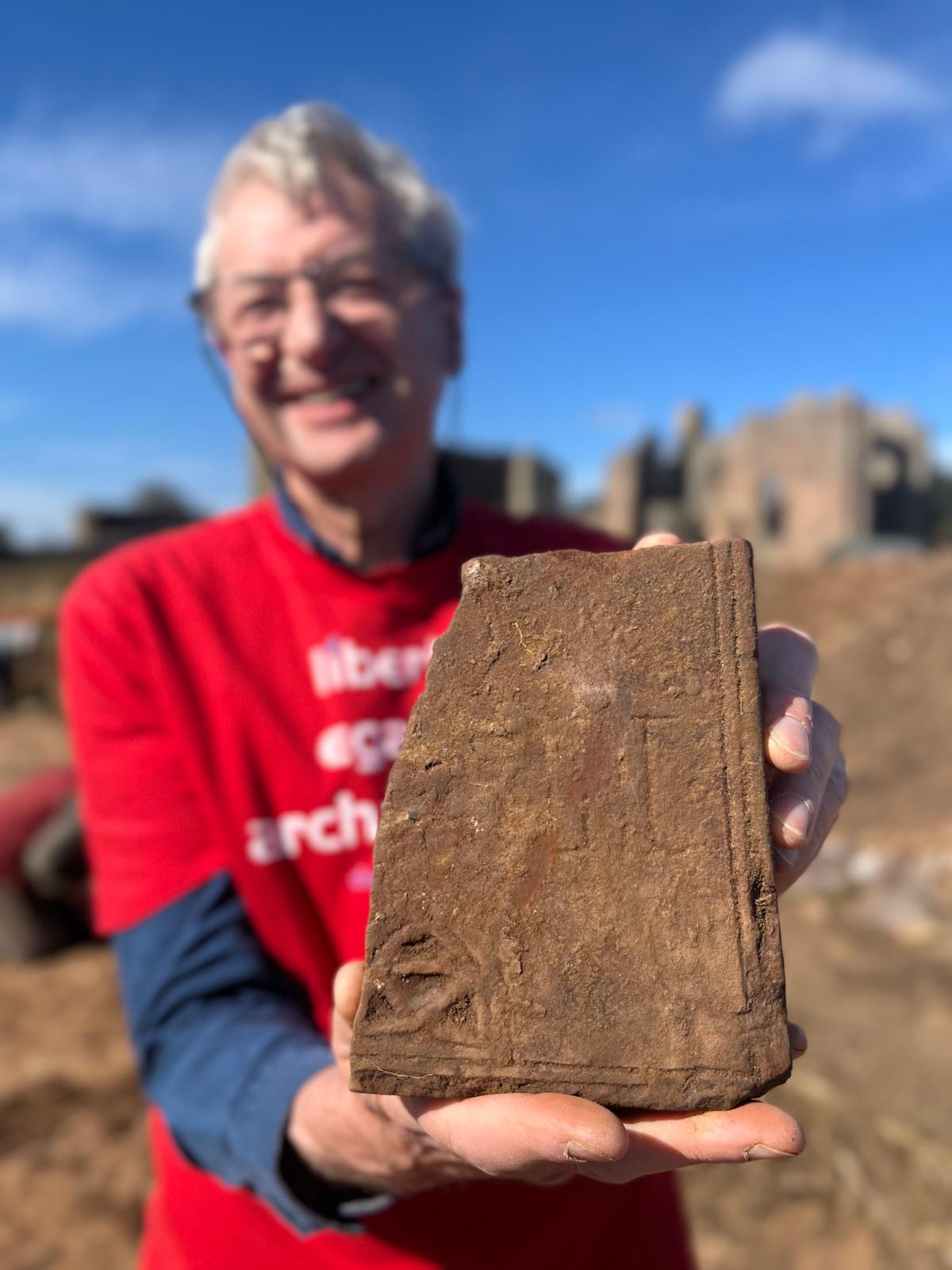
This sizeable fragment of namestone emerged during our final season at Lindisfarne. Worn and fractured, it still bears part of the commemorated individual’s name, and we can’t wait to find out what it could’ve once read. Even a fragment like this opens a rare window into the identities, beliefs and lives of people living in early medieval Northumbria.
This kind of find is a perfect reminder that archaeology isn’t just about objects, it’s about people, their stories and the connections they left behind – full of hopes, fears and little glimpses into their world…
Explore the namestone in all its glorious 3D detail:
Want to try archaeology?
DigVentures runs archaeological digs that you can be part of. Join us on site and we'll teach you everything you need to know to be an archaeologist for the day.
Find out more
Written by Shelby Stapleton
Shelby is DigVentures’ Events and Communications Officer and a Brunel University Journalism graduate. She joined Team DV in 2025 (much to the excitement of her eight-year-old self, who wanted to be an archaeologist), bringing experience across the charity, heritage and cultural sectors, with a background in multi-platform campaigns and audience-facing roles. She especially loves Ancient Egypt and the Tudors, and since joining the team has developed a growing fondness for prehistory. When she’s not sharing stories or supporting community events online or in the field, you’ll find Shelby (halfway) up a climbing wall, at the theatre or chasing views (halfway) up a mountain.


There are no comments on this post yet. Be the first!