Imagine trying to restore an ancient tapestry while only looking at half its threads. That’s essentially what we’re doing with our landscapes today.
Ecologists protect wildlife and habitats, while archaeologists preserve historic sites – each working separately on different pieces of the same living landscape. This artificial divide isn’t just inefficient; it’s holding us back from truly understanding the places we cherish. The greatest barrier to protecting our heritage from climate change isn’t external – it’s self-imposed. We’ve fractured landscape stewardship by creating professional silos between natural and cultural heritage.
Could breaking this artificial divide transform how we safeguard our living landscapes?
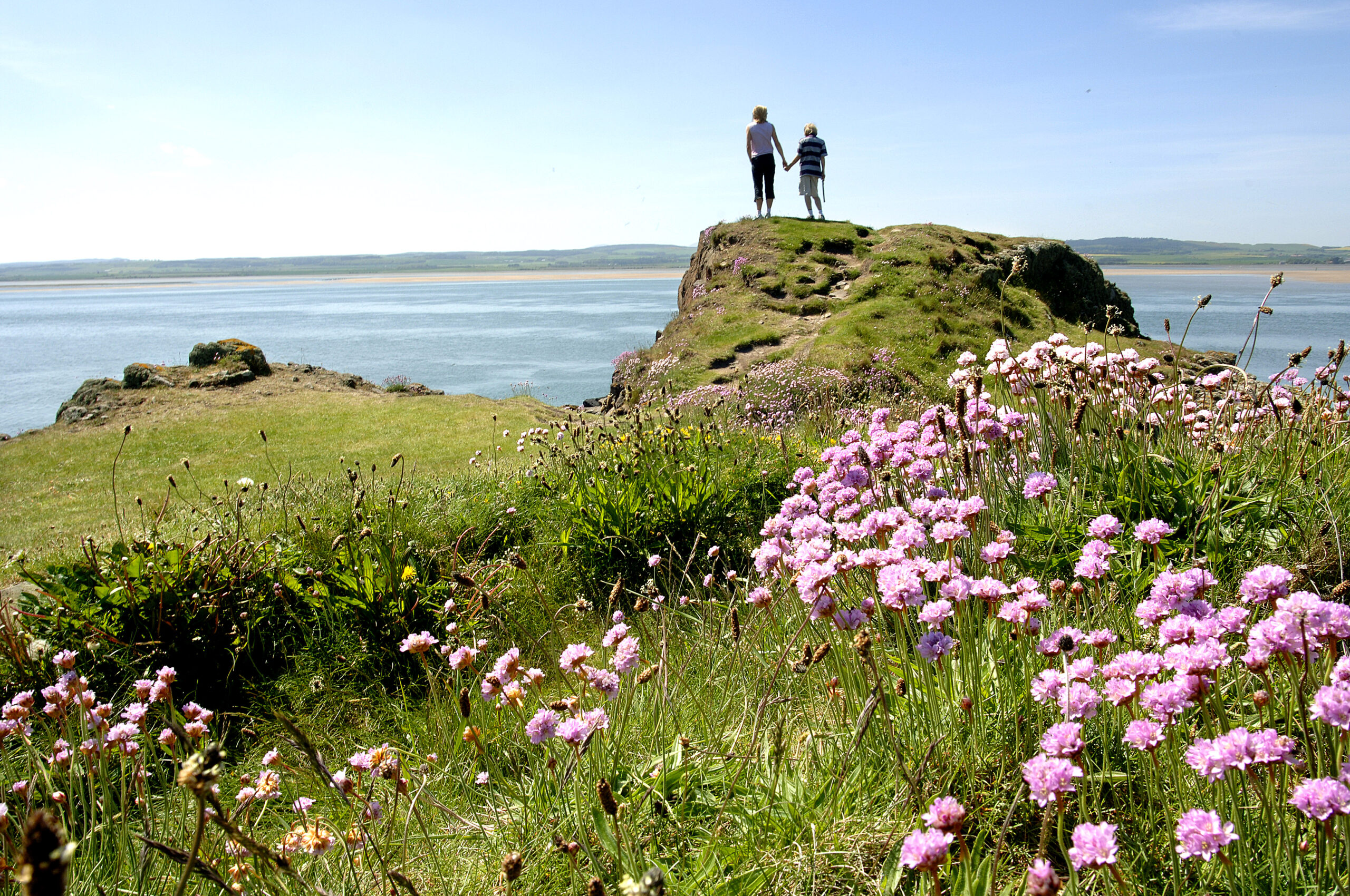
Professional fragmentation runs deep: funding bodies pit organisations against each other rather than fostering collaboration, advocacy groups retreat into specialised silos, and organisations disconnect from the communities they serve. The result? A system working against itself, undermining our ability to address the very challenges it exists to solve.
The solution lies not just in breaking down walls between specialists, but in fundamentally rethinking how we care for landscapes as the complex, interwoven systems they are. The architect and system theorist Buckminster Fuller famously said that ‘you never change things by fighting the existing reality. To change something, build a new model that makes the existing model obsolete.’
Deep Time, our digital platform empowering citizens to map and monitor both natural and cultural heritage using satellite imagery and LiDAR data, embodies this philosophy. By bringing citizens and technology together, it captures landscapes in their entirety – from historic landscapes to living ecosystems, from community value to economic worth. It’s about reading the whole story our landscapes tell, not just isolated chapters.
Clearly identifying this challenge is one thing – transforming it into a practical solution is quite another. Following Nesta’s innovation spiral, Deep Time has evolved through three critical phases. We began by exploring how the pandemic’s digital shift could transform heritage preservation. Our testing phase proved citizens could use technology to map both natural and historic features for major landowners, revealing how the traditional nature-culture divide was impeding progress. Now, we’re scaling Deep Time with our partners, refining a tool that serves both citizen scientists and the organisations that depend on their data. This systematic approach has transformed an initial insight into a practical solution for landscape-scale heritage mapping.
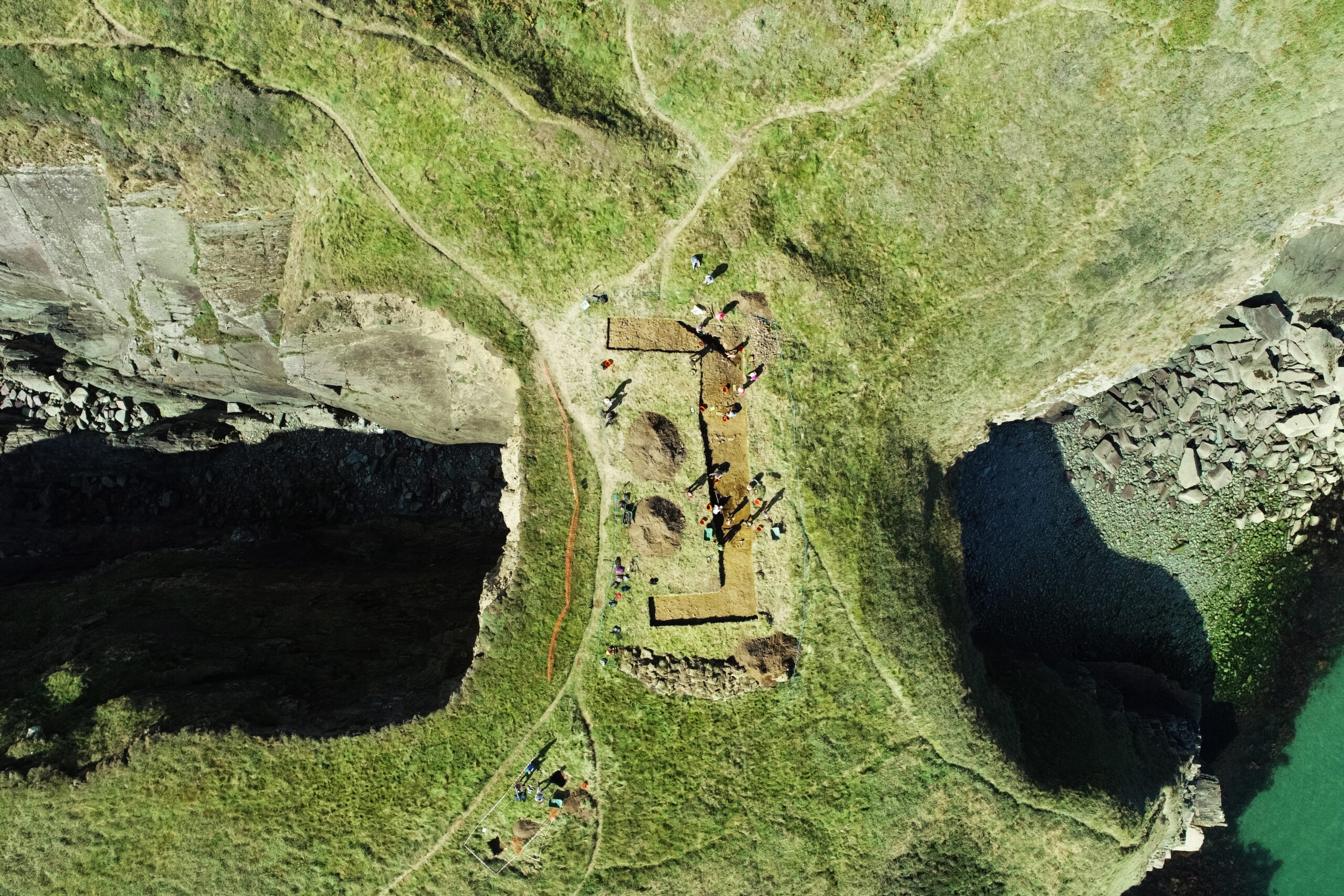
This journey isn’t just about building a platform – it’s about catalysing real change in how we protect our shared heritage. Each iteration brings us closer to our goal: making citizens central to climate action and heritage preservation, not just observers.
Our professional instinct to break complex challenges into manageable pieces has become part of the problem. A woodland’s ecological value can’t be separated from its archaeological significance, nor its cultural meaning from its role in fighting climate change. Nature doesn’t recognize our artificial divisions – medieval field systems shape biodiversity, traditional farming creates cherished habitats, and ancient woodlands shelter both rare species and archaeological treasures. These tell one interconnected story.
By uniting technology, communities, and landscape-scale data, Deep Time is transforming how we value and protect the places that matter to us all. We’re not just mapping our heritage – we’re reimagining its future.



There are no comments on this post yet. Be the first!