Ask someone to describe their ideal home, and you’d be surprised if they simply responded by quoting the cash value of a house.
When we dare to imagine a better living environment, many factors come into play beyond the financial cost. The places we call home are deeply intertwined with our social fabric, cultural identity, and connection to nature. Yet, traditional economic models often fail to capture the full value of these vital elements, reducing our homes and habitats into simple economic metrics, overlooking their role in sustaining people and communities.
As we personally and collectively grapple with the mounting challenges of climate change and environmental degradation, it’s time to reimagine our approach to valuing and investing in the landscapes that sustain us. By shifting our perspective from a narrow focus on economic markers to a more holistic understanding, we can embrace the intrinsic worth of what has come to be known as ‘natural capital’.
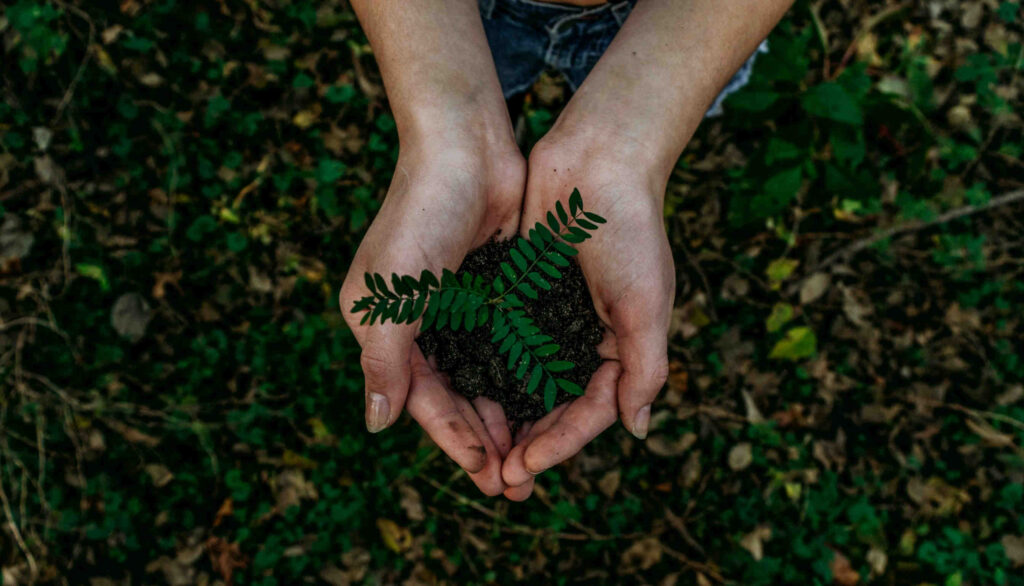
The concept of natural capital – the forests, water bodies, soils, and oceans that provide us with sustenance, energy, recreation, and the air we breathe – moves beyond shallow economic framing, encompassing the ecosystem services that landscapes provide to humankind. It provides the tools and language we need to value the tangible and intangible benefits that make human life possible.
From food, water and shelter to enjoyment, inspiration and connection, natural capital identifies what we could gain through regenerating landscapes. And it reminds us too of what we stand to lose. Natural capital faces catastrophic decline due to climate change, ultimately threatening societal well-being and sustainability.
Citizen science can revolutionise the natural capital conservation
Our Deep Time project, empowering citizens to map historic landscapes and ecological habitats using satellite imagery and LiDAR, exemplifies this natural capital approach. Commissioned by Defra and Natural England’s Natural Capital and Ecosystems Assessment (NCEA) programme, our challenge was to explore how a natural capital approach could be embedded into citizen science.
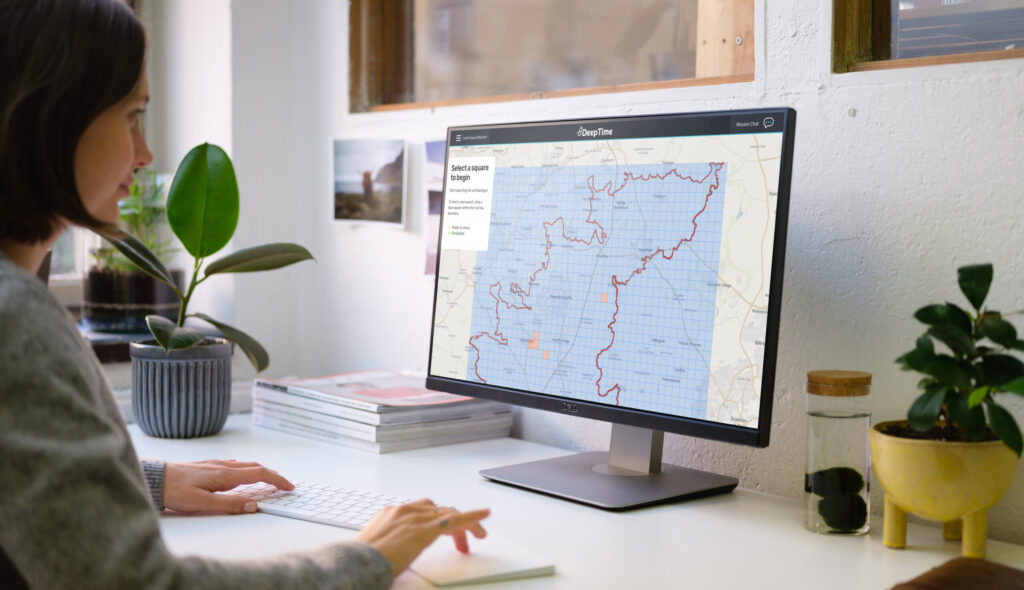
The goal is to support and facilitate a range of Nature-based Solutions trying to tackle the decline in natural capital, including initiatives like Biodiversity Net Gain and Local Nature Recovery Strategies designed to incentivise public and private investment in nature recovery. These ambitious policies face several critical obstacles, including a lack of comprehensive baseline data about habitats and historic environments, and barriers to citizen participation and decision-making diminishing the potential value of the historic and natural landscape for people.
The results of our Deep Time missions have been startling, mobilising hundreds of citizens to produce comprehensive habitat data across an area across a 4,800 km² area in just a few short months. This citizen-centred approach has yielded remarkable data for conservation organisations, bridging national environmental policy with grassroots action.
It’s also marked a profound shift for climate-vulnerable communities themselves: 39% reported increased interest in local climate impacts, while 32% felt motivated to join other climate initiatives, and perhaps most significantly, 92% expressed greater optimism about the future.
A hopeful future that goes beyond data
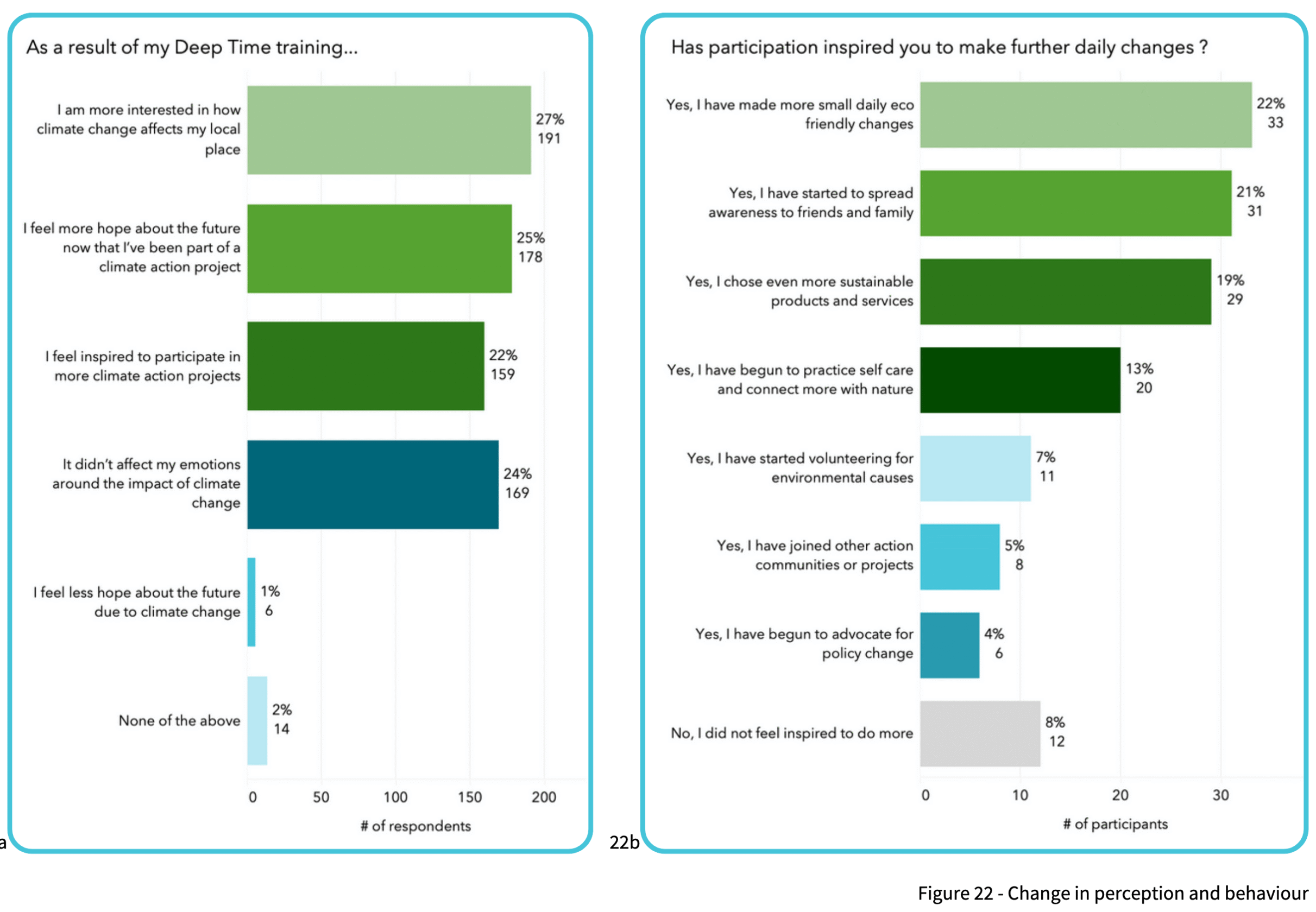
Post-Deep Time training evaluation revealed significant positive impacts: 27% reported increased interest in local climate impacts, while 22% felt motivated to join other climate initiatives. Perhaps most significantly, 25% expressed greater optimism about the future, and 91% of participants had been inspired to make further daily changes to have a positive effect on the environment.
Our impact evaluation has shown that combining citizen science with natural capital can lead to a tangible shift in environmental engagement, inspiring a sense of hopeful, active citizenship – a crucial antidote to the powerlessness many feel in the face of what can often seem like an insurmountable environmental challenge. As well as producing the necessary habitat data needed for Nature recovery, the enjoyment and inspiration experienced by citizens show that digital participation is itself another net positive flowing from natural capital.
A natural capital model of citizen science can offer a powerful path forward into a future of incalculable environmental challenges, turning our isolated, ideal houses into a liveable community of ideal homes.




There are no comments on this post yet. Be the first!