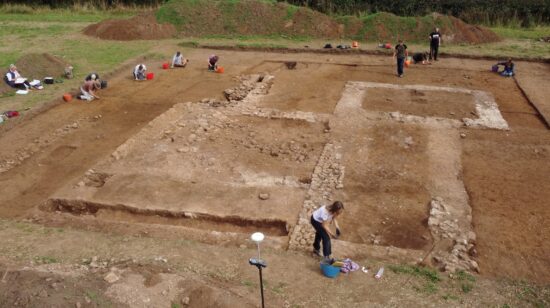
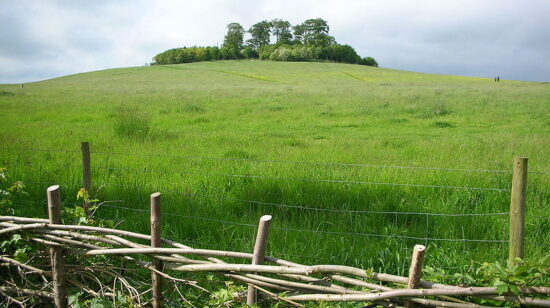
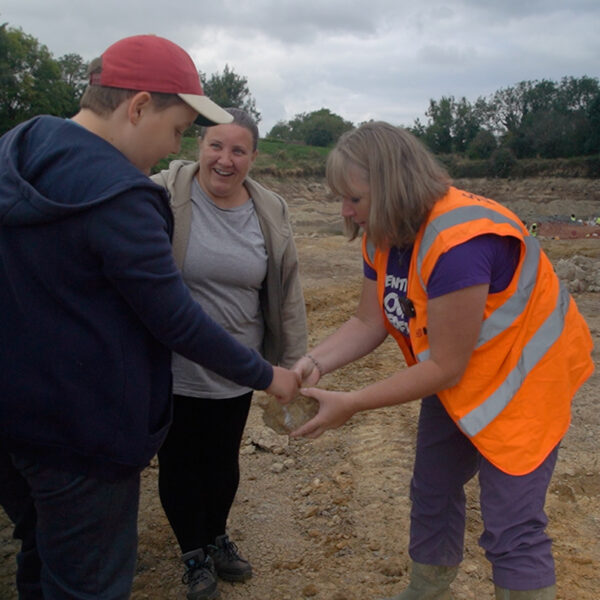
In 2017, two fossil finders made an incredible discovery at a quarry near Swindon: a 200,000 year-old hand axe, next to remains of a steppe mammoth, buried in the mud of an ancient course of the River Thames.
This find triggered two seasons of archaeological excavation led by DigVentures, and the production of BBC documentary Attenborough and the Mammoth Graveyard, which together revealed a snapshot of a long-lost landscape once populated by Neanderthals, mammoths, and Ice Age megafauna.
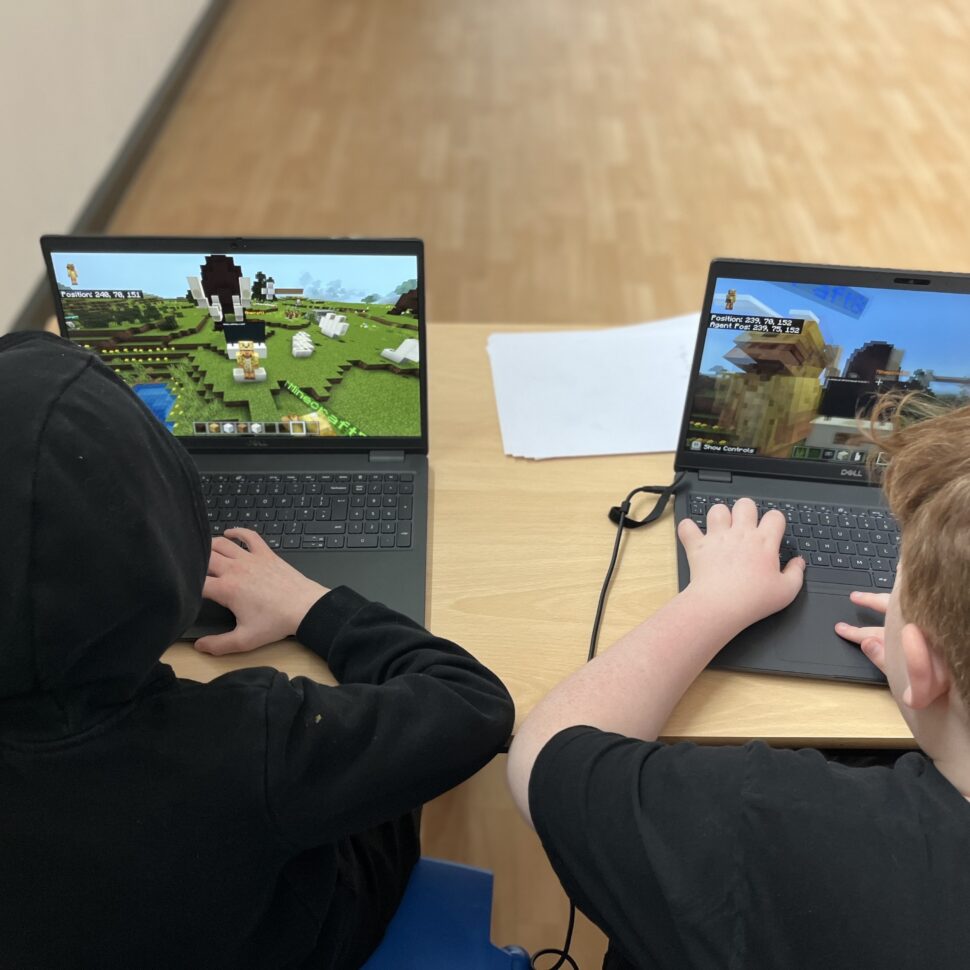
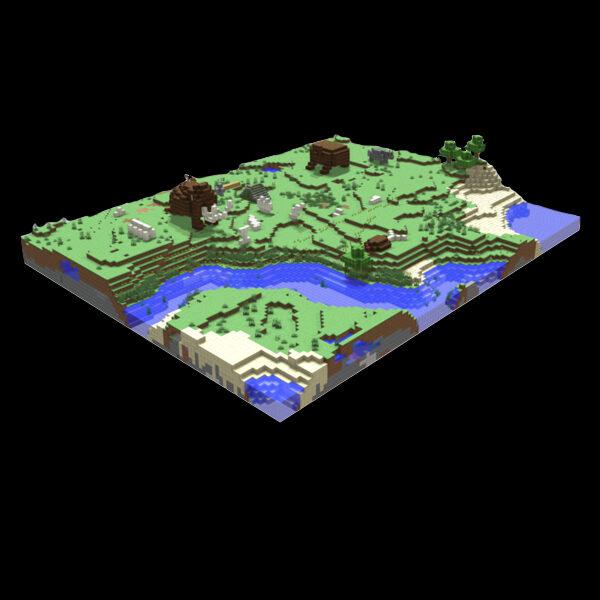
Inspired by this incredible discovery, local students at Churchward School used evidence from the dig to accurately recreate Swindon’s Ice Age landscape in Minecraft.
You can now explore the virtual worlds they created, and the evidence they used, to discover Ice Age Britain for yourself.

Highlights
Handaxe
Approximately 200,000 years old
Minecraft World
Palaeolithic landscape
A mammoth emerges
An in-situ mammoth ulna
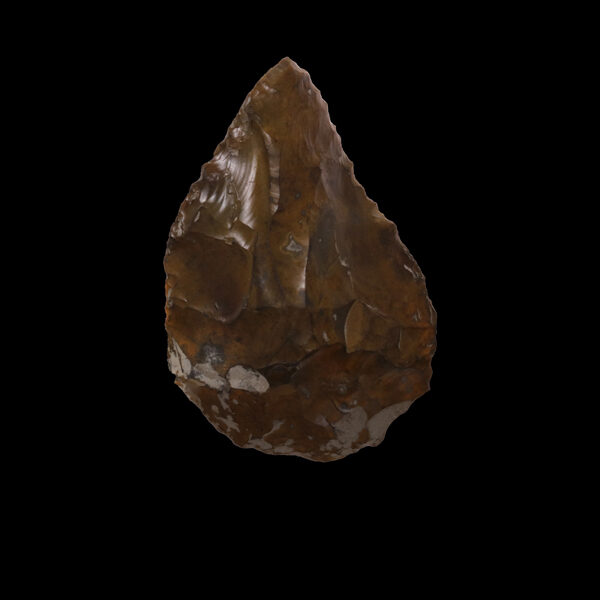
Handaxe Approximately 200,000 years old
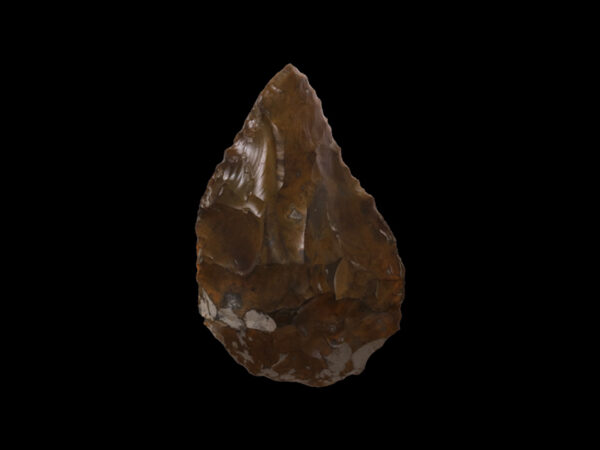
A Palaeolithic handaxe likely made by a Neanderthal. This particular stone tool technology is called Acheulean, which typically dates to around 550,000-300,000 years ago in Britain. The discovery of this handaxe at a 200,000 year old site has archaeologists wondering where this very traditional tool came from. Could it be the result of a long-standing residual Neanderthal group still living in the area using old technology?
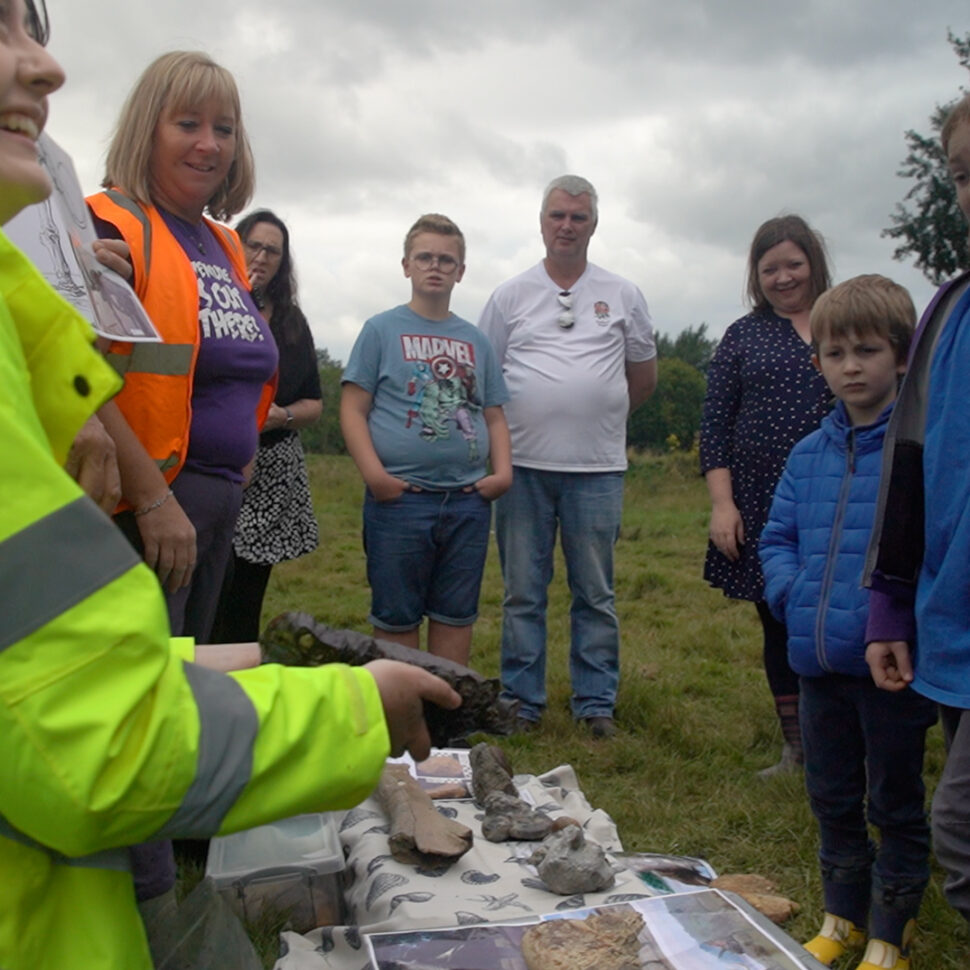
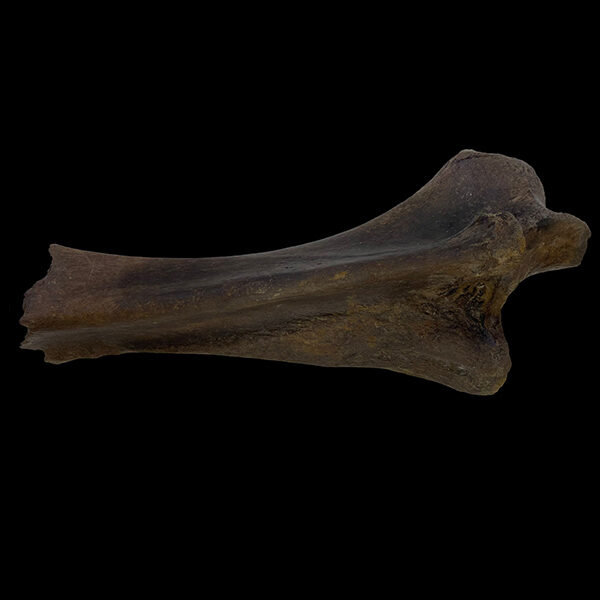
A mammoth emerges An in-situ mammoth ulna
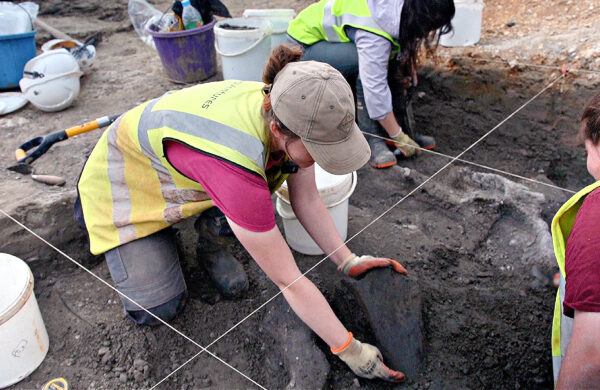
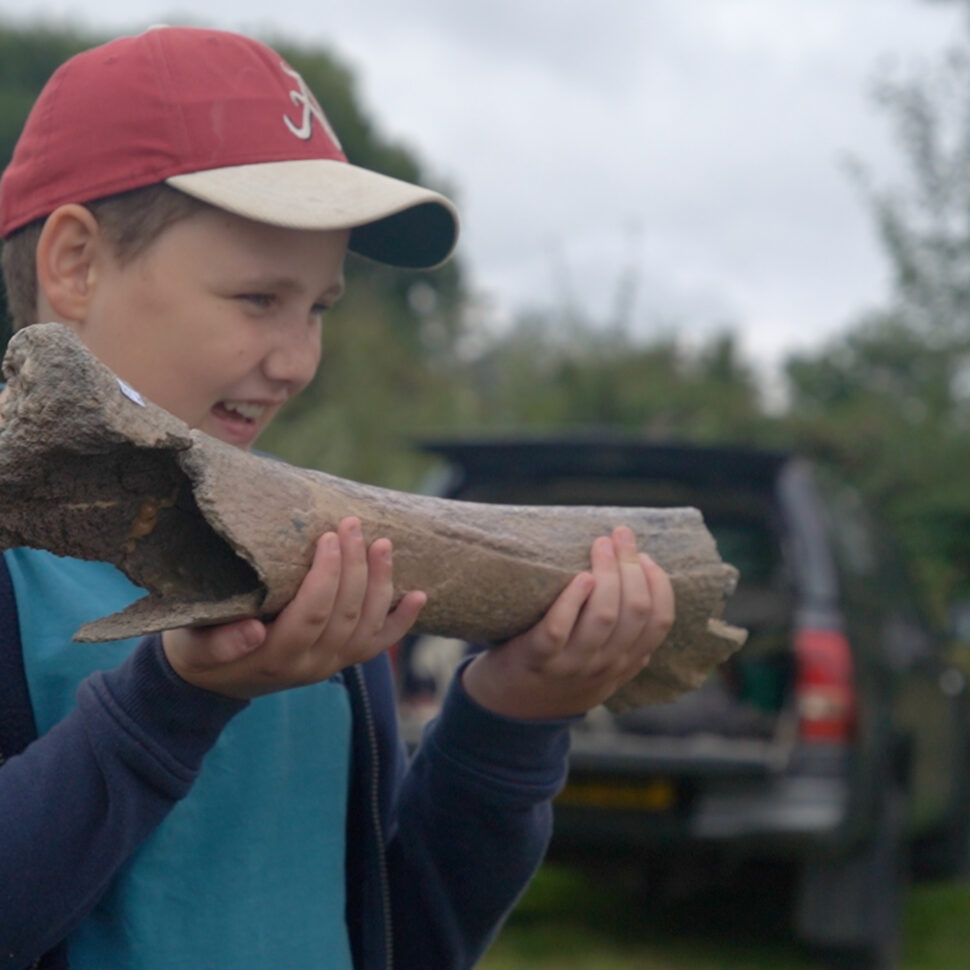
Within one of our grids on the bank of the palaeochannel, we uncovered a disarticulated mammoth ulna. This fragmentary right ulna weighs over 5kg, and would have belonged to an adult mammoth measuring approximately 4m tall at the shoulder. Preliminary analysis suggests this find may show evidence of butchery or animal gnawing, providing vital clues to understanding how mammoths and Neanderthals interacted in this landscape. However, further research is needed to confirm these findings.
Start exploring
Behind the exhibition
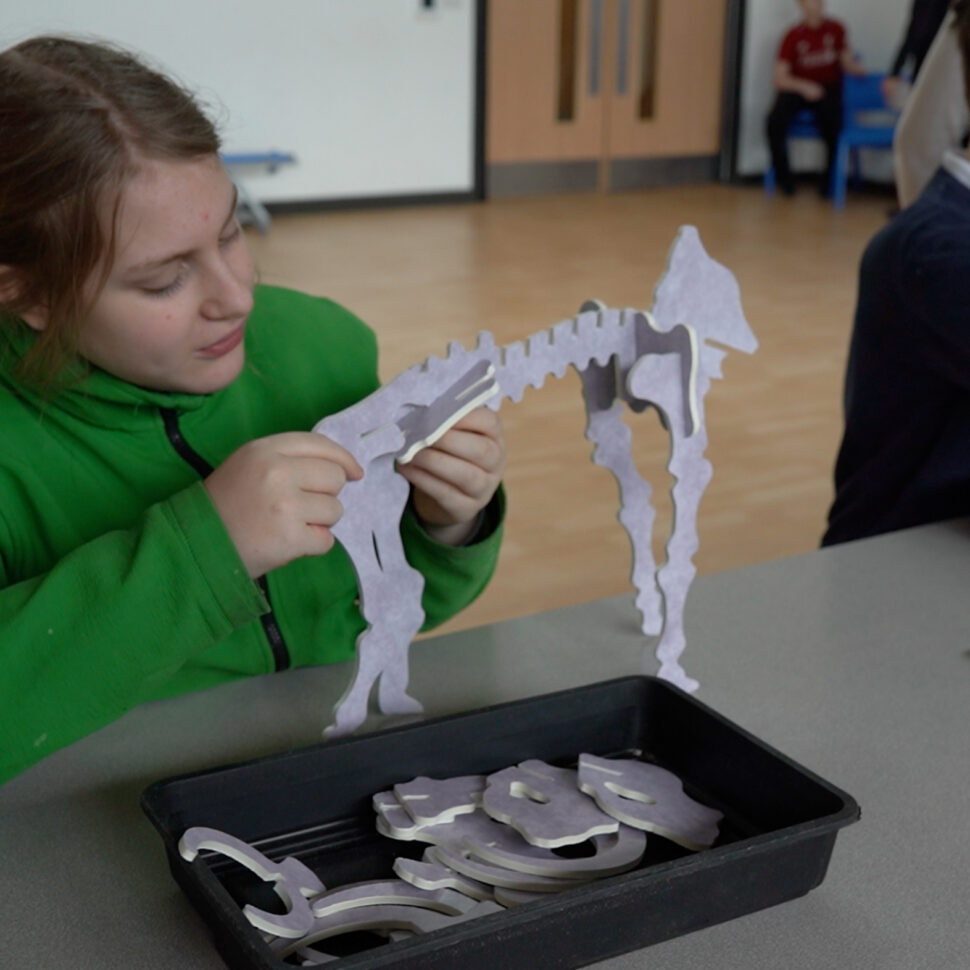
To create this exhibition, young people aged 11-19 attending Churchward School in Swindon used the archaeological evidence to learn more about the local landscape from a palaeolithic perspective.
First, they explored what the evidence could reveal about the climate, environment and inhabitants which shaped the landscape over 200,000 years ago, and how the fluctuating climate impacted the lives of those living off it.
Together, the students then took the archaeological data and reimagined how the area surrounding Swindon would have looked in the palaeolithic – and brought it to life in Minecraft.
Having learned all about how the changing global temperature impacted the plants and animals during the Ice Ages, the students then turned their focus to present day climate change. They learned about how our current climate crises can affect their future, and how they can make small changes with big impacts.