Artefacts
Highlights from our palaeolithic excavation
Over the course of two seasons in 2019 and 2021, the excavation team uncovered the remains of a minimum of five mammoths. Two adults (aged over 18 at death), two juveniles (aged under 18 at death) and one possible neonate. Fragmentary remains of a steppe bison and one brown bear were also found.
While the fossil record documenting these well-known Ice Age animals is fairly complete, it is extremely rare to find any evidence of Neanderthals in Britain, especially in association with mammoth remains.
It is for this reason why this site is so significant.
The initial recovery of the palaeolithic handaxe, which sparked the excavation, and the subsequent discovery of small, worked flint tools situated in an ancient riverbed only centimetres away from the mammoth fossils, have started to unlock the mystery wrapped around this point of time in human history in Britain.
Below, you’ll find a collection of finds – from the smallest and most delicate, to the biggest and most robust – all of which give insight into the lives of those who inhabited the palaeolithic landscape around Swindon over 200,000 years ago.
Mammoth leg bone
Left femur
Mammoth bone
Right ulna
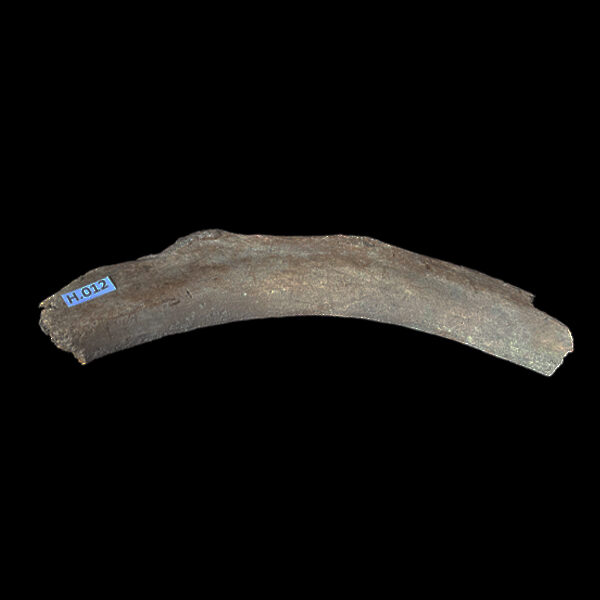
Mammoth rib
Fragment of adult mammoth rib
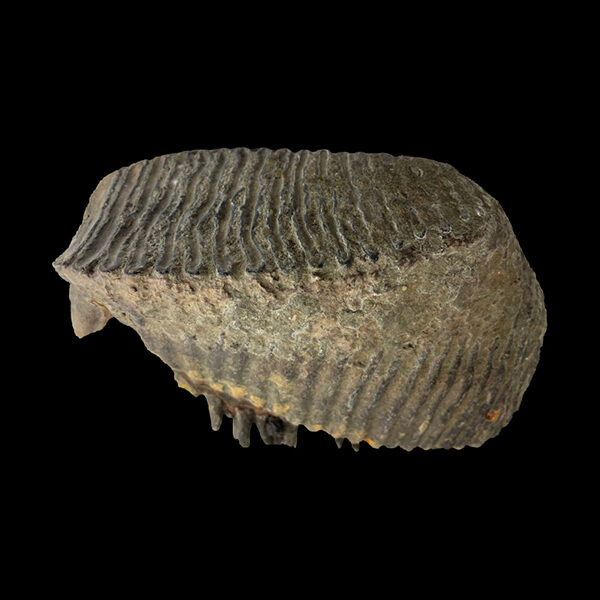
Mammoth tooth
Adult mammoth tooth
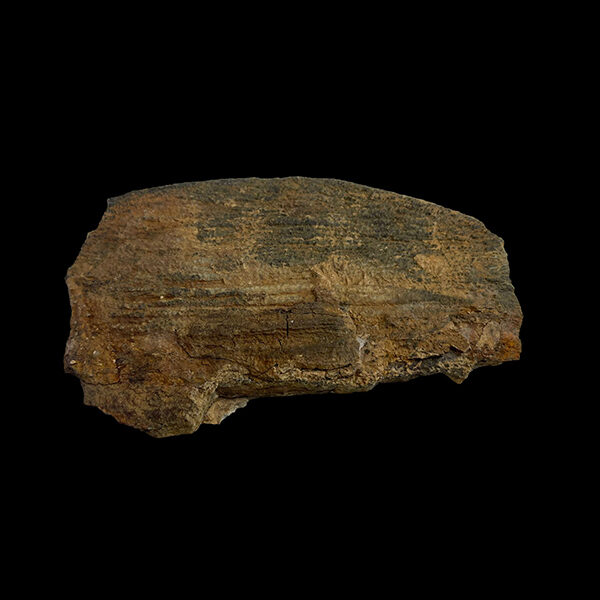
Mammoth tooth
Single lamella-tooth plate
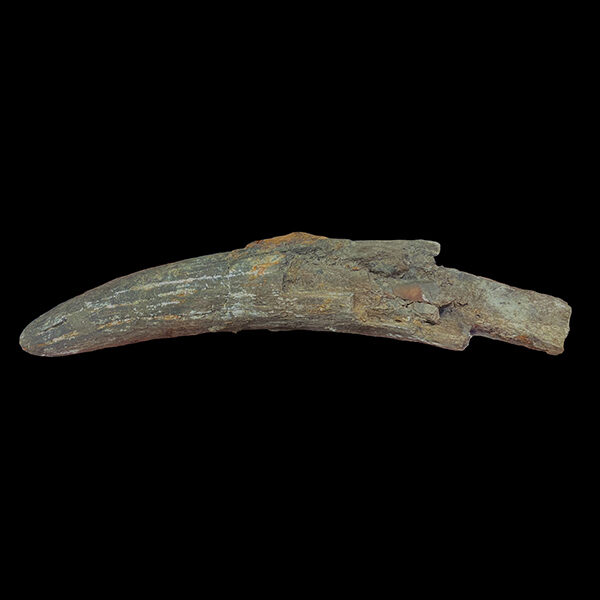
Mammoth tusk
Tip of juvenille mammoth tusk
Handaxe
Approximately 200,000 years old
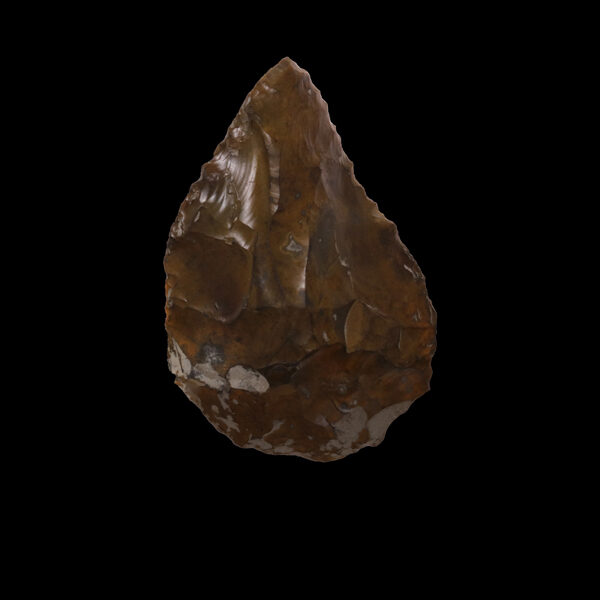
Handaxe
Lower Palaeolithic handaxe
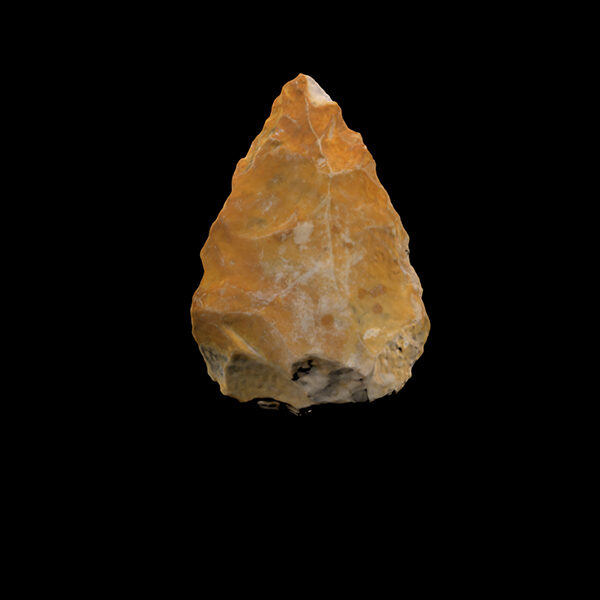
Worked flint
Scraper
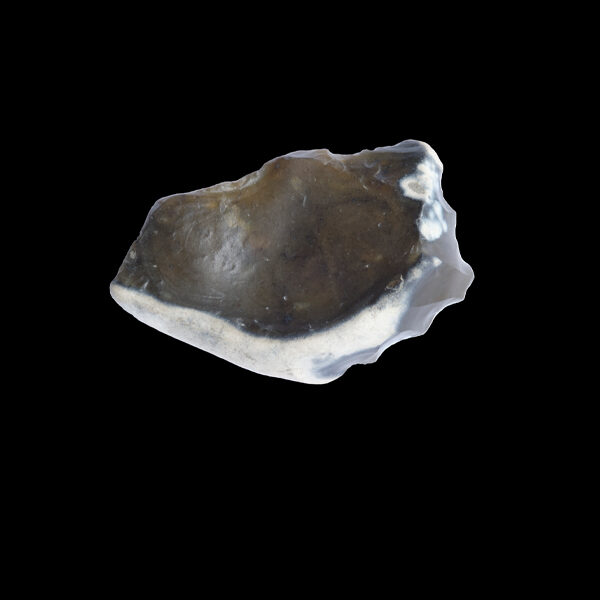
Mammoth leg bone Left femur
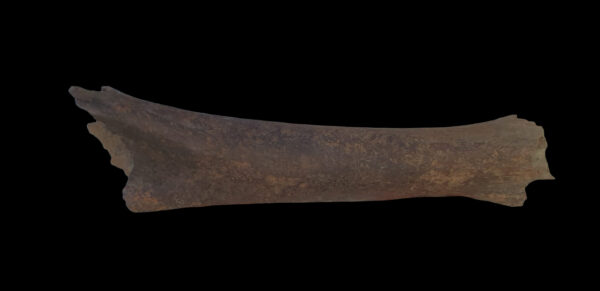
This fragment of a mammoth’s left femur measures over 60 cm long and weighs over 8kg.
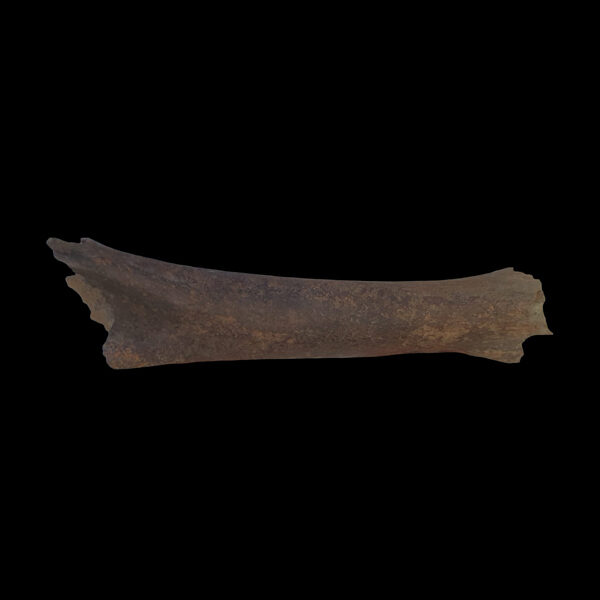
Mammoth bone Right ulna
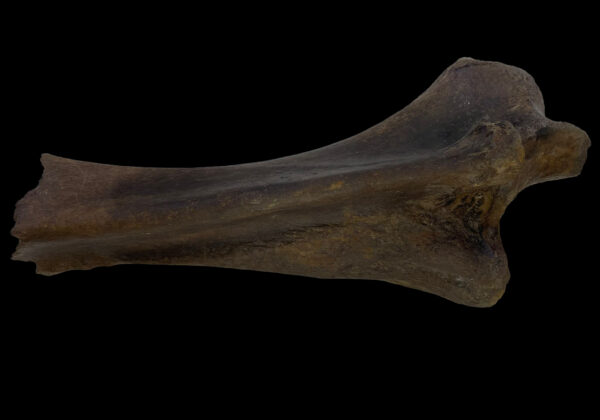
Weighing over 5kg, this right ulna would have belonged to an adult mammoth measuring approximately 4m tall at the shoulder. Found in 2021, preliminary analysis suggests this find may show evidence of butchery or animal gnawing, providing vital clues to understanding how mammoths and Neanderthals interacted in this landscape. However, further research is needed to confirm these findings.
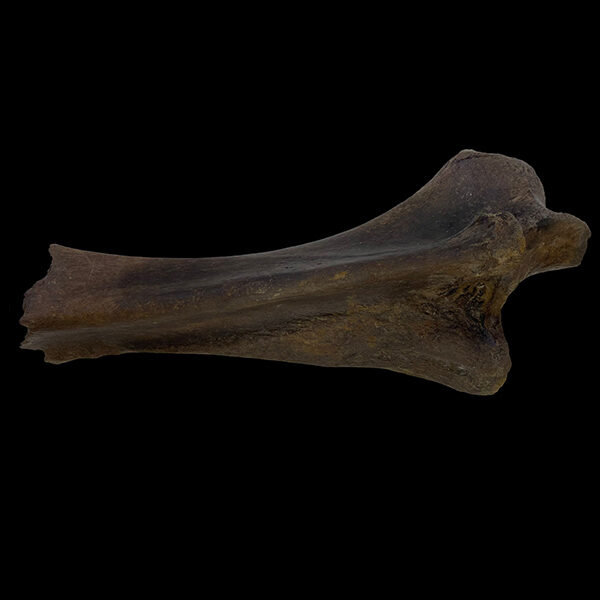
Mammoth rib Fragment of adult mammoth rib

This rib fragment comes from the collection of Sally and Nev Hollingworth, found in 2017. Intitally, there was a hypothesis that this fragment showed evidence of possible cut marks and butchery from stone tools. Further analysis determined that the scratches on the bone surface were more likely caused by post-depositional activities, and not the result of Neanderthal-mammoth interaction.
Mammoth tooth Adult mammoth tooth
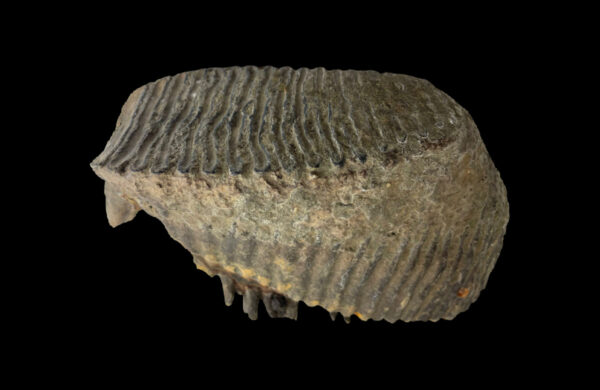
A mammoth’s tooth can easily be bigger than a human head! Beyond their impressive size, mammoth teeth are a great way to learn more about these Ice Age giants: mammoths grew up to six sets of teeth during their lifetime. As the plates wore down due to their herbivorous diet, they would be replaced by a new set. By analysing the size, shape, and number of tooth plates, we can tell which species of mammoth it belonged to, and even how old the individual was when it died. This tooth belonged to an adult mammoth. This image shows the grinding surface at the top, with the root of the tooth at the bottom of the image.
Mammoth tooth Single lamella-tooth plate
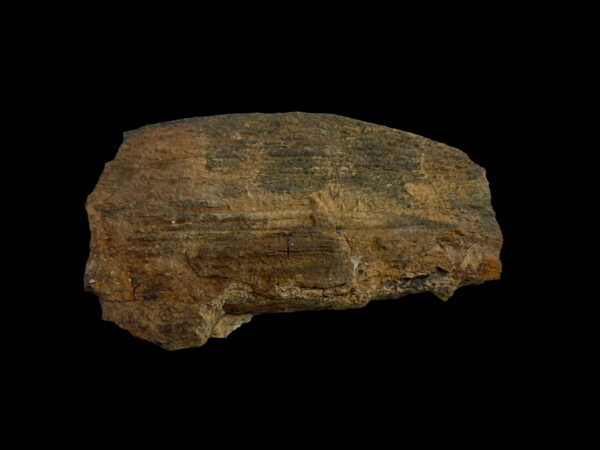
Mammoth teeth are made from several amalgamated vertical plates, creating a broad, ridged grinding surface which is excellent for crushing plants. This is a single plate from a juvenile mammoth tooth.
Mammoth tusk Tip of juvenille mammoth tusk
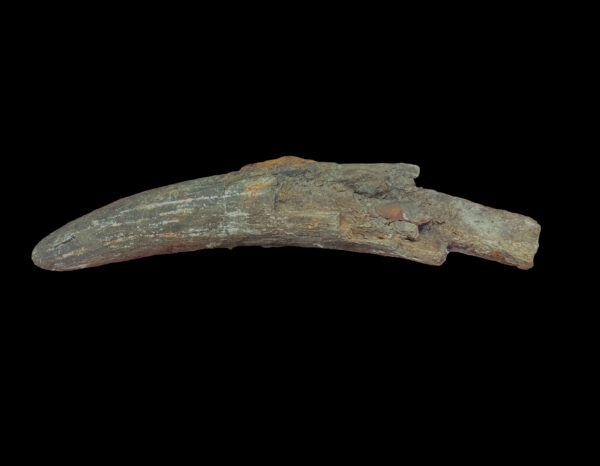
Mammoth ivory was a useful material for ancient people who used it for making everything from pendants to musical instruments, but it’s also a useful material for archaeologists too: tusks can be used to estimate the age of a mammoth, just like you can count the rings of a tree. Both male and female Steppe mammoths had tusks: males’ were slightly thicker with a more spiral shape, while females were thinner with only a slight curve. This fragment of mammoth tusk, measuring approximately 20cm long, has been identified as belonging to a juvenile.
Handaxe Approximately 200,000 years old
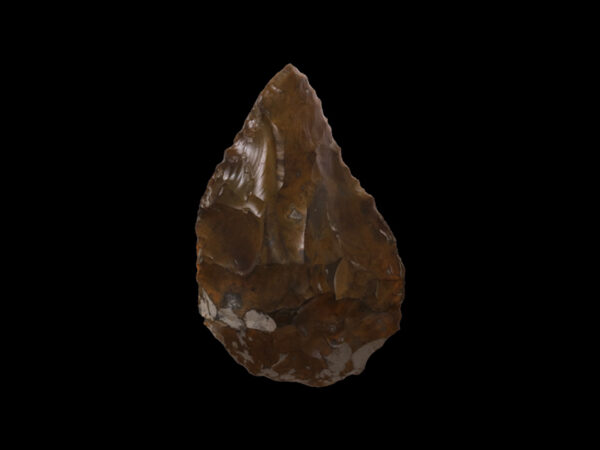
A Palaeolithic handaxe likely made by a Neanderthal. This particular stone tool technology is called Acheulean, which typically dates to around 550,000-300,000 years ago in Britain. The discovery of this handaxe at a 200,000 year old site has archaeologists wondering where this very traditional tool came from. Could it be the result of a long-standing residual Neanderthal group still living in the area using old technology?
Worked flint Scraper
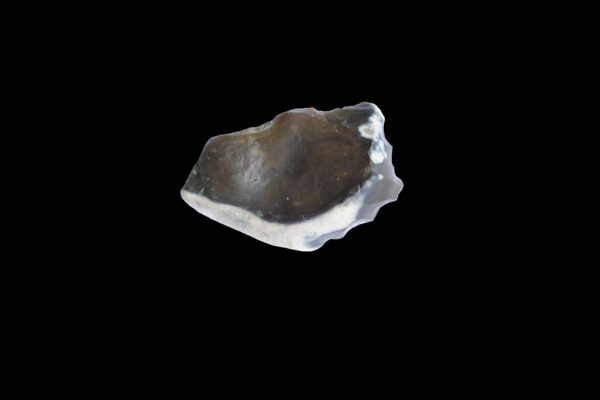
It’s big brother, the handaxe, might be more visually impressive, but this humble flint scraping tool that fits perfectly between a thumb and a forefinger is even more evidence that there was human activity at the site. Measuring approximately 4cm long by 3cm wide, a small tool like this would probably have been used for scraping hides which could then be used for clothing or shelter. This one would have been made by Neanderthals in the Early Middle Palaeolithic period, and lends weight to the idea that the tools weren’t here by chance – this was a place that Neanderthals came regularly.
From the archaeological excavation to the archive
Follow the journey of our mammoth tusk - from the moment of discovery on site to its permanent home in the archive.
Step One: The Discovery
Our excavation area was located in a disused gravel quarry, which had become flooded after gravel extraction had ceased. Once the quarry was drained, faunal remains sitting on the surface of the ground were easily identified. This tusk was visible early in the excavation but was left in-situ and covered until a fossil-lifting specialist arrived on site.
Step Two: Reveal the Tusk
To help preserve the badly damaged tusk, it was only fully exposed once we were ready to lift it. In preparation for removing the tusk, the team carefully excavated the sediment on the top and sides of the tusk, leaving a plinth of gravely sand underneath.
Step Three: National Treasure
Just before we lifted the tusk, we had a very special visitor. Sir David Attenborough stopped by to have a chat and learn more about our discoveries, as seen in the BBC One documentary Attenborough’s Mammoth Graveyard.
Step Four: Preparing the Tusk
Now that the tusk was fully exposed, it was time to wrap it in a 'field jacket' made from layers of acid-free tissue paper, aluminium foil, Plaster of Paris, and hessian. This jacket creates a hard cast around the tusk, making it possible to lift from the ground and safely transport from site.
Step Five: A Team Effort
Once the field jacket had set, it was time to lift the tusk. It took four people to transfer the tusk to a nearby vehicle.
Step Six: Off to DVHQ
The tusk was then transported to the DigVentures Headquarters in Barnard Castle where it was stored with other finds from the excavation. This would be its new home until conservators arrived to assess and preserve the tusk.
Step Seven: Send in the Conservators
A team of conservators examined the tusk, carefully cleaning, repairing and preserving it for the next and final stage of its journey: the archive.
Continue through the exhibition
There's plenty more to explore...