The Building Blocks
Building MineRhondda: using Minecraft to reconstruct a demolished colliery in 3D
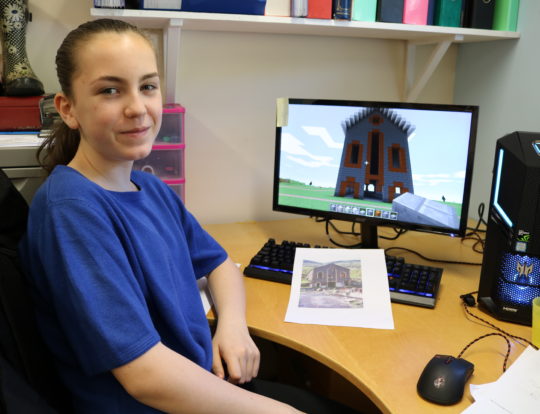
In February 2019, DigVentures teamed up with Cadw to work with the Valleys Kids youth group on the Blaenrhondda project of Unloved Heritage?
One of the main goals of the Blaenrhondda project was to digitally rebuild a demolished colliery and its surrounding landscape in Minecraft, a 3D brick-building video game.
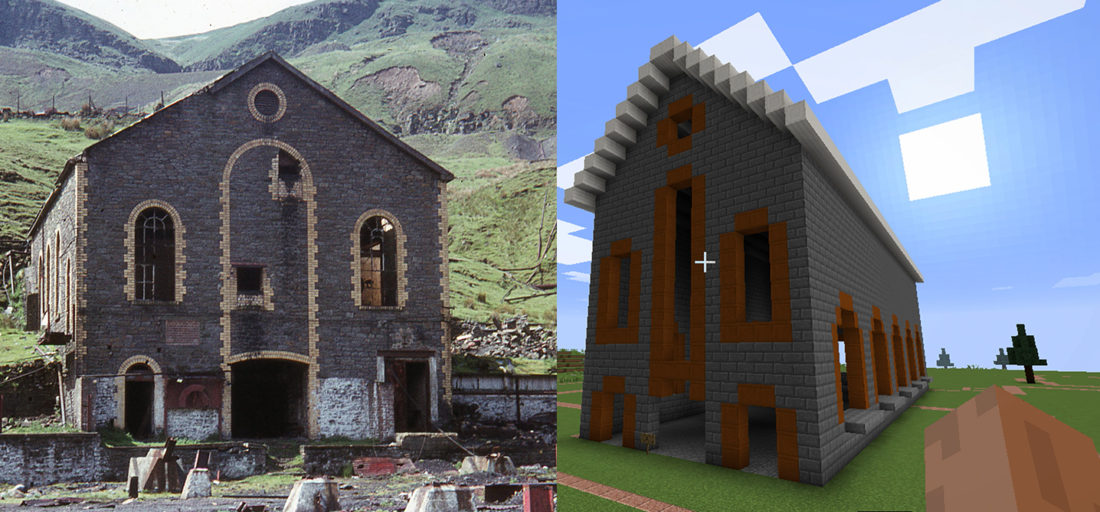
Using Minecraft, the group recreated Fernhill Colliery – a once impressive and long since demolished colliery in the heart of the Rhondda Valley.
They named this 3D reconstruction of Fernhill Colliery MineRhondda.
Brick by Brick
Bringing together traditional archive research methods and the digital gaming platform Minecraft, the youth group worked hard to recreate a 3D version of Fernhill Colliery and the surrounding cottages and landscape.
To find inspiration for their virtual colliery, the group spent time combing through archives, visiting coal mining museums, speaking with former miners and residents of the area and doing hands-on archaeology where the workers of Fernhill Colliery once lived.
Together, they rebuilt an industrial landscape they have never seen in real life.
Working on the winding house.
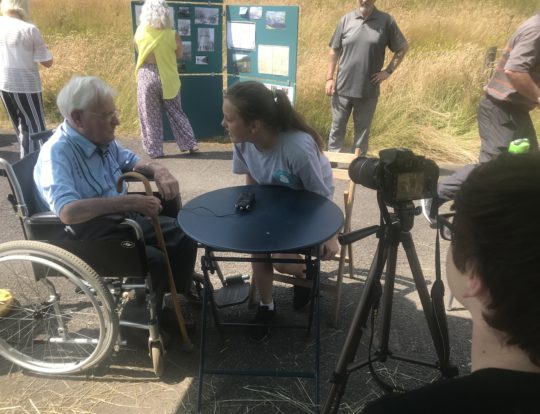
Interviewing former residents of Caroline Street.
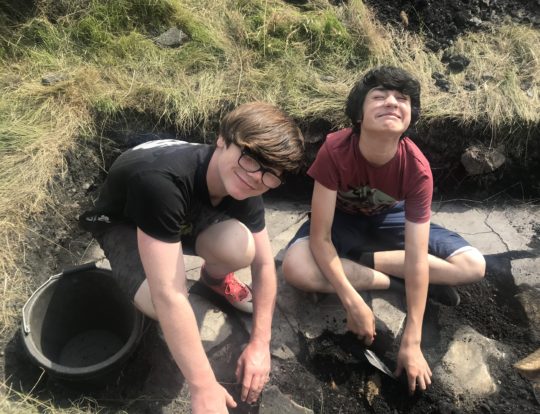
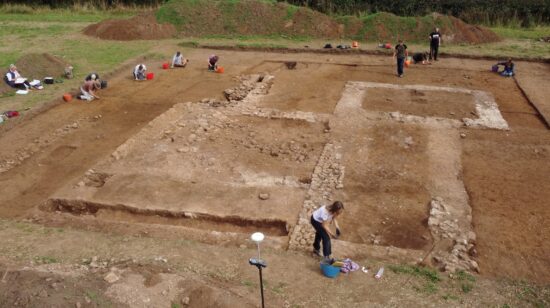
Archaeology of Caroline Street.
Getting Started…
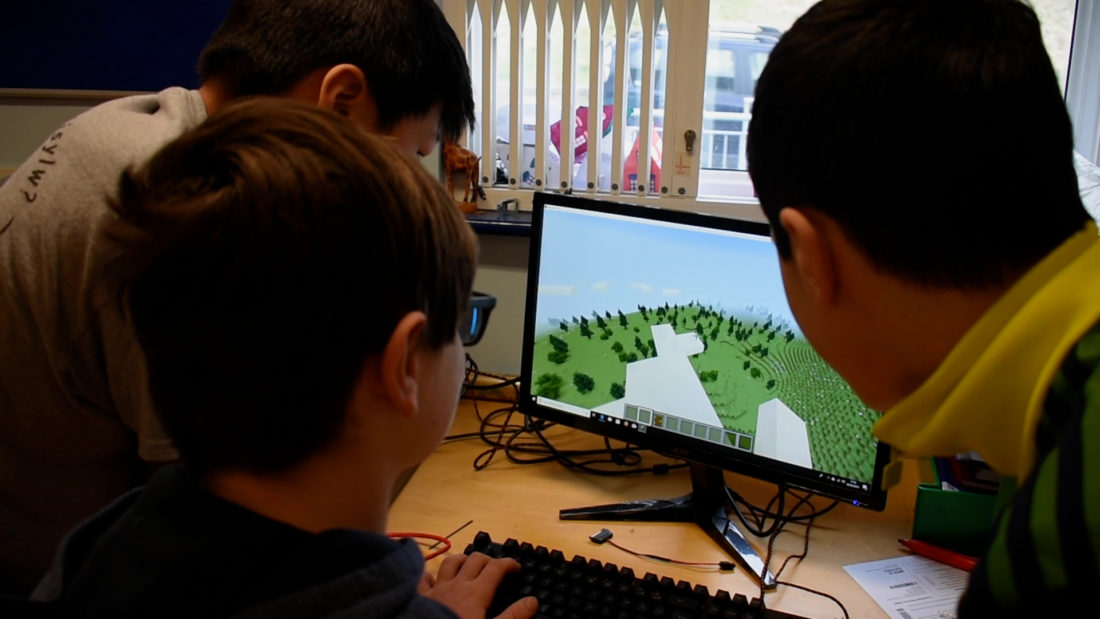
Archaeogaming experts Angus Mol and Aris Politopoulos of the VALUE Foundation provided the group with a vast 3D landscape of the valley, accurately recreated in Minecraft based on archival maps and modern geospatial data.
Using archival maps and local knowledge from the youth group, Angus and Aris plotted the outlines of the colliery buildings, local cottages and underground tunnels on the map, creating the virtual footprints for the group to follow.
From there, the youth group began carefully laying the foundation blocks to virtually rebuild the demolished colliery.
The Build Continues…
Over time, the colliery began to take shape. Soon, MineRhondda was full of colliery buildings, roads, mining equipment and railway tracks. To accurately reflect the details of these structures in Minecraft, the group referenced the 3D models of the machinery and buildings they had created when visiting local mining museums.
As the work continued on the surface of MineRhondda, work also began underground.
Using archive maps of the colliery’s coal seams as a reference, the group began recreating the underground tunnels which snaked their way through the landscape. With the help of virtual TNT, the kids carved out an underground labyrinth which closely followed the layout of the tunnels used by Fernhill Colliery
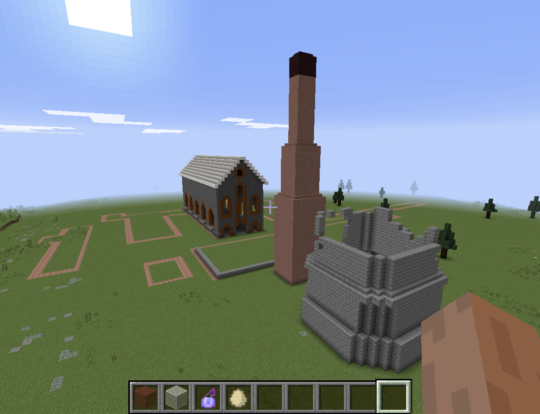
Colliery buildings
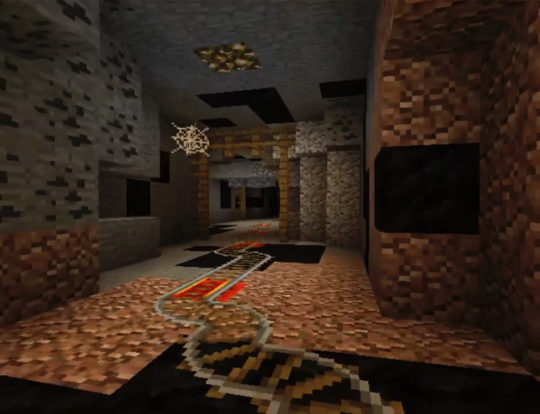
Underground tunnels
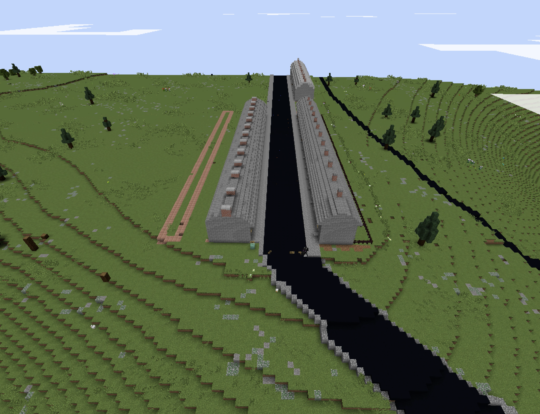
Caroline Street
Finishing Touches
With the underground tunnels complete and perfected with pit ponies and canaries, it was time to really bring everyday life in MineRhondda alive.
As part of their research, the group spoke to former residents who lived in the cottages near Fernhill Colliery. Based on the stories they heard, and trips to local museums where they learned about life for a coal miner’s family, the group began to decorate the interiors of the cottages, construct football pitches and include details about the families who once lived in the cottages.
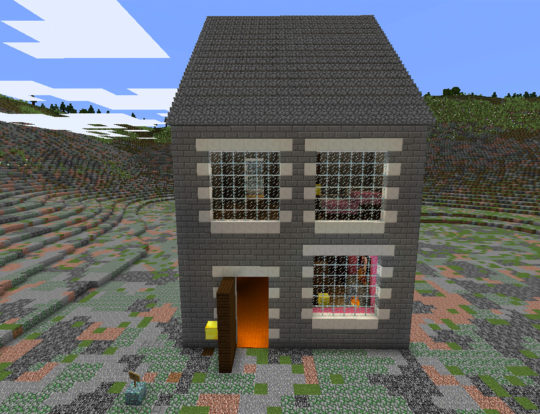
Exterior of the 'Big House'
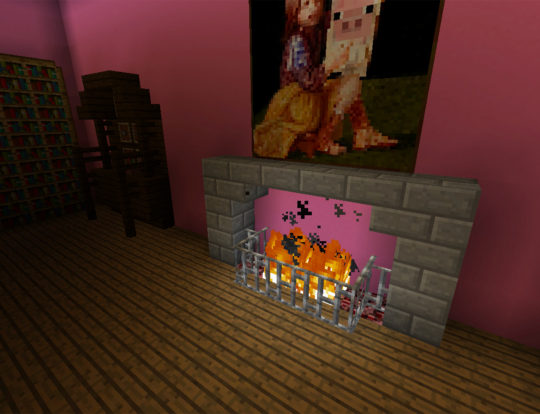
Decorated front room of the 'Big House'