MineRhondda
The MineRhondda Heritage Trail
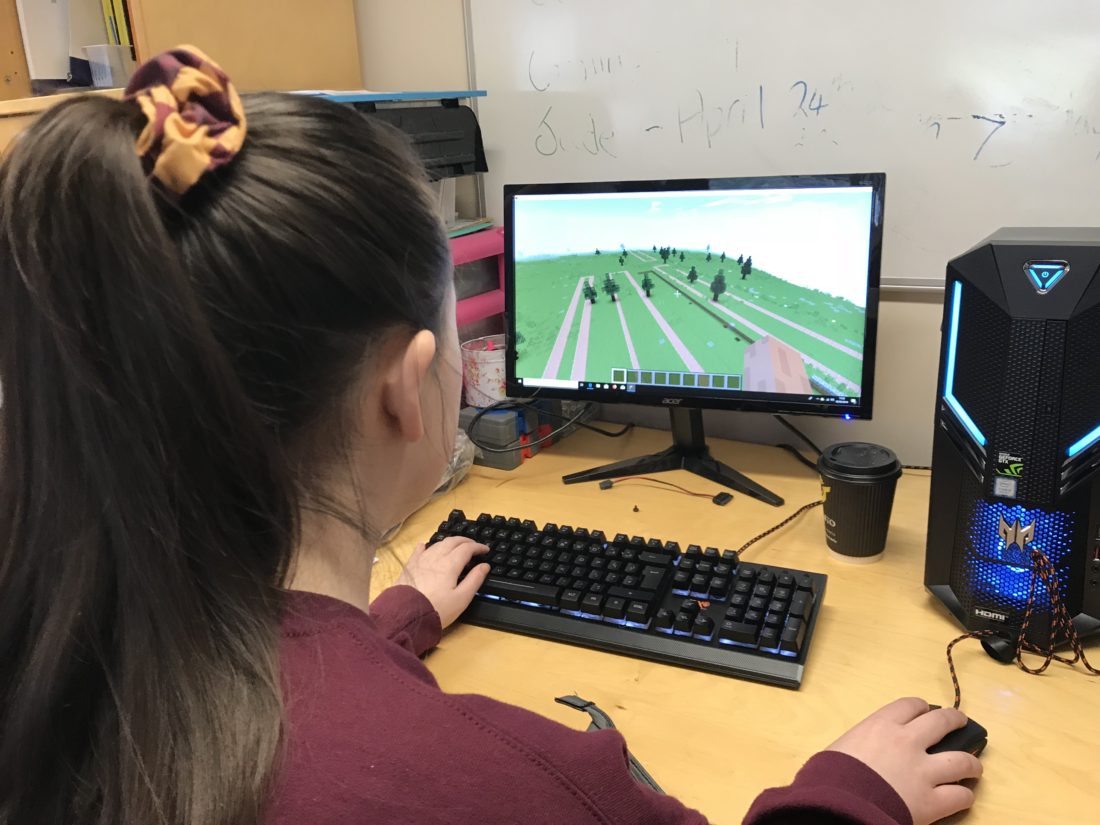
The MineRhondda Heritage Trail was created to allow you to explore the virtual world of MineRhondda. Built brick by brick, MineRhondda is a 3D reconstruction of Fernhill Colliery, a demolished coal mine in the Rhondda Valley. The Valleys Kids youth group, together with Cadw and DigVentures, used Minecraft to bring a long forgotten industrial landscape to the forefront of peoples memories and imaginations.
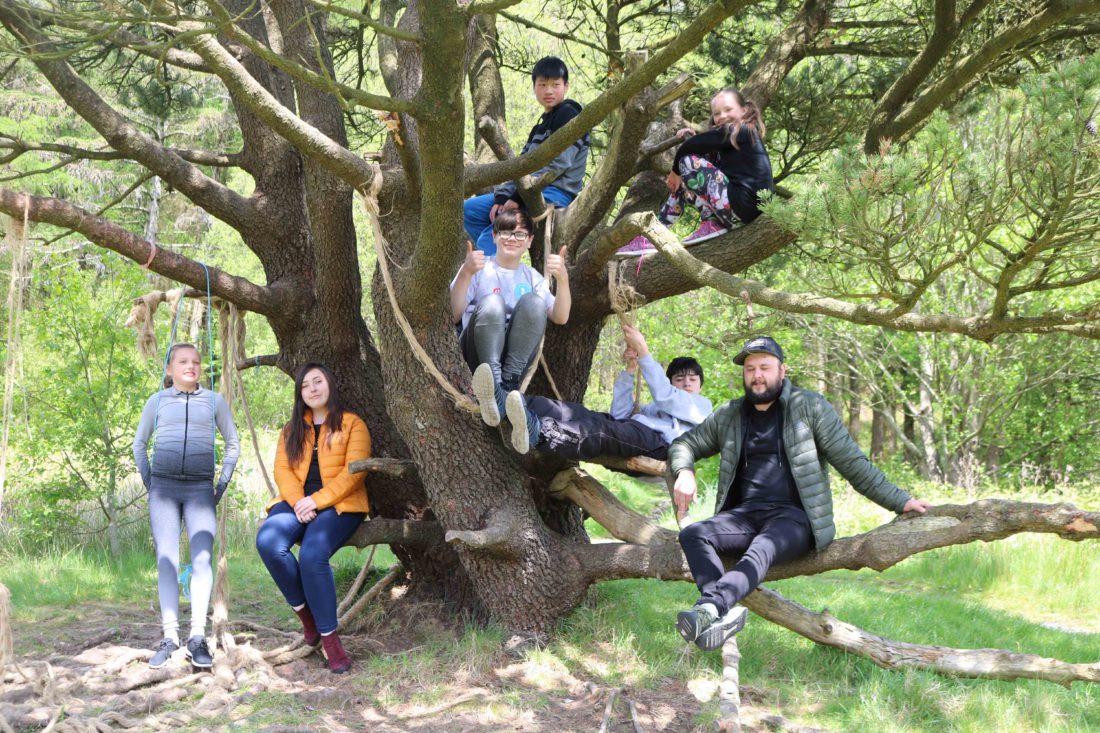
Created as part of the Unloved Heritage? project, MineRhondda allows you to experience what Fernhill Colliery once looked like, and take a peek inside the colliery buildings, underground tunnels and homes that once dominated the Rhondda Valley landscape.
Based on knowledge gained from archival photos, old maps, visits to local museums and interviews with former coal miners, the youth group did a brilliant job recreating the colliery and its landscape. With no detail too small, MineRhondda is an impressive project that should be thoroughly explored.
You can experience MineRhondda at the tip of your fingers in several ways. You can watch a video about the trail, explore the 3D models of the MineRhondda buildings, or even download the MineRhondda world to your own version of Minecraft and walk the Heritage Trail yourself!
Watch the Heritage Trail video!
Caroline Street
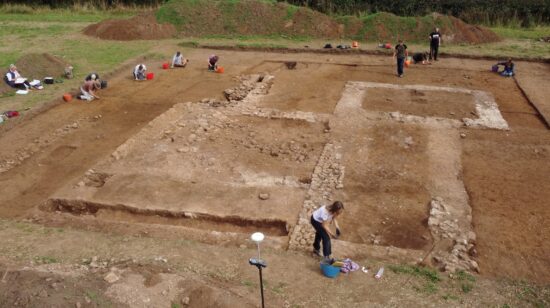
This model shows the full length of Caroline Street. These houses were built in the 1880s for the mineworkers and their families. Nothing remains of them today, but the youth group was able to learn more about these houses by doing an archaeological excavation in the area where they once stood, and by speaking to former residents.
Underground Tunnels
These are the underground tunnels used by the collieries in the valley. The locations of these tunnels in MineRhondda were plotted using archival coal seam maps of the area so that they closely followed the original layout.
Wanting to make the tunnels as accurate as possible, the group included pit ponies and parrots (the closest thing to canaries they could find in Minecraft).
Football Pitches
This is one of two known football pitches located in the valley. By speaking with former residents, the youth group learned that the two pitches each had their own team and would often play against each other.
The Stables
These are the stables where the ponies would have lived.
The Big House
The group built a bigger version of the houses on Caroline Street and called it ‘The Big House’. The Big House is approximately four times larger than the cottages on Caroline Street. They did this so they could recreate the layout and furnishings of the cottages. The youth group learned about life for a coal miner’s family by visiting local museums and seeing the everyday items that would have filled their homes. If you take a peek through the front window, you can see the lovely wallpaper, furniture and fireplace.
Blaenrhondda Colliery
These buildings are where the colliery machinery would have been housed. Much of what you see in this model is based off of a photograph from the 1970s.
And the height of that chimney is accurate! It really was that tall.
Old Quarry
This is the site of an old quarry, abandoned before 1919. It’s believed that the stone from this quarry was used to build the houses on Caroline Street.
Fernhill Colliery
Fernhill Colliery was sunk by Ebenizer Lewis around 1870. Over the years, Fernhill Colliery continued to expand, adding several new pits and further extending shafts. This is a model of pits 1 and 2 based on archive images and maps from the mid 20th century.
Fernhill Cottages
These are the Fernhill Cottages. They sit on the other side of the valley, opposite Caroline Street.
The Bridge
The bridge you see in this model can still be seen today at the base of the valley. The bridge leads to Caroline Street and is the main access point to the cottages and collieries.
Download MineRhondda for Minecraft
You can fully immerse yourself by adding the MineRhondda map to your own Minecraft.
Before you get going, you will need to download the map here. (Please note, clicking this link will take you off this page.)
The zip file is 2.07 GB, so it may take some time to fully download.
There’s a few steps involved with installing the map, so we’ve included a ‘How To’ guide alongside the zip file that should help you along the way.
Happy exploring!