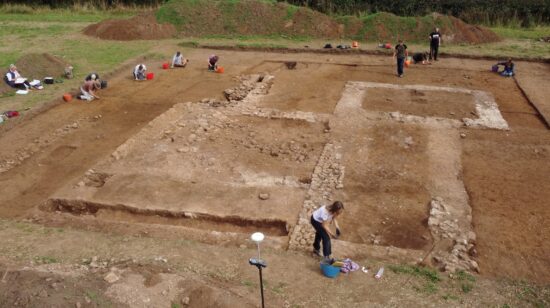
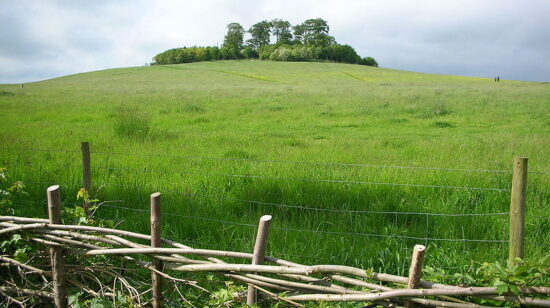
Introduction To Archaeological Finds: From Dig To Museum
An all-in-one introduction to archaeological finds and how to care for and study them.
How to join
You can access this course and others in our subscriber series for as little as £5 per month with a DigVentures Subscription. In addition you get priority booking at events and a range of subscriber-only training opportunities to build on what you learn online.
Already enrolled?
Log in to your DigVentures Account to unlock this course
Need some help?
For additional help accessing your DigVentures account please consult our Frequently Asked Questions
Learn how archaeological finds are excavated, identified, and cared for - with practical exercises you can try at home.

Archaeological finds are fascinating, but if you want to learn more about them, it can be hard to know where to begin. What do archaeologists do with all the things they find? How are artefacts identified? How can you tell how old they are? What’s with all the funny labels? And which ones end up in museums?
In this all-in-one introduction to archaeological finds, you’ll learn what happens to artefacts, how they’re studied, and what’s needed for taking care of them – from the moment of their discovery on an excavation, to their final resting place in an archive or museum.
Featuring practical and try-at-home activities, along with quizzes, examples and case studies from our own archaeological collections, you’ll gain access to a world of study that often takes place behind closed doors – and walk away with practical knowledge that you can apply on a dig, in the Finds Room, or to your own studies.
Key details
🌐 100% online
⌛️Study at your own pace
📖 4 lessons, plus quizzes, case studies, and try-at-home activities
👩🏫 2-3 hours per lesson
💬 Global chat forum with students and mentors
🏆Downloadable certificate
What will you learn?
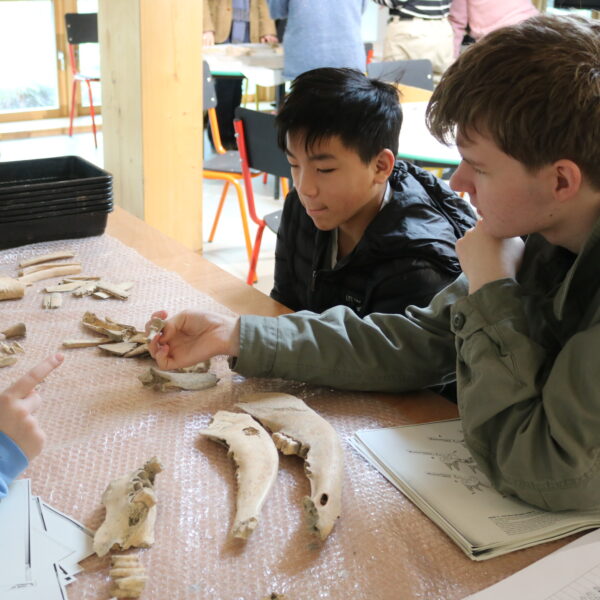
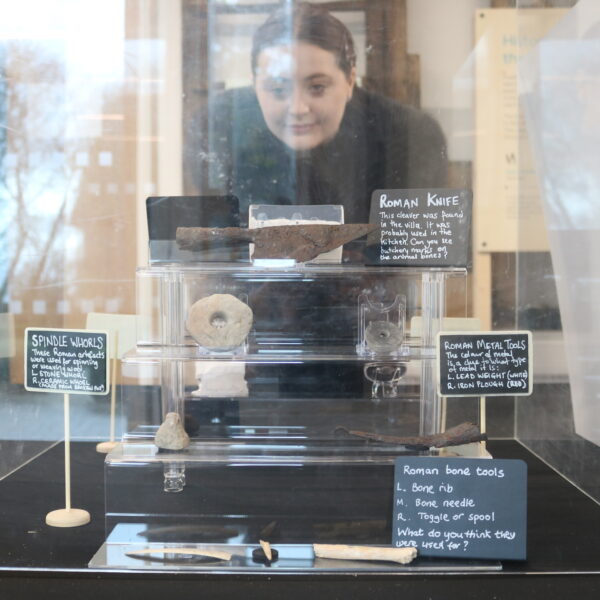
You’ll be guided through the key stages of working with finds, including discovery, excavation, cleaning, handling, sorting, identification, and illustration, all the way through to their eventual deposition in a museum or archive.
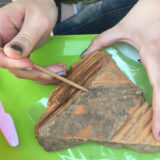
You’ll also learn about the basics of conservation, how to handle different types of artefacts, such as pottery, coins, stone tools, and animal bone, and even some of the different techniques that specialists use to study them.
So whether you’re exploring archaeology for the first time, or building on your existing skills, you’ll walk away with practical knowledge that you can apply – on an excavation, in the Finds Room, or in your own studies.
In this lesson, you’ll learn the real reasons why finds are so important to archaeology, and how to recognise some of the most common finds in the UK.
- Why do finds really matter?
- What are the most common finds in the UK?
- Is it treasure?
- Being responsible
- The life of a find
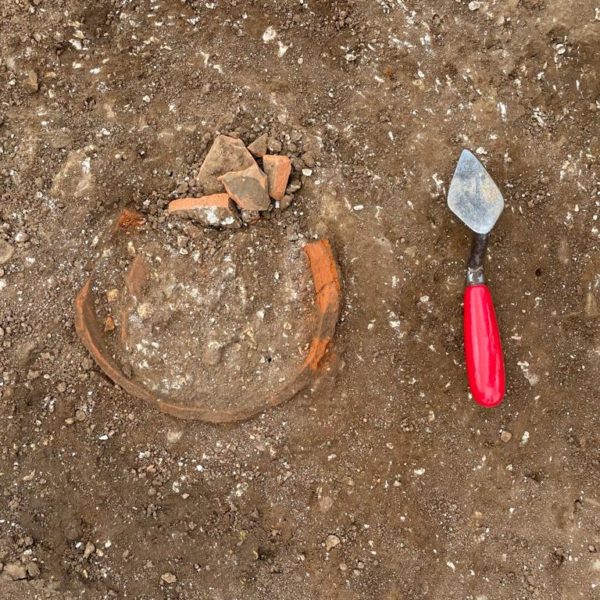
You’re on a dig, and you’ve found something. What should you do? In this lesson, you’ll learn what to do with artefacts in the field, from recognising different categories of finds, when to excavate them, and how to get them safely out of the ground and back to the Finds Room.
- How do archaeologists classify finds?
- Recognising different types of find
- Excavating finds
- Recording finds
- Handling, storing, and transporting finds
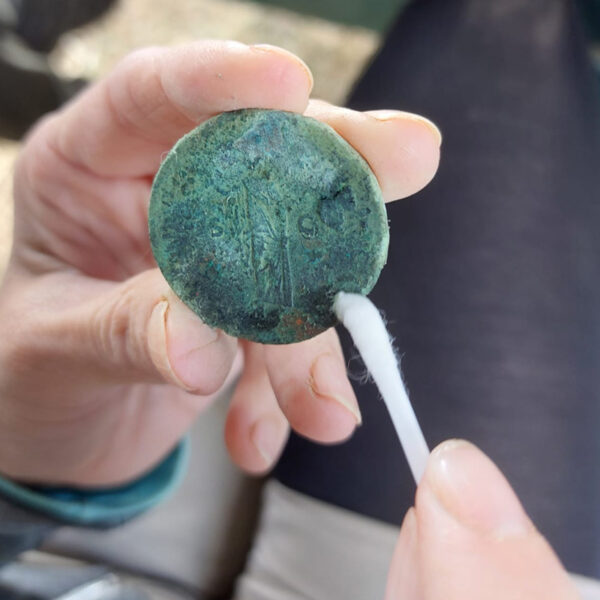
So what exactly have you found? In this lesson, you’ll take a closer look at your finds, learning how to clean them to reveal hidden details, to figuring out the basics of how old they might be and what they can tell us.
- Cleaning finds
- Examining finds
- Identifying finds
- Photographing finds
- Illustrating finds
As Indiana Jones once said ‘it belongs in a museum!’. Or does it? In this lesson, you’ll learn how specialists study and care for artefacts, which objects end up in museums, what happens to all the ones that don’t, and how you can begin to understand artefacts on a deeper level for yourself.
- A-Z of Finds Specialisms
- What can specialists tell us?
- Should it go to a museum?
- The afterlife of a find

Who is this online course for?
This course is for anyone who wants to learn more about archaeological finds, whether that’s for personal, professional, or academic reasons. Our teaching material is based on best practice standards in the UK – but that doesn’t stop it from being enjoyable too!
Requirements and materials
No prior knowledge is required. A notebook, pencils, and a smartphone or camera will come in useful if you want to try some of the practical exercises.
How do I join the course?
You can join this course in two ways:
- Subscribe for unlimited access to all of our online courses (£5 per month)
- Make a one-off payment to access this course for six weeks from the start date (£45)
Ready to join this course?
What do students say about our courses?




Start this course
How to join
You can access this course and others in our subscriber series for as little as £5 per month with a DigVentures Subscription. In addition you get priority booking at events and a range of subscriber-only training opportunities to build on what you learn online.
Already enrolled?
Log in to your DigVentures Account to unlock this course
Need some help?
For additional help accessing your DigVentures account please consult our Frequently Asked Questions