Articles by:

Sarah Ashbridge

Office monkey by day, forensic archaeologist by night, Sarah Ashbridge is a jack-of-all-trades and the master of one: the forensic identification the War Dead. She trained originally as an Egyptologist, but interests in the history of death and burial saw her make the step into archaeology, completing an MSc in Forensic Archaeology and Crime Scene Investigation at the University of Bradford. Armed with an ever-increasing library of books, a handful of illustration pens and a brand new trowel, Sarah writes our regular #WWWednesday column, working towards her PhD in Forensic Archaeology.

10 Surprising Ways World War One Changed Our Everyday Lives Forever

Sometimes, things become so common in our everyday lives that we forget to question where they came from. When we looked around us, we were surprised by just how many things we found that…

From Playtime to Wartime: How Children Experienced WW1

It’s easy to forget that children all over the world are raised in periods of war. In our series on the archaeology of WW1, we’ve discussed the impact of war on men, women, landscapes…

Death, Disgust and the Dead Man’s Penny

Every archaeologist will know that objects can rarely be taken at face value. Here’s how an object that was intended to bestow honour upon its recipients was for many a source of offence and…

Christmas Cards from WW1

A certain supermarket’s Christmas advert (cough, Sainsbury’s, cough) which depicts the Christmas Truce of 1914 has had us all talking about representations of war, but there’s much more to Christmas on the front line…

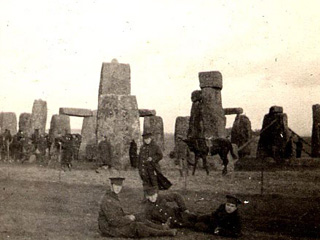
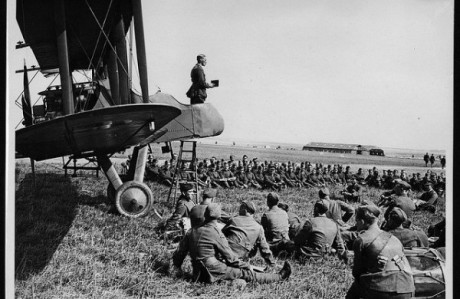
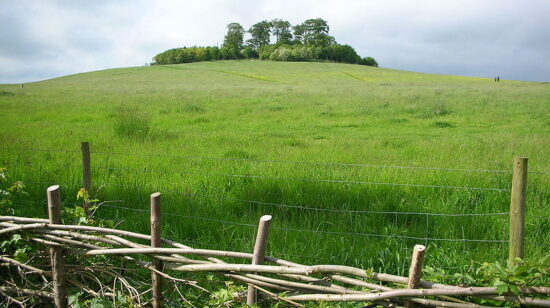
Soldiers at Stonehenge

What on earth does a prehistoric monument have to do with WW1? Well, after digging through some archives, it turns out… quite a lot. Here’s the story of how one of Britain’s most iconic…

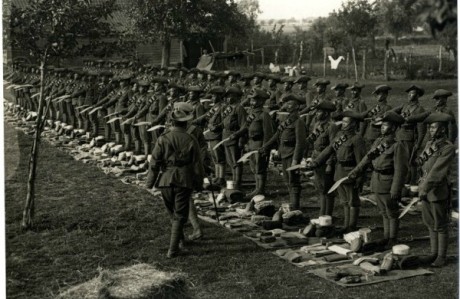
How the Gurkhas Joined the British Army

Gurkhas have been part of the British Army for almost 200 years, with thousands serving during WW1. But who are they and how did they end up fighting for the British? The Gurkhas trace…

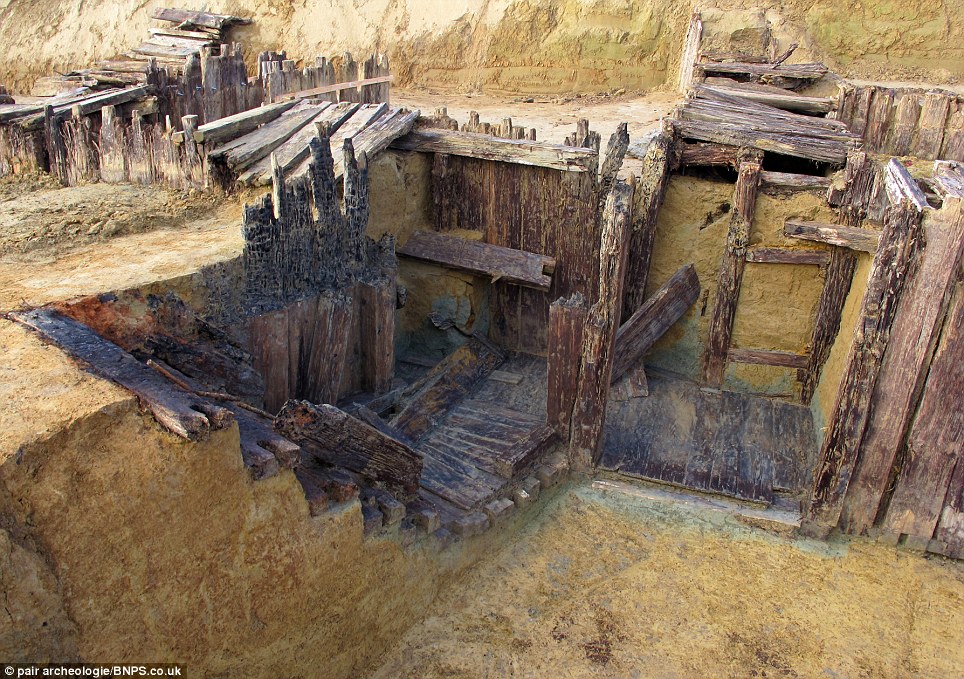
10 Photos that Show Us What We Can Learn By Digging Up the Trenches of WW1

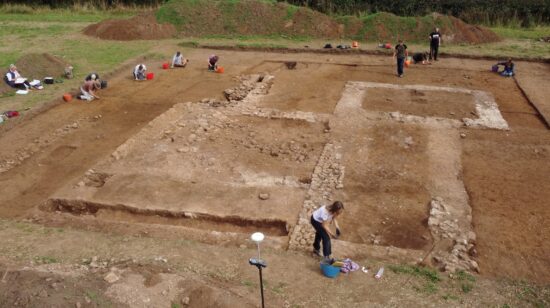
This week, the news broke that archaeologists have re-discovered a system of World War One trenches on the Isle of Sheppey, an island just off the coast of North Kent, that had been totally…

The Inspiring Life of John McIlwaine, Forensic Archaeologist

During the Troubles in Northern Ireland, 17 people were ‘Disappeared’ – abducted, killed and secretly buried. From exposed mountainsides to peat bogs, John McIlwaine was the Forensic Archaeologist who led the painstaking searches for…

Light in Dark Places: The Role of the Padre in WW1

“My job as a padre – as the Army refers to its priests, chaplains and so on – is not to oil the wheels of war, but to help the humanity caught up in…

Get the DigVentures Newsletter

Sign up to discover opportunities to get involved in archaeology - in your area, and beyond!

Easy opt-out at any time - Privacy Policy

Finishing School Gone Wrong! How To Be a Nazi Wife

The Nazi’s oppressive policies against anyone who didn’t fit their Aryan ideal are well known, but to what lengths did they go to uphold these standards within their culture? Women living under the Third…

An archaeologist visits… The Tower of London

The tickets may be over-priced, but there’s something for everyone and, from the traditionally dressed guards to medieval graffiti in the dungeons, a visit to the Tower is like stepping back in time. ★★★★☆…

Recovery? From Flanders to Afghanistan

Recovery? From Flanders to Afghanistan

How far can technology and medicine heal the body and the mind? Can recovery ever truly be achieved? To find out, we head to the Thackray Medical Museum in Leeds where a new exhibition…

The Chemist’s War

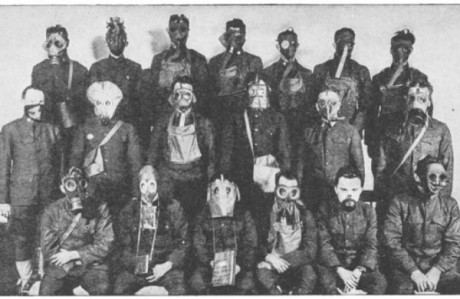
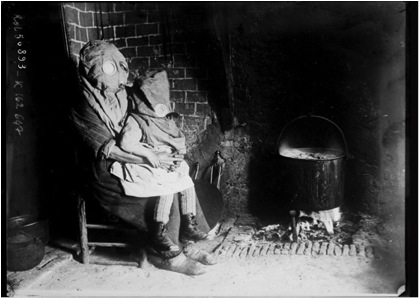
Whether made at home from plastic water bottles or of hi-spec military grade, gas masks are today as symbolic an image of conflict as they were in WW1 when chemicals, used to irritate, immobilise…

House of Terror

House of Terror

Now we all like the good old British Museum, but here at DigVentures, we like to venture a little further afield. So, for this week’s #MuseumMonday, we visited the Terror Haza (House of Terror)…

Tunnel Warfare: World War One’s Secret Underground Landscape

  The turfed up landscapes, harrowing scenes of battle, fortified strongholds, mines and barbed wire are well known features of World War One. But the extent of war digs deeper than that…. much deeper!…

BARB-ARIC! A Brief History of Barbed Wire

Few things are more emblematic of WW1 and the barbarism of modern warfare than the black and white images of soldiers crowded into narrow trenches, overlooked by a fence of barbed wire. By 1918…

The Other Side of the Medal: How the Germans Saw World War One

The Other Side of the Medal: How the Germans Saw World War One

For our first #MuseumMonday, we made a trip to the iconic British Museum to see ‘The Other Side of the Medal: How the Germans Saw World War One’ – an exhibition of German commemorative…

Lost Art of WW1

Forgotten artworks of World War One are stark reminders of a generation of the men whose creativity flourished in the face of new forms of brutality. The events of 1914 saw a dramatic change in the…

Recently added video

Explore more from...

Archaeology / In Your Hands
  • Heritage Lottery Fund
  • CIfA

See all the archaeology digs, talks, festivals and other events coming up at DigVentures

Learn more about digging up the past and have fun while you're doing it!

We're connecting people who love archaeology, with opportunities to do archaeology.

Archaeology experiences and other perfect presents for people who love the past.