Quiz: Could you be a Roman archaeologist?

Ahead of our return to East Yorkshire for our 9th season of digging the Romans this September, why not test your knowledge of Roman Britain?

Religious & Ritual Practices

Q: The Romans sometimes left offerings in wells or pits as part of their religious rituals. What’s this practice called?

A
B
C
D
Sacrificium
Sorry, try again! "Sacrificium" refers to the actual act of making something sacred, usually by offering it to the gods. In Roman times, this often involved killing an animal, pouring wine, or giving food to honour the gods and ask for their favour, following strict ritual rules.
A
B
C
D
Deposito
That's right! The Romans often left offerings called "depositos" in wells, pits or water sources as part of religious rituals. These might include coins, pottery or small objects, believed to please the gods or spirits associated with water. Archaeologists at Roman sites, including those explored by Team DV, have uncovered such ritual deposits - shedding light on ancient beliefs.
A
B
C
D
Votum
Sorry, try again! A "Votum" was a vow or promise made to a god, usually in exchange for help or a favour. For example, someone might promise to build a temple, offer gifts or perform sacrifices if their wish was granted.
A
B
C
D
Conditio
Sorry, try again! "Conditio" means a condition or the terms of an agreement. It could refer to the circumstances required for something to happen, like "on the condition that…" in a legal contract, treaty or even a personal promise.

Q: A mysterious 12-sided Roman object, called a "dodecahedron", was found in England. What’s unclear about it?

A
B
C
D
Its exact purpose
That's right! Roman dodecahedrons are mysterious 12-sided metal objects found across the former Roman Empire, including England. Their purpose is still debated - some think they were tools, measuring devices or even religious objects.
A
B
C
D
What material it’s made from
Sorry, try again!
A
B
C
D
Who owned it
Sorry, try again!
A
B
C
D
How old it is
Sorry, try again!

Roman Art & Craftsmanship

Q: Which of the below artefacts is Samian Ware?

A
B
C
D
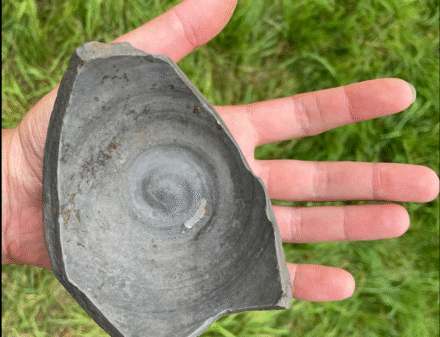
Sorry, try again! This is the rim and handle of a Roman amphora - a large jar used to transport wine, oil or sauce. Amphorae have thick handles and narrow necks for sealing and stacking. This sherd was found at our site in East Yorkshire
A
B
C
D
Sorry, try again! This is a base from greyware pottery, one of the most common types in Roman Britain. Locally made and undecorated, it was thick and practical, mainly for cooking and storage. This sherd was found at our site in East Yorkshire
A
B
C
D
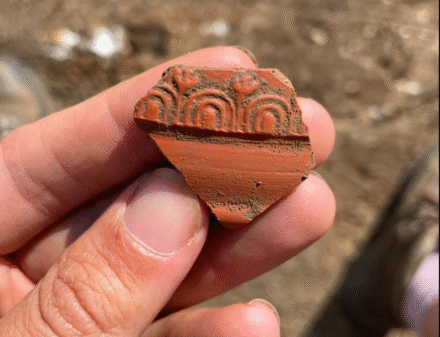
That's right! Decorated Samian ware (‘Terra sigillata’) is distinctive for its glossy red finish and intricate decoration. It was high-status tableware for special occasions and often travelled long distances. This sherd was found at our site in East Yorkshire
A
B
C
D
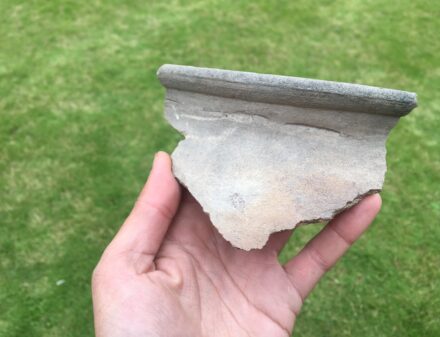
Sorry, try again! This is the rim of common Roman pottery, used daily for cooking or storage. Unlike Samian ware, it’s plain, utilitarian and often grey or orange. This sherd was found at our site in East Yorkshire

Q: What were Roman "lucernae" used for?

A
B
C
D
Writing
Sorry, try again!
A
B
C
D
Lighting (oil lamps)
That's right! Roman "lucernae" were small oil lamps used in homes and public places. Often made from clay or metal, some lamps featured decorative designs, including gladiatorial scenes.
A
B
C
D
Cooking
Sorry, try again!
A
B
C
D
Religious rituals
Sorry, try again!

Q: What was the purpose of many Roman mosaics found in villas?

A
B
C
D
To mark property boundaries
Sorry, try again!
A
B
C
D
To provide insulation
Sorry, try again!
A
B
C
D
To tell stories of military victories
Sorry, try again!
A
B
C
D
To decorate floors with artistic scenes
That's right! Roman mosaics were intricate artworks made from tiny pieces of stone or glass, used primarily to decorate floors in villas and public buildings. These mosaics often depict mythological scenes, daily life or geometric patterns, providing insight into Roman tastes and values.

Architecture & Settlement

Q: What kind of Roman building is an "aisled villa"?

A
B
C
D
A religious temple
Sorry, try again!
A
B
C
D
A farmhouse with a large central hall supported by rows of columns
That's right! Roman aisled villas were a type of farmhouse common in Roman Britain, featuring a large central hall flanked by rows of columns (aisles). This architectural style provided open, versatile space for farming activities and living quarters, and was adaptable to local needs.
A
B
C
D
A military outpost
Sorry, try again!
A
B
C
D
A public bathhouse
Sorry, try again!

Q: Romans built incredible structures like the Pantheon using what key material?

A
B
C
D
Wood
Sorry, try again!
A
B
C
D
Stone
Sorry, try again!
A
B
C
D
Concrete
The Romans revolutionised architecture by developing concrete - a durable building material allowing structures like the Pantheon’s vast dome to stand the test of time. This innovation supported their expansion and lasting legacy.
A
B
C
D
Brick
Sorry, try again!

Artefact Interpretation

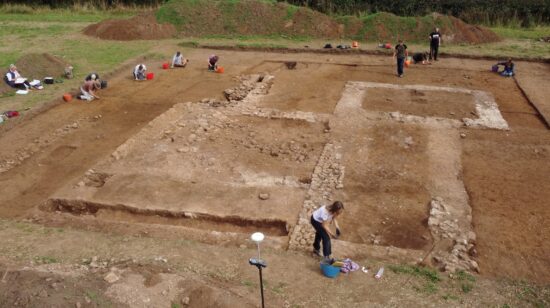
Q: What is one of the most common challenges archaeologists face when interpreting Roman artefacts?

A
B
C
D
Artefacts are never preserved
Sorry, try again!
A
B
C
D
Romans never left detailed written records about any of their objects
Sorry, try again!
A
B
C
D
Artefacts are never found in their original locations
Sorry, try again!
A
B
C
D
Many objects were recycled and reused, confusing their original purpose
That's right! Archaeologists often struggle to interpret artefacts because the Romans reused materials and objects over time. For example, pottery shards might have been reshaped or metal tools repurposed, making it tricky to determine their original function.

Well done!


Love archaeology?

DigVentures was born from a mission: to connect people who love archaeology with opportunities to DO archaeology. Together, we're making groundbreaking new discoveries that everyone can be part of, and creating archaeology content that we can all share, learn from and enjoy. Wherever you live and whatever your background, you can be part of it too.

Become a Subscriber

Written by DigVentures

Fascinated by archaeology? DigVentures runs excavations that anyone can be part of. From Roman ruins and medieval castles, to Bronze Age monuments and industrial heritage, you can choose to dig alongside our team, help out in the Finds Room, take an online course, or become a Subscriber for even more ways to enjoy archaeology with our team.

Read more from DigVentures +

There are no comments on this post yet. Be the first!

Leave a comment

Get the DigVentures Newsletter

Sign up to discover opportunities to get involved in archaeology - in your area, and beyond!

Easy opt-out at any time - Privacy Policy

Archaeology / In Your Hands
  • Heritage Lottery Fund
  • CIfA

See all the archaeology digs, talks, festivals and other events coming up at DigVentures

Learn more about digging up the past and have fun while you're doing it!

We're connecting people who love archaeology, with opportunities to do archaeology.

Archaeology experiences and other perfect presents for people who love the past.