Medical waste is generally something to be avoided, but for archaeologists it provides a rare opportunity to show that medieval medicine wasn’t all hocus pocus.
“10 bizarre medieval medical practices”, “crazy potions and nasty nostrums”, “12 crazy medieval medical practices that did more harm than good”… that’s what most blogs about medieval medicine gleaned from manuscripts sound like.
By comparison, material based on archaeological evidence is relatively rare. And yet, when archaeologists are lucky enough to find medical waste on a site, they provide crucial clues to working out what doctors were actually doing in medieval hospitals.
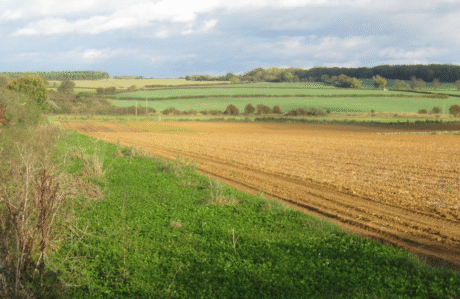
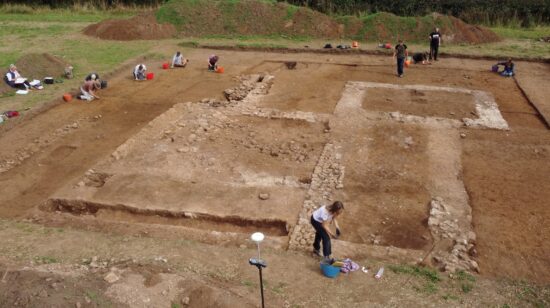
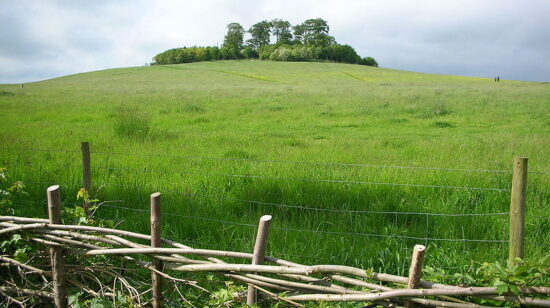
Take the Scottish site of Soutra, for example. Founded in 1160 by Augustinian monks, Soutra was a massive medieval complex large enough to hold 300-400 people. It included a church, a monastery and… the largest hospital in Scotland at the time.
When archaeologists started excavating, they encountered a thick, gooey black substance, which tests later confirmed was human blood. Turns out, these were the remains of blood pits where Soutra’s medieval doctors had emptied human blood and other medical waste which had been preserved in Scotland’s wet soil (including toxic ingredients and even viable spores of contagious diseases…)
From diet pills to anaesthetics, here’s a handful of some of the incredible discoveries from Soutra that will change your view of medieval medicine forever:
1. Potent painkillers
Ok, so on to the first actual remedy turned up during excavations – a potent mix of hemlock, henbane and opium poppy – all plants which can be lethal in high doses. One medieval manuscript says this combination could put a man under for up to three days – if he woke at all! These were more than just painkillers, but general anaesthetics that were used to knock patients out before surgery – the results of which (amputated body parts) were also found.
2. Parasite killers
The eggs of parasitic worms would probably have plagued the guts of many a medieval visitor and eggs of parasitic worms were found in the old drains here, BUT always alongside a mix of tormentil – a herb that can not only help with parasites, but also contains tannin, chinovic acid, and glycosides which alleviate diarrhoea and internal bleeding.
3. Disinfectants
Quicklime is a caustic chemical and disinfectant which the archaeologists found throughout the blood pits, suggesting it was deliberately mixed in, presumably to deal with the stench, but possibly in preparations too.
4. Diet pills
Archaeologists at Soutra also found the remains of a bitter vetch plant Lathyrus linifolius. This mostly forgotten herb was an appetite suppressant that was used for centuries, often by farmers who wanted to survive crop failure, but also on the opposite end of the spectrum by the rich who ate a little TOO well.
5. A hangover cure that’s worse than the hangover
While one Scottish doctor I know recommends Irn Bru for a hangover, the Augustinians did it a little differently. They mixed toxic seeds from dog’s mercury with liquids left over from salt making to induce a two hour bout of vomiting and diarrhoea. Don’t think we’d ever actually want to find out if this one works – we’ll stick with the hangover thanks.
6. Uterine stimulants
Augustinian monks were forbidden from practising midwifery, but even so, archaeologists found ergot fungus and juniper berry seeds. Medieval texts suggest they were used to induce labour… or abortion and it is in fact now known that ergot can cause catastrophic contraction of the uterus. So, was someone carrying out midwifery on the grounds? The excavation did uncover some stillborn babies which, either way, adds further evidence that something was going on.
7. Watercress – not just for an egg and cress sarnie
Perhaps one of the more bizarre finds was pile of teeth with the remains of watercress, and later some texts which suggested that watercress was used to help stop loose teeth falling out. Judging by the pile of loose teeth, it appears not to have worked. Or did it? Vitamin C in watercress was enough to reverse the scurvy which caused loose teeth and it seems the monks knew this.
Archaeologists are still studying the medical waste left at Soutra and with new discoveries still being made, this is an incredibly important site for our understanding of medieval medical practice.
Archaeology in your inbox?!
Want to join a dig? Learn more about archaeology? Join our email list for a monthly digest of our most popular stories, plus alerts for any digs, events, or courses you can join.
Join the list
Written by Anna van Nostrand
Anna is all about spreading the good word of Archaeology.