Lindisfarne Namestones
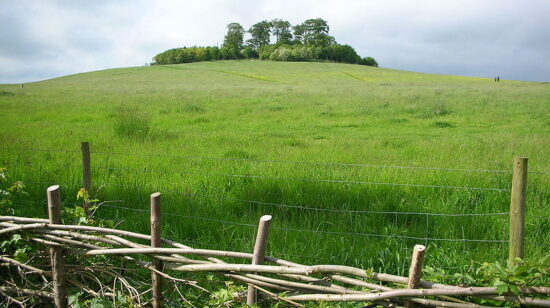
Today, Lindisfarne is seen as a remote island that can only be reached at low tide, but 1400 years ago it was one of the busiest, best connected, and most densely populated places in England.
The namestones in this collection all commemorate individuals who lived on the island during the height of the Viking raids. These people lived in and around the small monastery established in AD635 by Anglo-Saxon King Oswald. From humble beginnings, it quickly grew to become the religious powerhouse at the heart of his Northumbrian kingdom.
Browse the Lindisfarne namestone collection
Similarities in lettering style suggest that many of the namestones in this collection may have been made during the island’s peaceful heyday around the same time as the Lindisfarne Gospels (AD 715-720), but others may have belonged to people who witnessed a Viking raid, could remember someone who had, or lived in fear that they would.
Ethelhard's namestone
Lindisfarne, AD 750-800

Aedberecht's namestone
Lindisfarne, AD 750-800
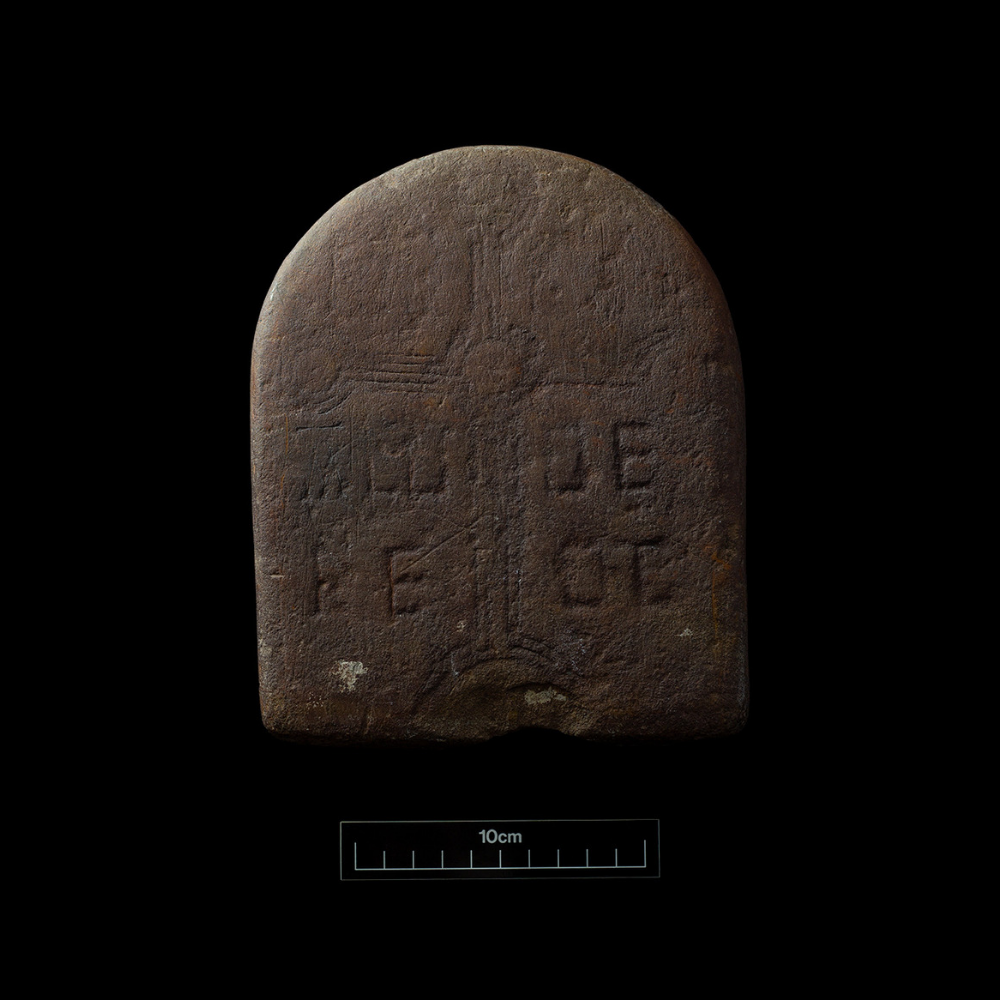
The 'Apprentice's' namestone
Lindisfarne, AD 750-800
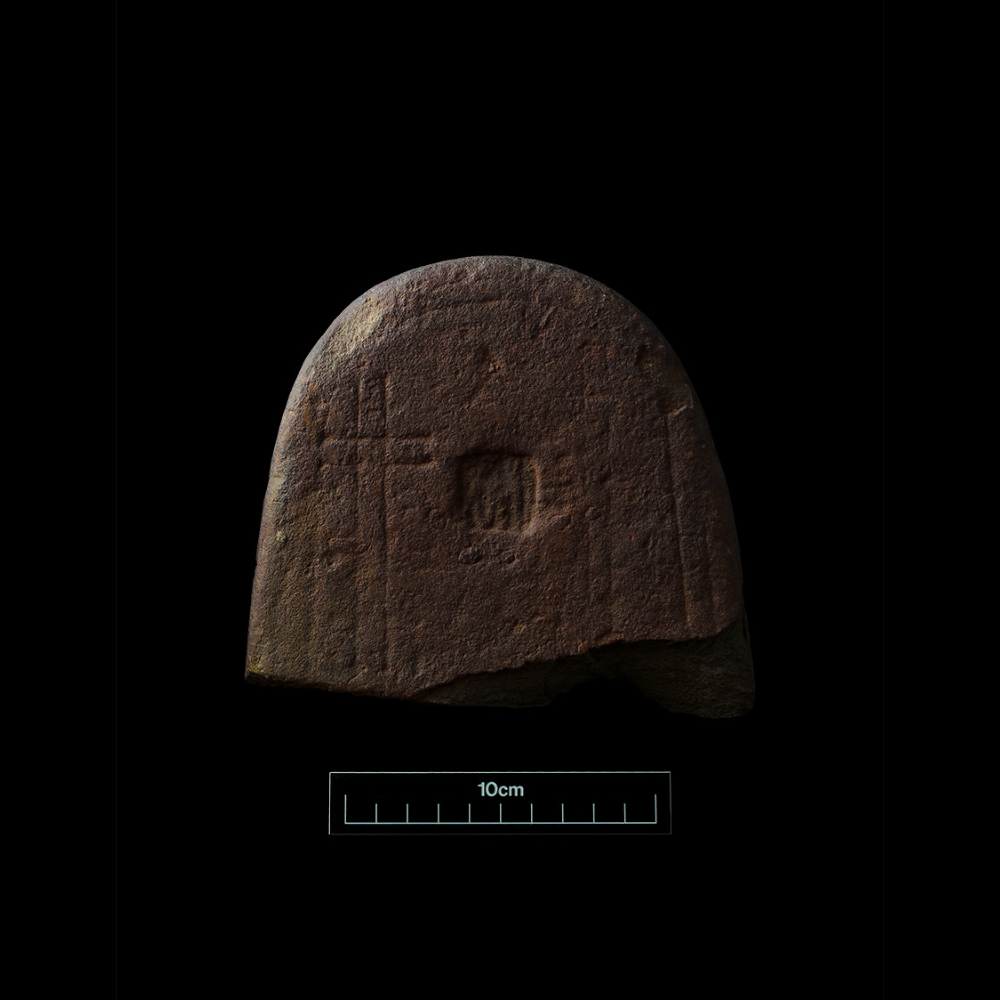
Aud- and Lac-'s 'double' namestone
Lindisfarne, AD 700-750

P-uini's namestone
Lindisfarne, AD 750-800
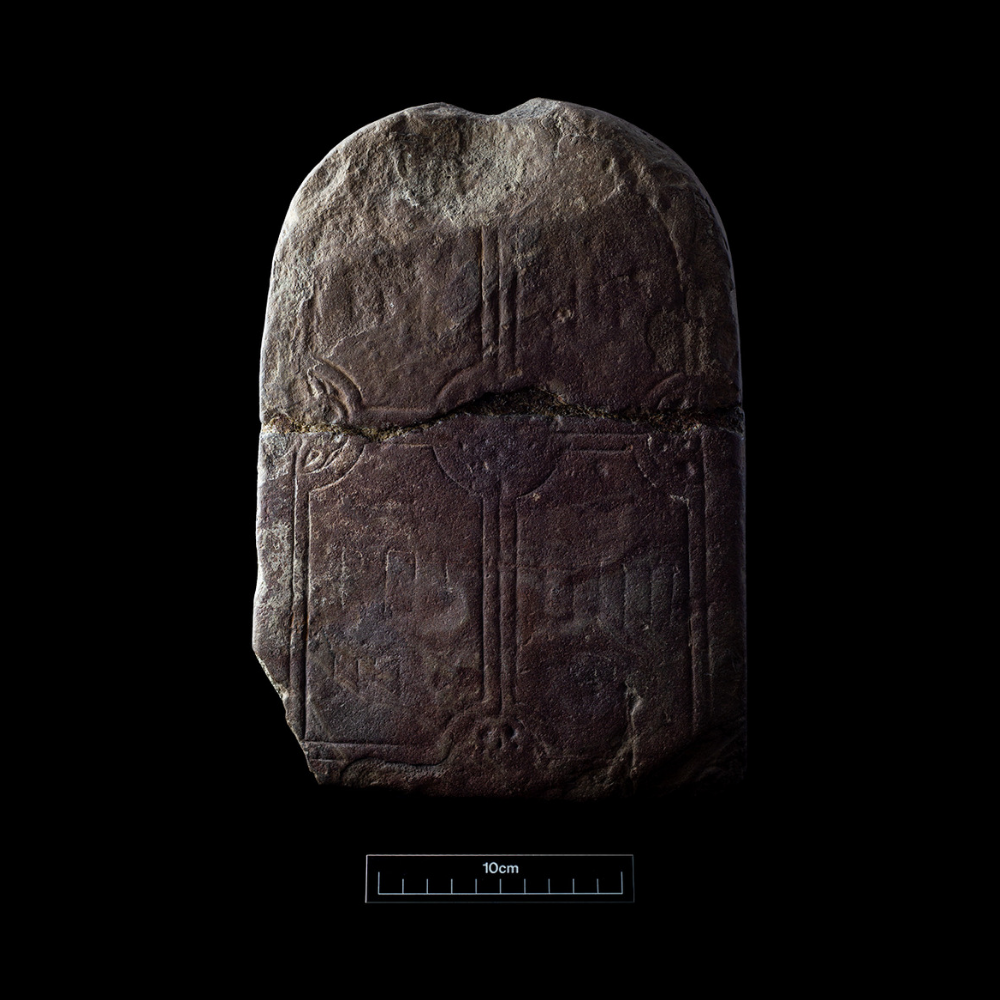
Unknown's namestone
Lindisfarne, AD 700-800
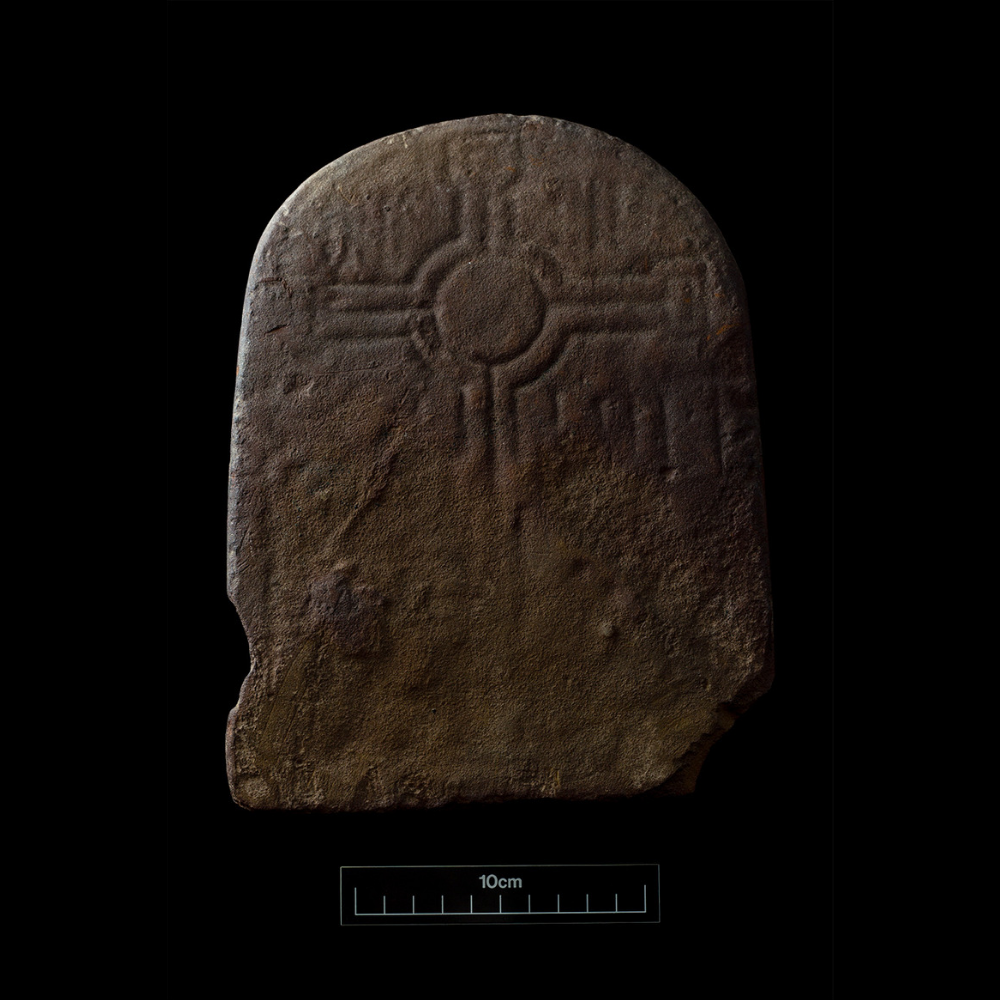
Unknown's 'triquetra' namestone
Lindisfarne, AD 700-800

Osgyth's namestone
Lindisfarne, AD 750-800

Beannah's namestone
Lindisfarne, AD 750-800

Amwini's namestone
Lindisfarne, AD 700-800
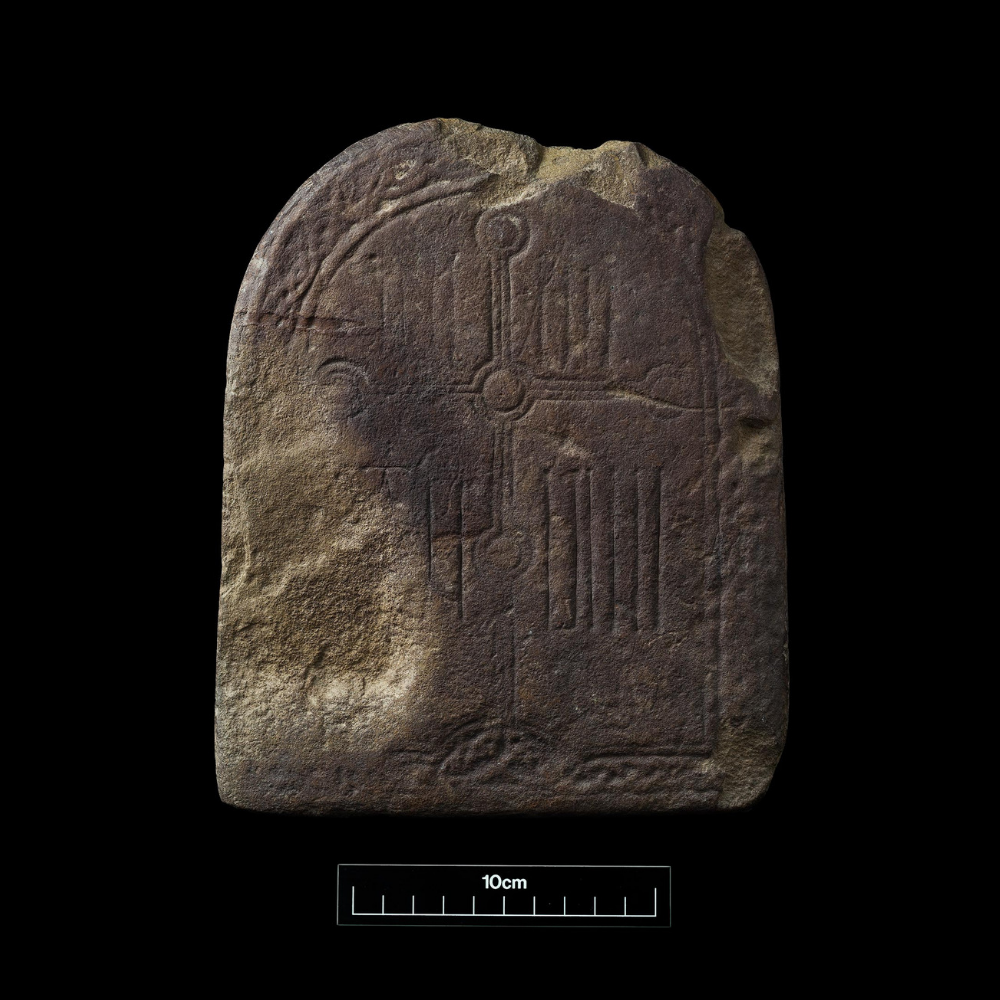
Unknown's 'quarter' namestone
Lindisfarne, AD 700-800 (?)
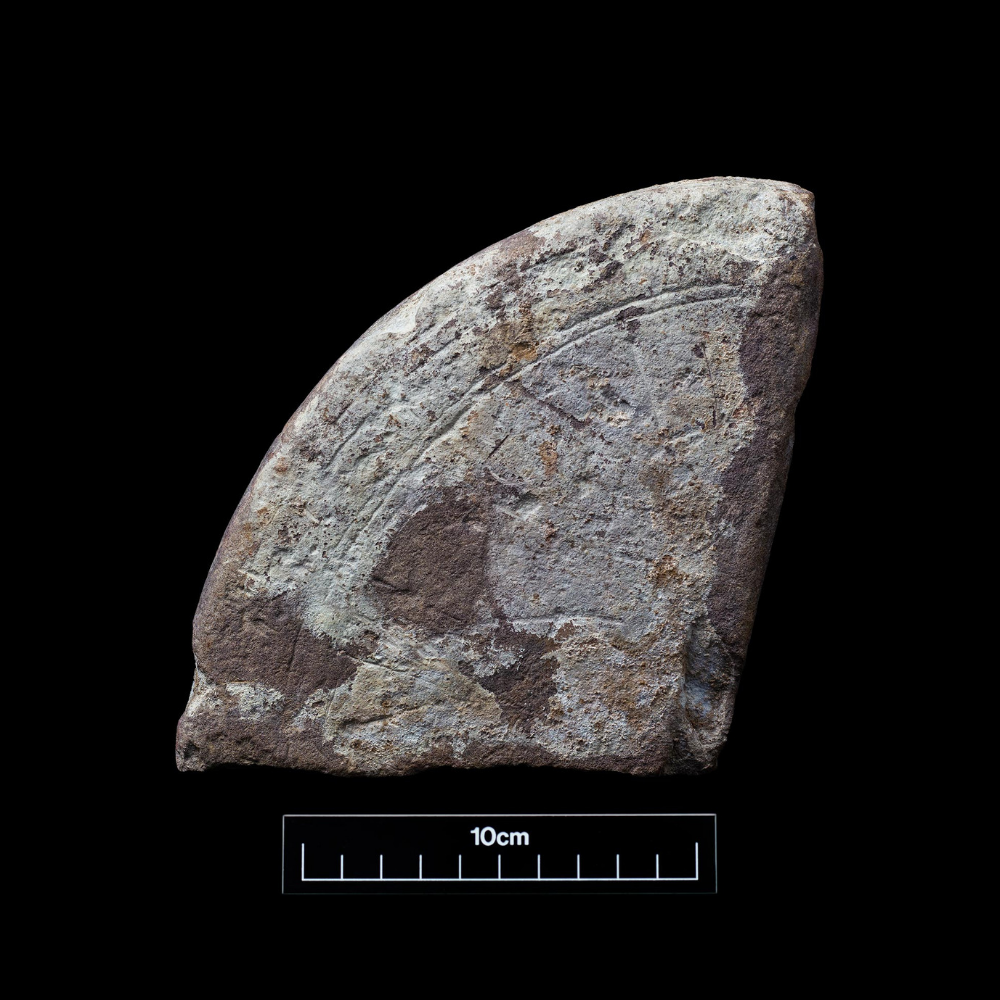
Ha's namestone
Lindisfarne, AD 700-750

Unknown's 'hollow' namestone
Lindisfarne, AD 650-750
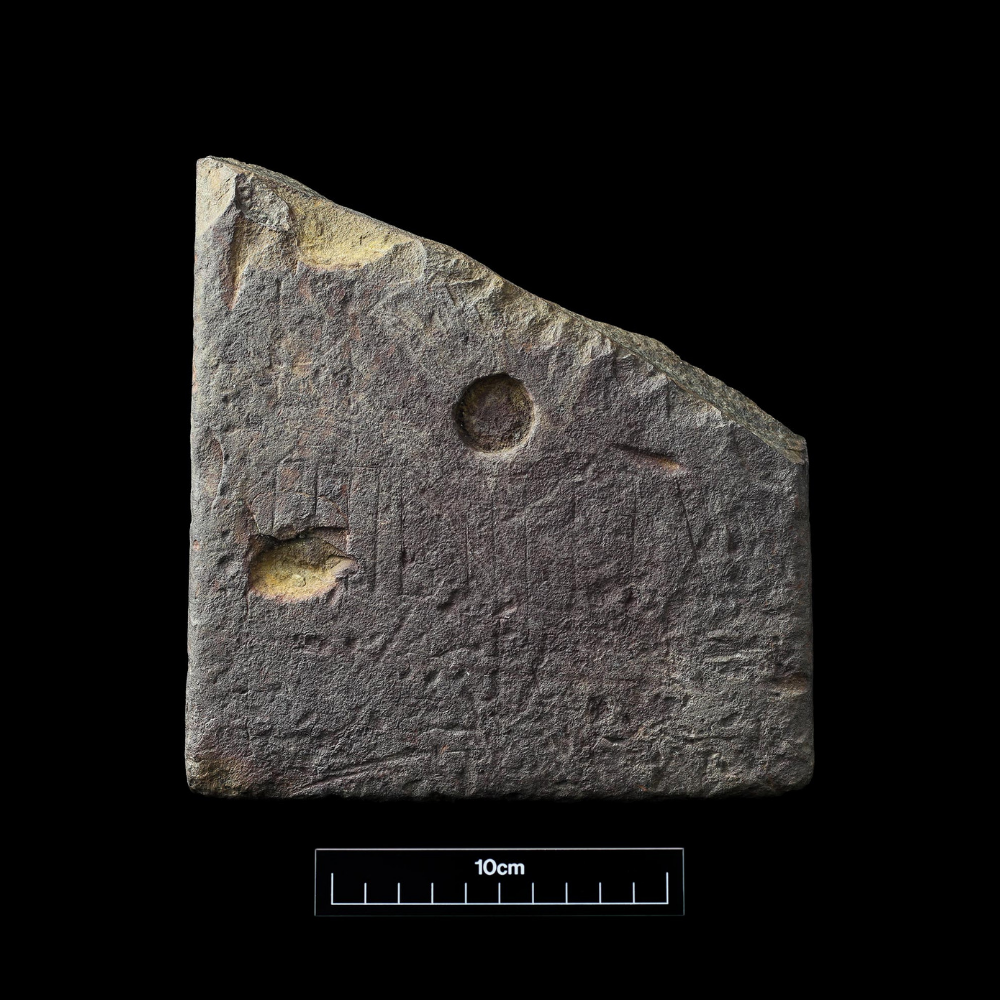
Unknown's 'blank' namestone
Lindisfarne, AD 700-800 (?)
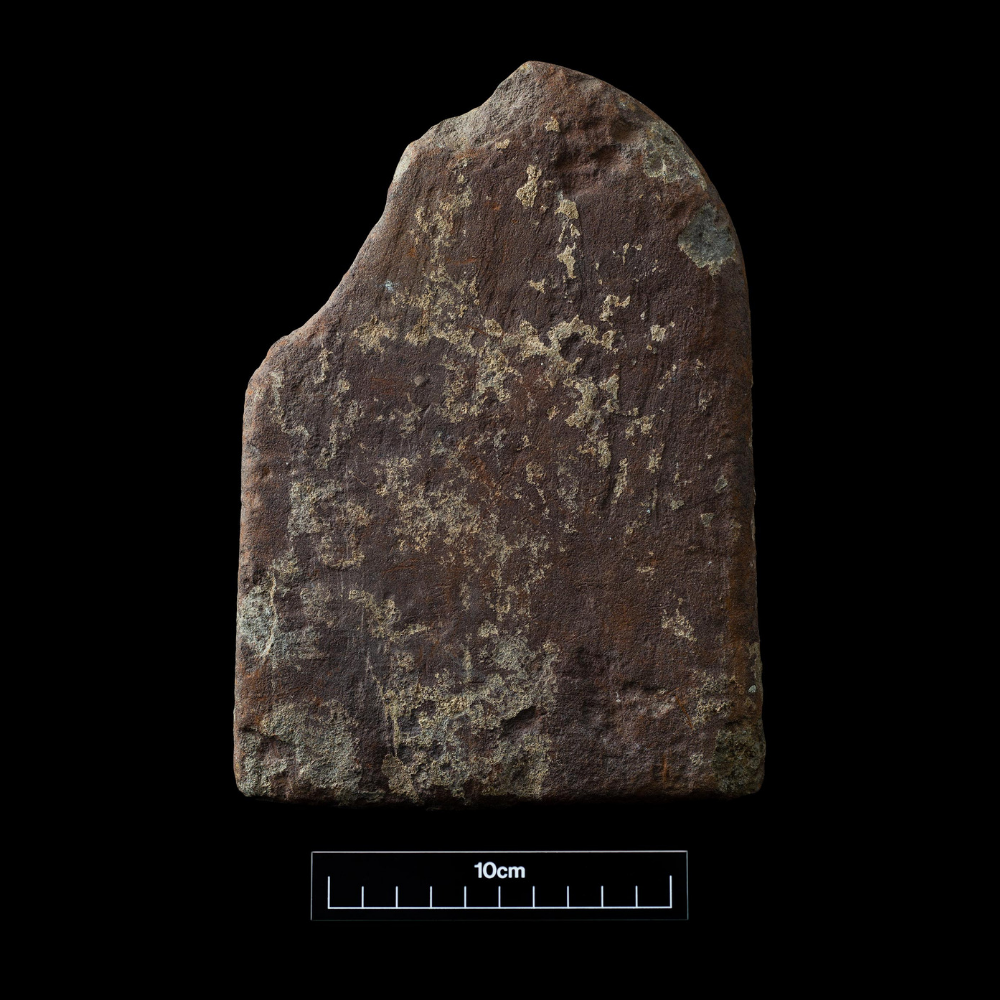
Ythfrith's namestone
Lindisfarne, AD 650-750

'Friend's' namestone
Lindisfarne, AD 650-850
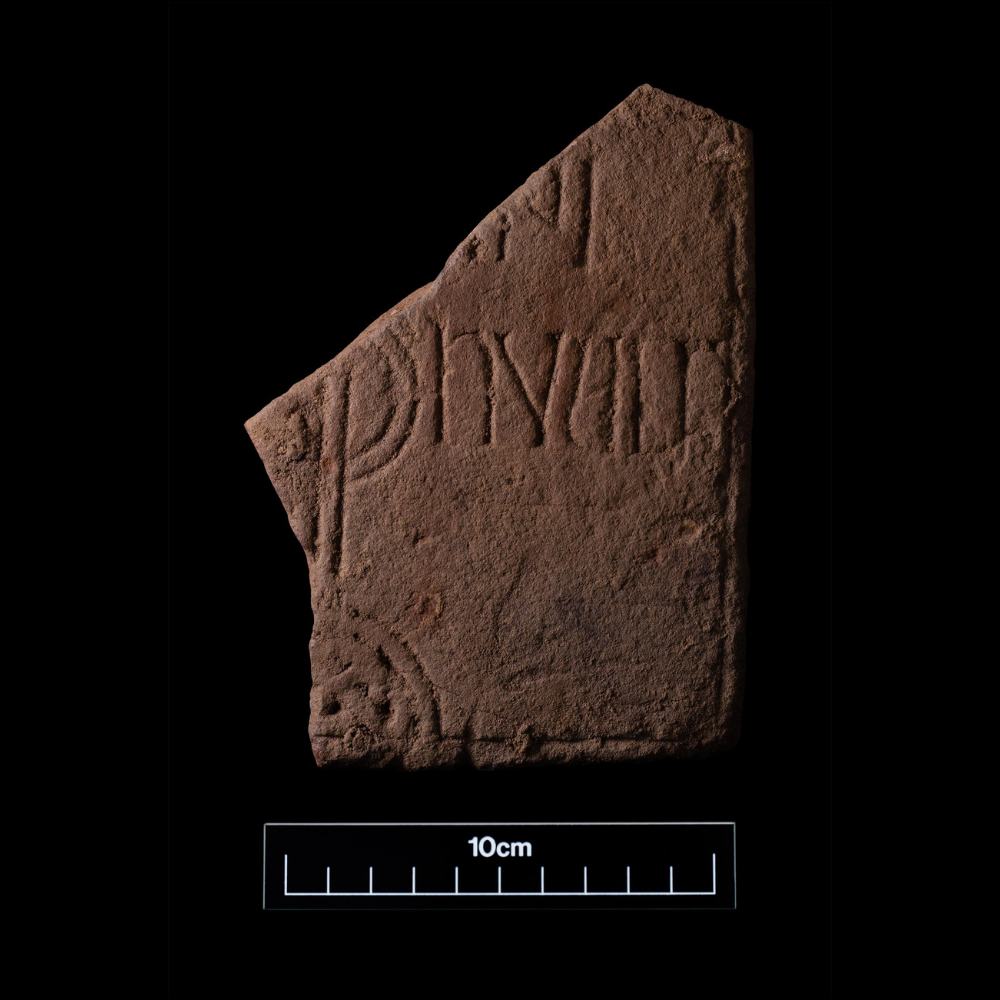
Gis-'s namestone
Lindisfarne, AD 700-800 (?)
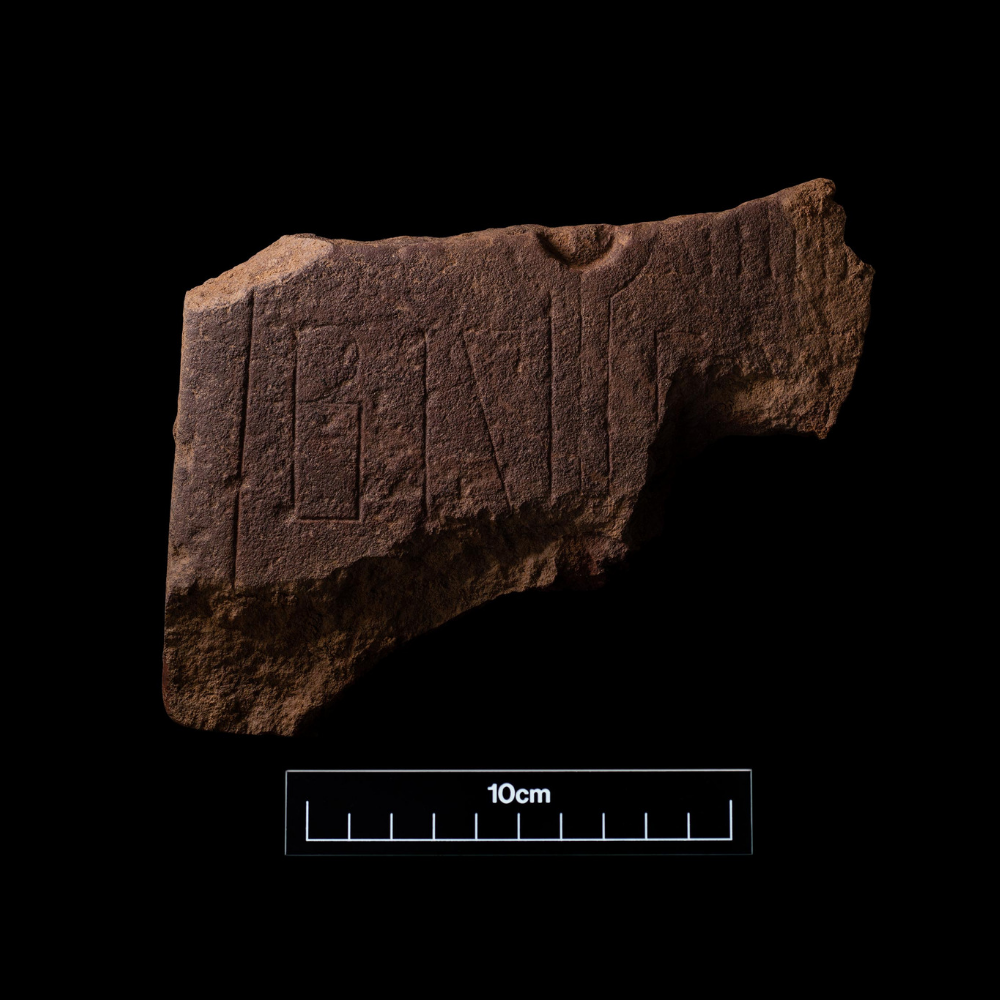
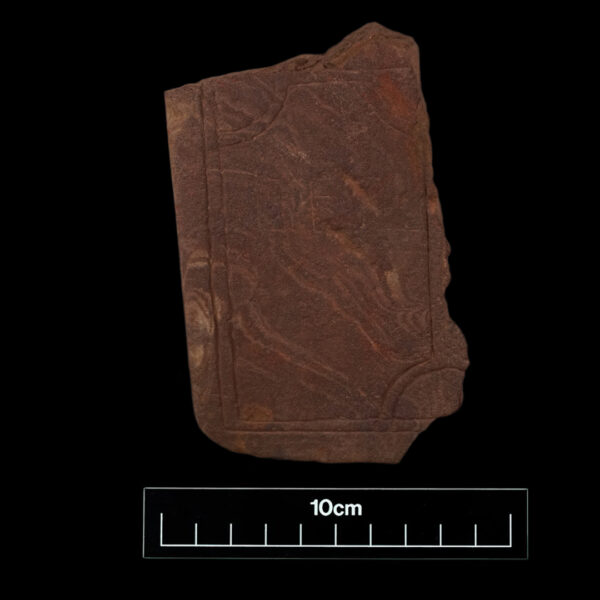
Unknown 'double' namestone
Lindisfarne, AD 825 - 850
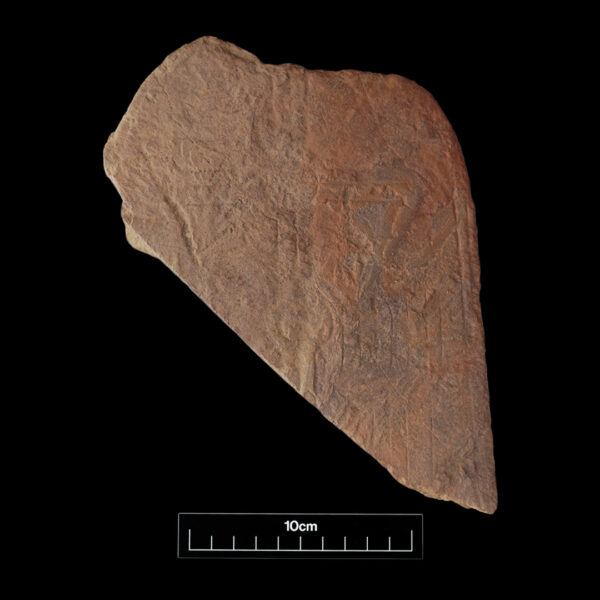
Unknown's namestone
Lindisfarne, AD 825 - 850
Learn more about Lindisfarne
Within 150 years of its founding, the island’s religious community controlled huge swathes of land, produced glittering treasures to adorn the churches of Europe, and played host to the thousands of miracle-seeking pilgrims who came to see the relics of the famous Lindisfarne saints; Aidan, Cuthbert and Finan. Its position just across the water from Bamburgh Castle put it close to many popular sea-lanes, which meant Lindisfarne had direct connections with the great power-centres of Anglo-Saxon England, and with Continental Europe. But its spectacular coastal position and uncontested wealth were also its greatest weaknesses; in AD 793 it became one of the first communities in Britain to be raided by the Vikings. The attack was brutal, bloody and followed by many more over the next hundred or so years.
Who lived on Lindisfarne?
Historical sources tell us there was a famous monastery on the island, inhabited by monks, saints, and kings. But new archaeological evidence is starting to reveal another side to the story...
Why did King Oswald choose Lindisfarne?
The Anglo-Saxon monastery was originally founded by King Oswald of Northumbria just 160 years earlier. So why did he choose this location? How much did its coastal location matter to the Anglo-Saxon monks who lived here? And what archaeological evidence do we have to prove it?
Our favourite archaeological discoveries from Lindisfarne
What's the best thing you've ever found? That's one of the questions archaeologists get the most. Today, we try and answer that question after two weeks searching for the remains of the Anglo-Saxon monastery on Lindisfarne.
What do Anglo-Saxon buildings look like to archaeologists?
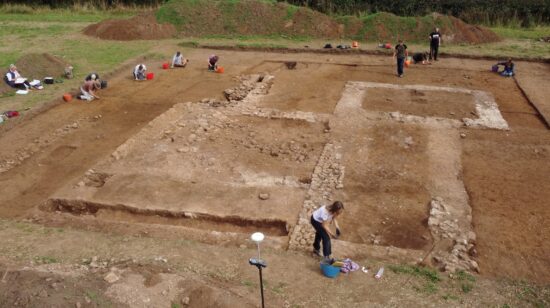
This year at Lindisfarne, we are continuing to uncover the remains of a possible Anglo Saxon building. We have worked stone and a possible wall, but how do we know who put them there and when? Chris and Josh discuss Anglo Saxon buildings and how to know when you've found one.
David Petts on The Three Ages of Lindisfarne
In the ancient world, remote places weren't necessarily on the periphery of things, they were often at the centre. Lindisfarne is the perfect example; it may have been a Christian monastery, but even in the 7th and 8th centuries it was buzzing with multi-cultural influence.
Continue through the exhibition
More to explore...