Romans of East Yorkshire
01 - 20 August 2026
DigVentures is crowdfunding a dig to unearth the story of the first Romans to cross the Humber into northern Britain.
DigVentures is crowdfunding a dig to unearth the story of the first Romans to cross the Humber into northern Britain. Help make the dig happen – alongside our archaeologists!
In AD 71, a legion of 5,000 Romans marched north, crossed the River Humber, and established a base at York. What was it like to be among the first Romans to set foot in northern Britain? What infrastructure did they build other than forts? How did they interact with locals? And what was their legacy?
So far, our project has excavated several sites that are helping to answer these questions – from an early roadside inn or mansio built for travelling dignitaries, to the villas they were awarded in return for their service, and even the remains of an early Romano-British settlement.
Much of this dates to the first century AD and creates a vivid snapshot of life in those early decades of Roman occupation. But now, we’re exploring the next chapter in the story: what happened as these early Roman arrivals began to settle, integrate, and share their religious beliefs with the local population over the next few centuries?
As well as the remains of buildings, mosaics, courtyards, burials, and coins, our latest discoveries include votive offerings, a Roman bakery, and cheese presses. From a holy shrine to bread and cheese production, we’ve got a tantalising new side to Roman life to explore…
Help us reach our goal, and you’ll have the amazing opportunity to take part in the dig – online or in East Yorkshire – as we continue to follow the story of the first Romans to cross the Humber.
Our dig site - a Roman shrine, bakery, and settlement

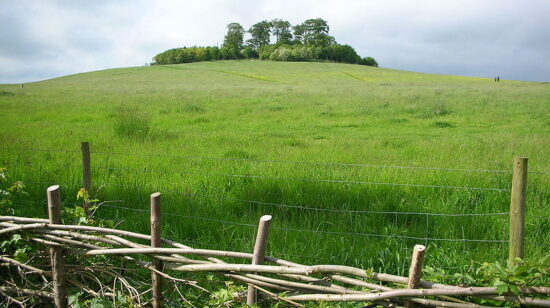
Located near Driffield in the East Riding of Yorkshire, our dig site includes the remains of a mansio (roadside inn), an early settlement (a type of Romano-British village), and a later Roman villa, as well as what appear to be the remains of a Roman shrine, bakery, and cheese manufacturer.
Set in the same landscape as several important Iron Age and Romano-British sites like Wetwang Slack, Pocklington and Wold Newton, and located around a day’s march from several key Roman forts, this site is perfectly placed to tell the story of the first Romans who crossed the Humber into northern Britain – from the moment they arrived and established core infrastructure such as forts and mansios, to what happened when they settled down and began living alongside the local population.
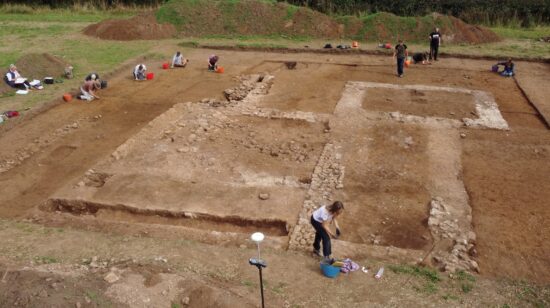
This year, we’ll return to an area of the site where there are traces of a possible Roman shrine, but also clear signs of religious, domestic and industrial activity including votive offerings, quern stones, cheese presses and what appear to be ovens. It’s a rare opportunity to explore how religion, food production, and everyday life intertwined for the residents of East Yorkshire in AD 300-400.
The discoveries so far
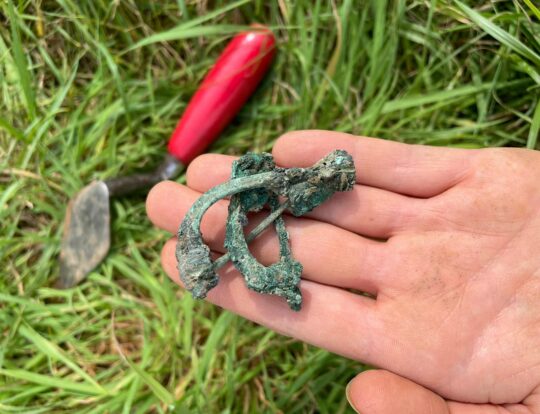
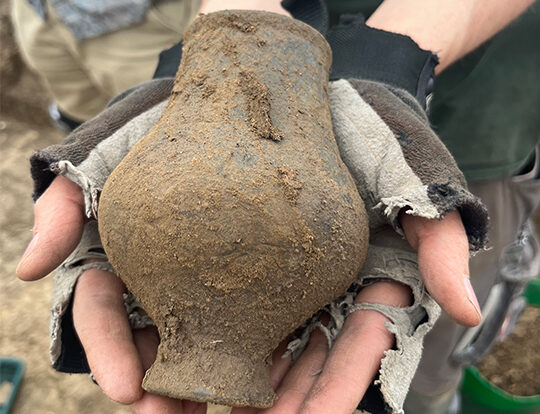
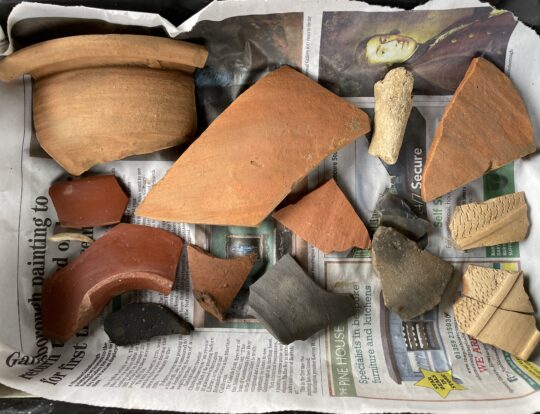
Over the last two years, our investigations have revealed that this site is far more complex than anyone expected. What we thought was a possible Roman shrine has unfolded into evidence for a much wider settlement, one that may have combined everyday industry with ritual activity.
In 2025, our trenches uncovered a remarkable mix of features: burnt circular pits filled with ash and orange clay, animal bone and pottery, foundations of a Roman wall and, in one area, a complete quern stone still in place on its original floor surface. We also found several cheese presses and signs of intense burning that could mark the remains of an oven or bread-making area.
Together, these discoveries suggest that the people living here were grinding grain, baking bread and making cheese – all just a short distance from where votive offerings and ritual deposits were placed.
What we’re looking for

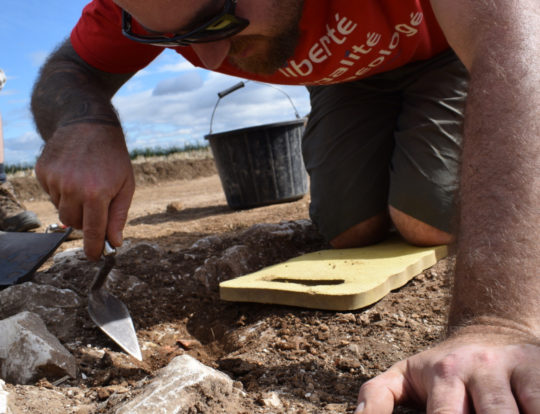
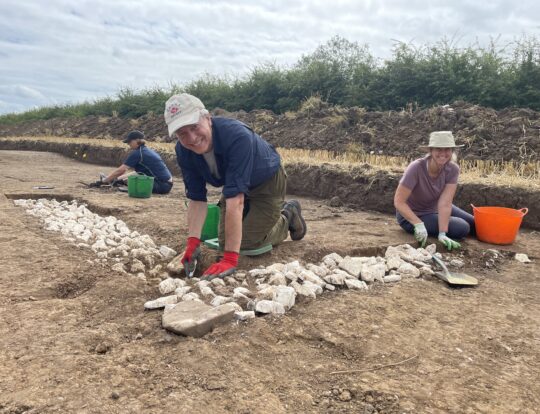
In 2026, we’ll return to build on these exciting discoveries. The goal for our tenth season of digging in East Yorkshire is to explore how all these elements – domestic, industrial and ritual – fit together as part of a single Roman settlement.
We’ll extend the areas where ovens, quern stones and possible food-processing spaces were found, and continue investigating the nearby zone where earlier finds suggest religious activity may once have taken place.
By doing so, we hope to understand how food production, settlement life, and ritual practice were connected in this corner of Roman East Yorkshire.
Was this a working community with a shrine at its centre? Did worship and daily work happen side by side? This season, you can help us find out!
Why we want you to get involved

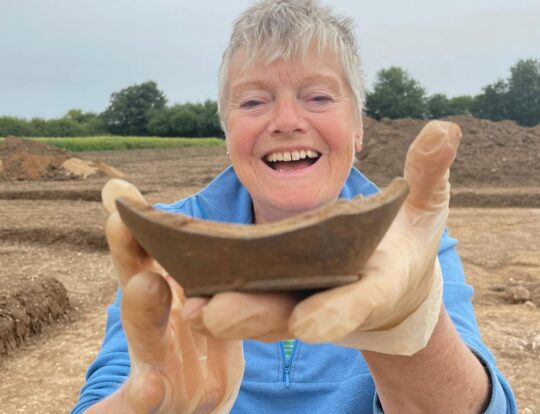
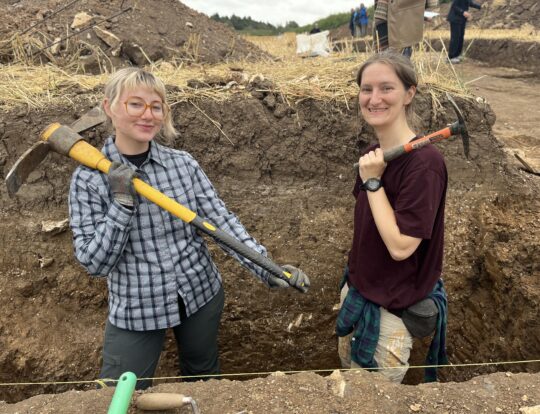
Archaeology doesn’t just have to be something you watch on TV, see in museums, or read about in the news. It can also be about curiosity, discovery, and getting involved to help unearth the history that matters to you.
Across the UK, there are hundreds of archaeological sites that just haven’t gotten the attention they deserve.
At the same time, there are thousands of people like you who know their stories deserve to be shared.
We believe that this site, and what it can tell us about the first Romans who crossed the Humber and how they integrated over the next few hundred years, is much too important to ignore.
With guidance from our top team of archaeologists, and with your interest and involvement, we know that we can unearth this story – and share it with the world.
But that can only happen if you get involved.
Archaeology for East Yorkshire
It’s not just about archaeology, it’s also about archaeology that’s good for East Yorkshire. Over the last 9 years, the dig has also:
- Offered hands-on digging experiences for 100s of children from local schools
- Provided material for school room displays to support further teaching on the farm
- Given talks, tours, and workshops for local community groups and visitors
Join the team uncovering Roman life in East Yorkshire – on the dig team, on the finds team, or by simply supporting the dig to help make it happen!
Crowdfund the dig to help make it happen!

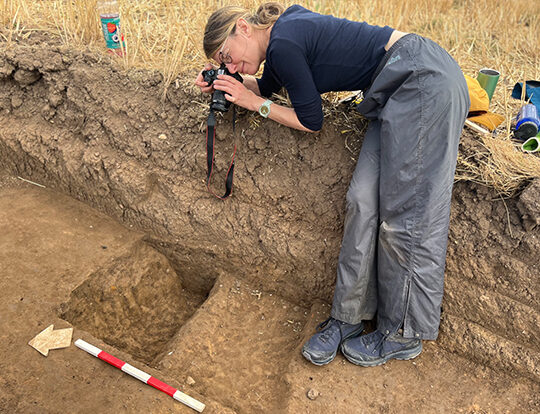

Whether you love history, the Romans, or just want to help unearth the past, you can:
- Join the Dig Team
- Join the Finds Team
- Support the dig to help make it happen and follow the discoveries from home!
However you choose to get involved, you’re contributing to nationally significant research.
As well as excavation and fieldwork, your support covers planning and research design, conservation, expert analysis and reporting, archiving, outreach and publication.
We make sure that all results and discoveries from the dig are freely available to examine online and are published in our official Dig Report, with your name in the credits.
Through our work and collaboration with other experts in the field, we can make a real contribution to our knowledge of Roman Yorkshire.
And by taking part, you can too.
It’s archaeology in your hands!
Join the Dig Team!
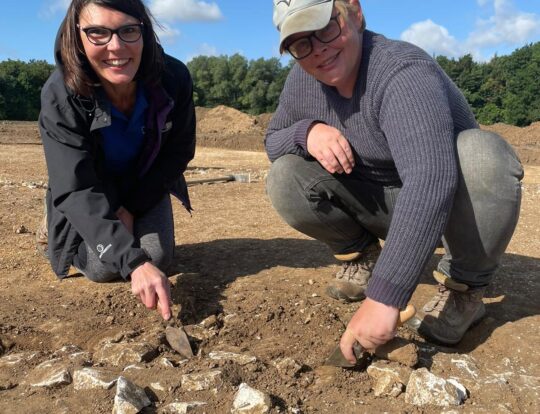
You'll learn how to excavate
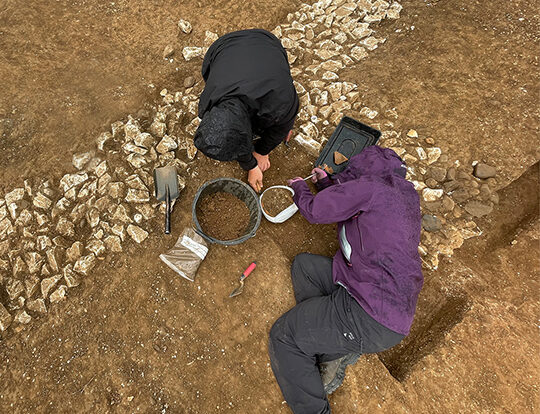
Explore complex features and ruins
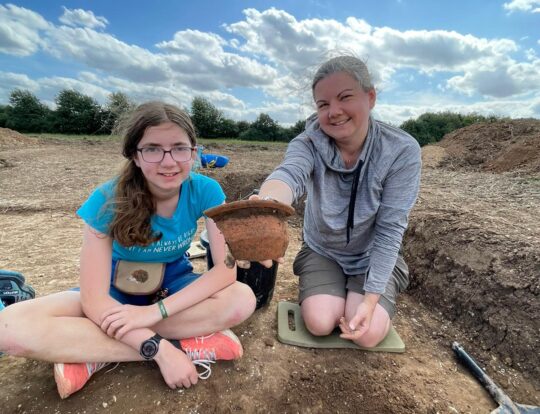
Lift delicate remains
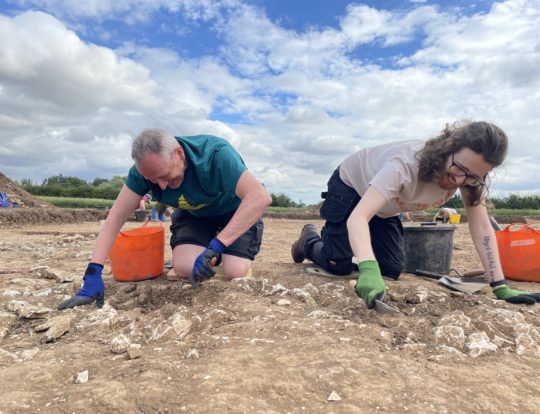
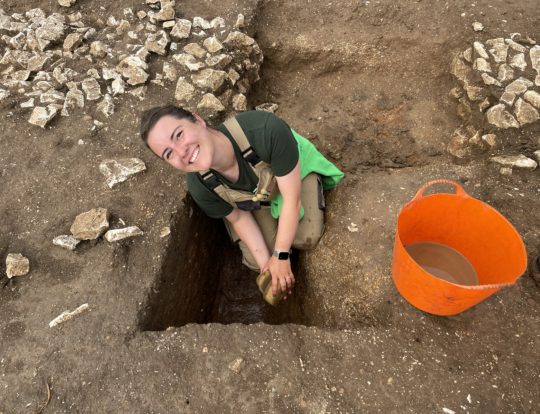
Join us on the dig and we’ll teach you all the essential skills that field archaeologists use: how to spot new archaeological features, how to excavate them, how to identify artefacts, and how to record what you find.
The archaeology you do will be real, hands-on, and just a little bit dirty. And your search for evidence will be guided by our friendly team of archaeologists every step of the way!
You’ll be part of our team from the moment you arrive, and the longer you stay, the more you’ll learn. Starting with the basics of how archaeologists locate which areas to dig through a process known as ‘cleaning’, you’ll soon progress through a range of different skills and more complex excavation challenges – from investigating features and lifting artefacts, to recording and interpreting your discoveries like a pro.
Most importantly, you’ll walk away having gained real archaeological experience, and having had fun while you’re at it!
Join the Finds Team!

You'll work with freshly discovered Roman artefacts
and learn to identify and categorise them
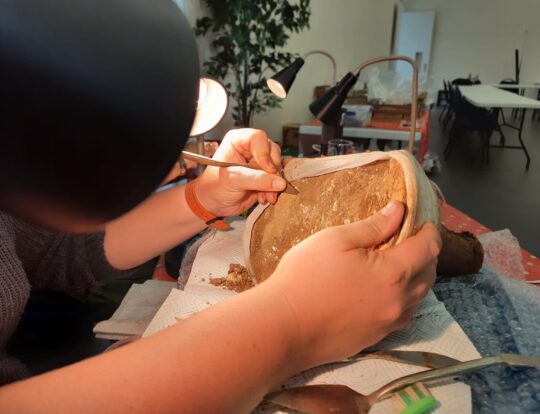
You'll learn to handle and care for a range of materials
Archaeology isn’t just about digging! Join us on the Finds Team, and you’ll be part of the team that handles and cares for everything we find on the dig. It’s the ideal place to be for those of us who love examining things up close.
You’ll learn how to clean and prepare artefacts ahead of conservation; how to handle different materials, including bone, metal, and pottery; how to sort, identify, and analyse collections; and even how to draw, photograph, and record them.
The artefacts you handle will be fresh from the ground, straight from the trenches. Join us on the finds team to help conserve these incredible discoveries and unlock the stories and secrets they hold.
Support the dig online!

You'll get behind-the-scenes updates from the dig

... one of our famous archaeology t-shirts to wear
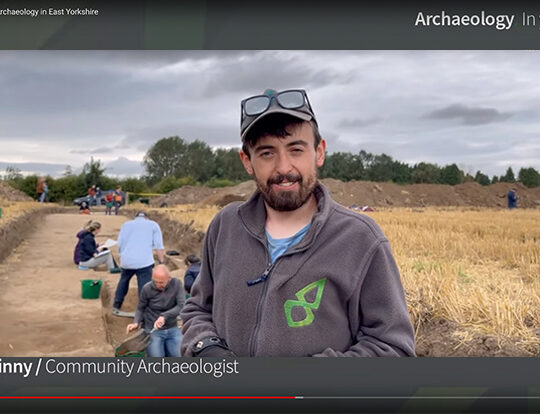
And an invitation to join an online tour of the dig!
Can’t join the dig, but still want to be part of making it happen? Your support is just as important; it helps us do more to:
- Get new communities involved in archaeology – including local schools
- Carry out more in-depth analysis of our discoveries
- Share the discoveries with you in new and exciting ways
From radiocarbon dates and conservation by specialists to community outreach, this is where your contribution really counts.
To show our appreciation, we’ll send you live updates whenever we make an exciting discovery or get interesting results back from the lab. Plus, we’ll acknowledge you as an official contributor in our Dig Report and send you a digital copy – with your name in the credits.
You can even choose extra perks like:
- An online tour with our archaeologists
- One of DigVentures’ famous archaeology t-shirts as an extra gift
Want to be part of the dig?
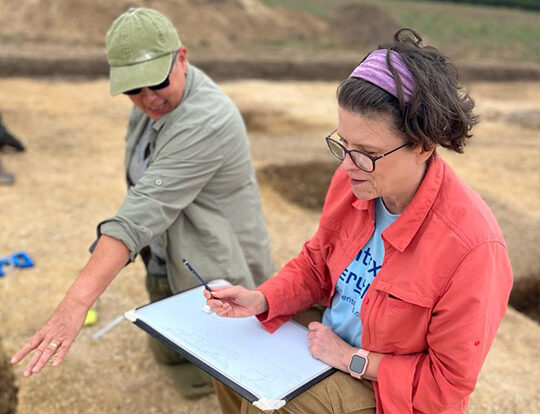


The story of the first Romans to cross the Humber into northern Britain, and their descendants over the following centuries, still needs exploring. Our community has come together, online and in person, to help unearth fascinating new clues about their lives and the infrastructure they built.
If you love Roman history and archaeology, you can help explore the next chapter of the story: settlement, religion, and interaction with the local population. Pledge your support to help make the dig happen and have the amazing opportunity to take part in the dig itself – online, or in East Yorkshire.
If you’ve ever wanted to be part of a team who are making real, ground-breaking discoveries about the past, this is your chance to make it happen.
Crowdfunding Levels
Follow our progress
Follow the latest archaeology action from Elmswell Farm as it happens.