Bring the past to life and get hands-on with history at this weekend festival showcasing the latest discoveries from the heart of ancient Oxfordshire.
Featuring a pop-up exhibition, lively talks, and hands-on workshops, this festival brings the past to life – and gives you the chance to get hands on with it too!
From life and death in a Roman villa to weird and wonderful everyday objects, what will YOU discover?
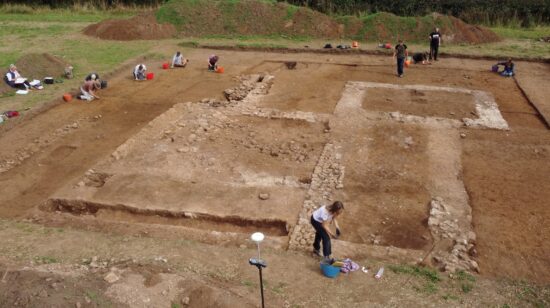
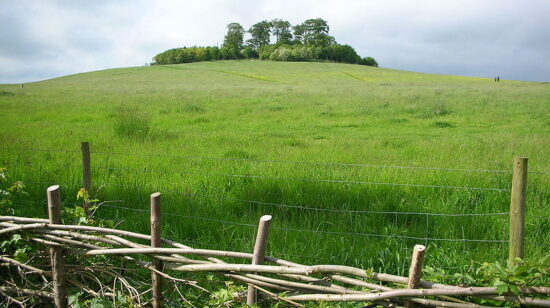
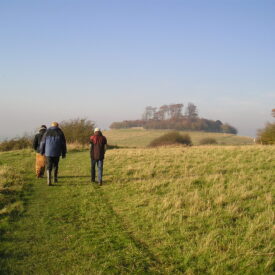
Delve into history and explore the hidden history of Wittenham Clumps, where DigVentures uncovered a previously unknown Roman villa and a vast Iron Age settlement. From the contents of a prehistoric pantry to the arrival of the first pet dogs in Britain, the results have provided an unprecedented insight into ancient life in Oxfordshire.
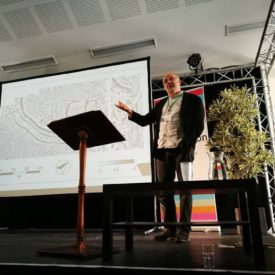
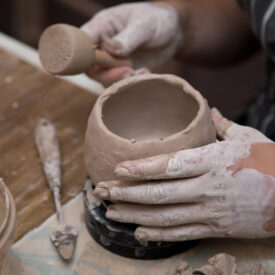
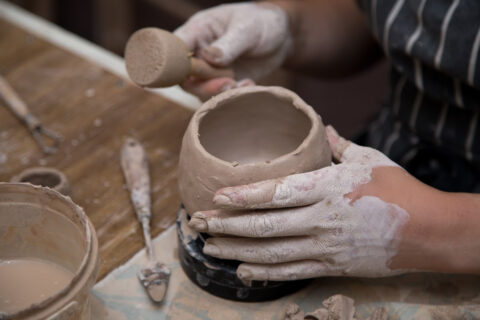
Join us and you’ll get to hear from our expert speakers, spark creativity in an ancient pottery class, or even enjoy a rare opportunity to get hands-on and learn to examine ancient evidence for yourself in a fun and practical workshop with our experts.
Free Pop-Up Exhibition
See the artefacts on display and meet the team behind the discoveries. The exhibition is free to visit in the Earth Trust Visitor Centre 09:30 - 17:30 throughout the festival weekend.
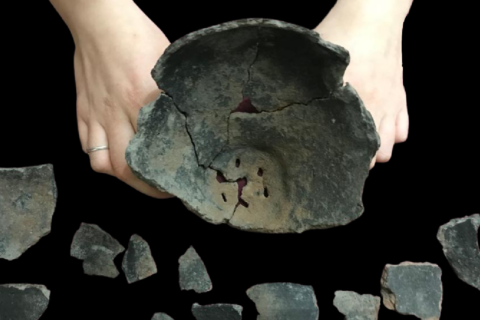
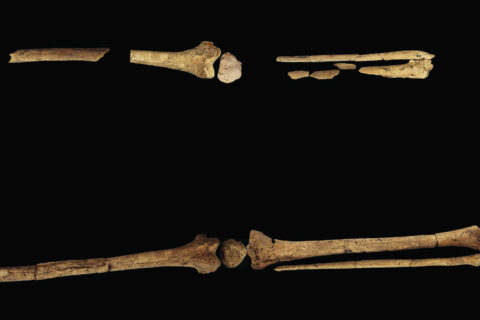
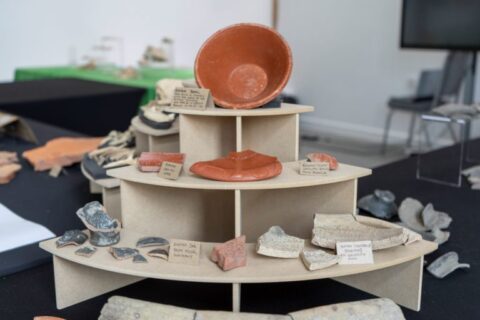
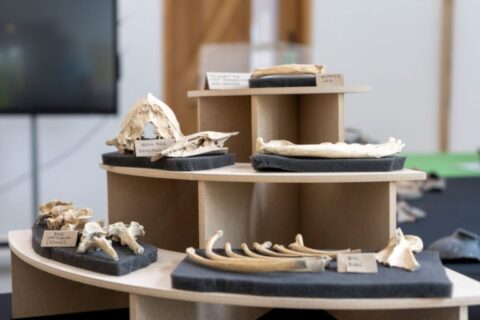
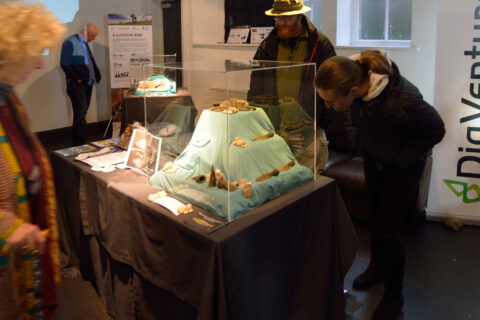
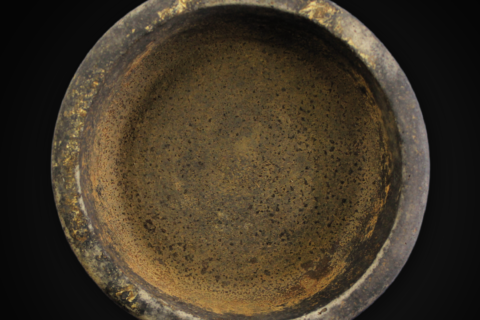
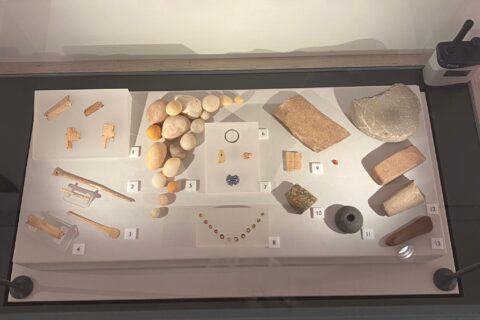
From Roman kitchen utensils to Iron Age coins, this pop-up display is your chance to see some of the 10,000 objects that we uncovered at Earth Trust. Featuring interactive elements and a chance to meet archaeologists throughout the day, it’s fun for anyone who is curious about ancient life in Oxfordshire.
Talks and Workshops
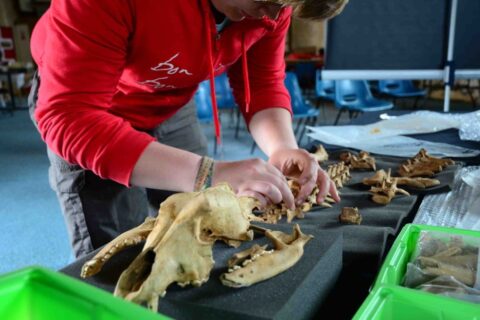
Immerse yourself in history, and enjoy a rare opportunity to get hands-on with ancient artefacts in a fun and practical session with our experts.
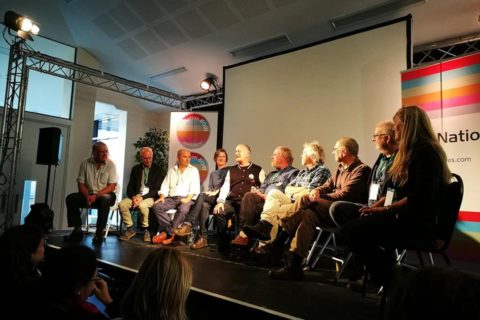
Day 1 - Saturday 17 February 2024
Discover the history of Wittenham Clumps with today's themes of bones and burials, and crafts and creativity.


Day 2 - Sunday 18 February 2024
Discover the history of Wittenham Clumps with today's themes of amazing animals and ancient artefacts.



Our Speakers & Workshop Leaders

HANNAH RUSS
Hannah is a well-known Zooarchaeologist who doesn’t just examine ancient animal remains - she also writes the textbooks on how to do it! Plus, she’s one of the regular expert presenters for Channel 4’s popular TV show The Great British Dig. As well as examining the animal remains from Earth Trust, she has worked on many high-profile sites across Europe and the Middle East, including Lindisfarne, the Newport Medieval Ship, and five UNESCO World Heritage Sites. Through the analysis of bones, teeth and shells recovered from archaeological sites, Hannah can reveal what people ate, their uses of different animals, and the types of environments they occupied in the past.

MALIN HOLST
Malin is an Osteoarchaeologist who examines the human remains uncovered during archaeological digs. Through her work, she reveals the hidden life stories of past populations by searching for the tell-tale signs that are left in our bones. As well as examining the burials from Earth Trust, she has studied the remains from many high-profile sites such as Sutton Hoo, the Raunds Area Project, and the Battle of Towton mass grave. She is a Senior Lecturer in Osteoarchaeology at the University of York, where her research focuses on demography, palaeopathology, and funerary practices in Britain. Malin also undertakes the commercial osteological analysis of human remains excavated across England and Wales as part of her company, York Osteoarchaeology.

JORDI RUIZ VENTURA
Jordi is a Bioarchaeologist who has worked on numerous skeletal assemblages from Spain and Britain, from all periods. He has analysed skeletons from medieval mass graves of individuals who died from disease as well as massacres. Jordi also investigates what people ate in the past by using chemical analysis of human bones and teeth.
Jordi works for York Osteoarchaeology as an osteologist and is also undertaking a PhD at the University of York, where he analyses the health of children in the Anglo-Saxon period.
DAVID GRIFFITHS
David is a Roman pottery specialist who examines the ceramics uncovered during archaeological digs. Through his work, he can reveal details about how old sites were, their trading networks, function, who occupied them, for how long, and what they were doing. As well as examining the pottery from Earth Trust, David has studied the remains from world-famous sites including Pompeii, Vicus, and Vagnari Roman Imperial Estate. His research has covered everything from the use of artificial light in Roman households and, ceramics from the Surgeon’s House in Pompeii, to the relationships between Britons and Romans at Scotch Corner.
Location
Earth Trust, Little Wittenham, Abingdon, Didcot, UK