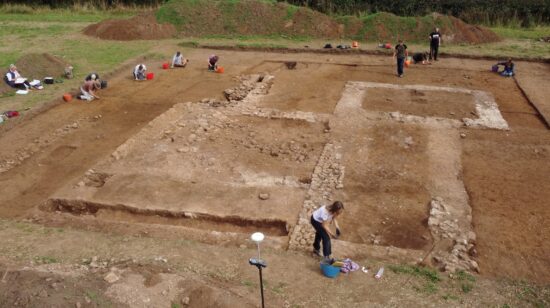
Windmill
A wind mill is a building with sails (‘vanes’) that are turned by the wind, harnessing power to grind grain.
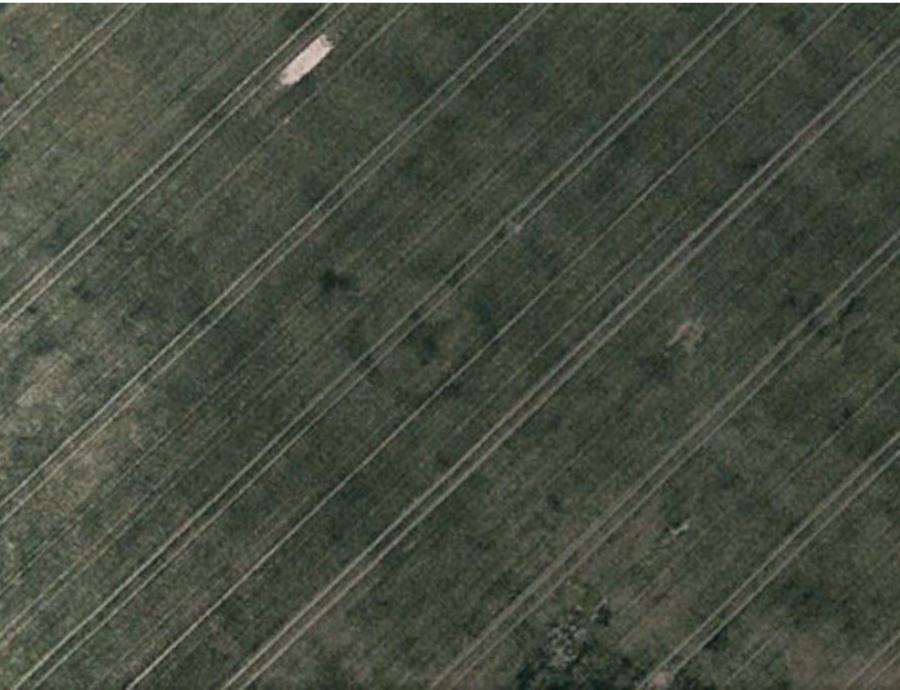
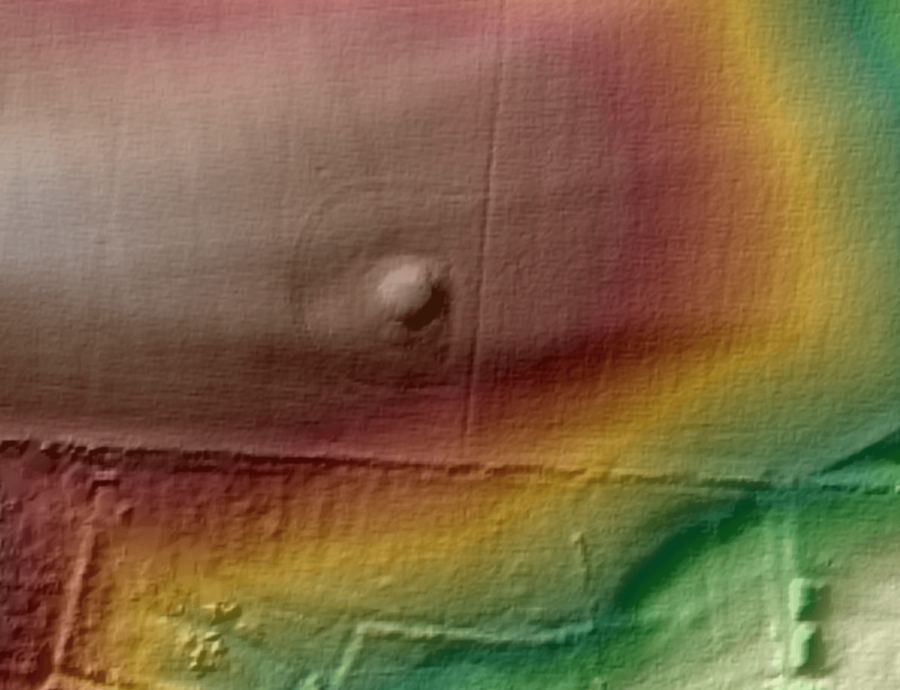

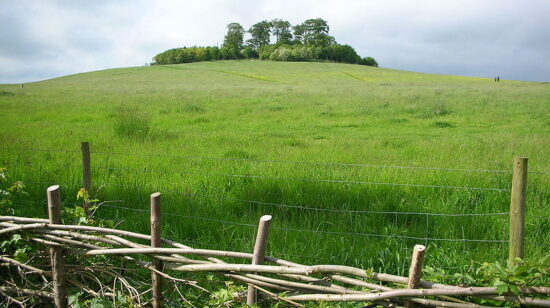
Windmills had to be built on high ground to be in the best position to harness wind power (see Windmill Mound). The earliest known windmills in Britain date to the medieval period. The mounds that they stood on can sometimes be recognised, but no medieval structures survive. Early mills were simple wooden towers, mills that developed through the late medieval period and were more substantially built in stone or brick with a wooden top that could be turned.
Early windmill towers and sails were constructed in wood with a central post that let the tower be turned depending on wind direction. Foundations had to be as substantial as possible since the structures were tall and narrow and intended to be in very windy places. Often the central post was set in two large cross beams that were dug into the ground.
This Monument type should only be used if you are describing the building. If there is no evidence of the structure of the Windmill, you should choose monument type: Mound>Windmill Mound.
Further Reading:
What to look for:
- Mound with cross-shaped mark or ditches from tower foundations
- Stone or brick foundations on top of hills in open spaces
- Historic place-names like ‘windmill hill’