Watermill
Watermills are machines powered with the energy from water flowing over a large wheel.
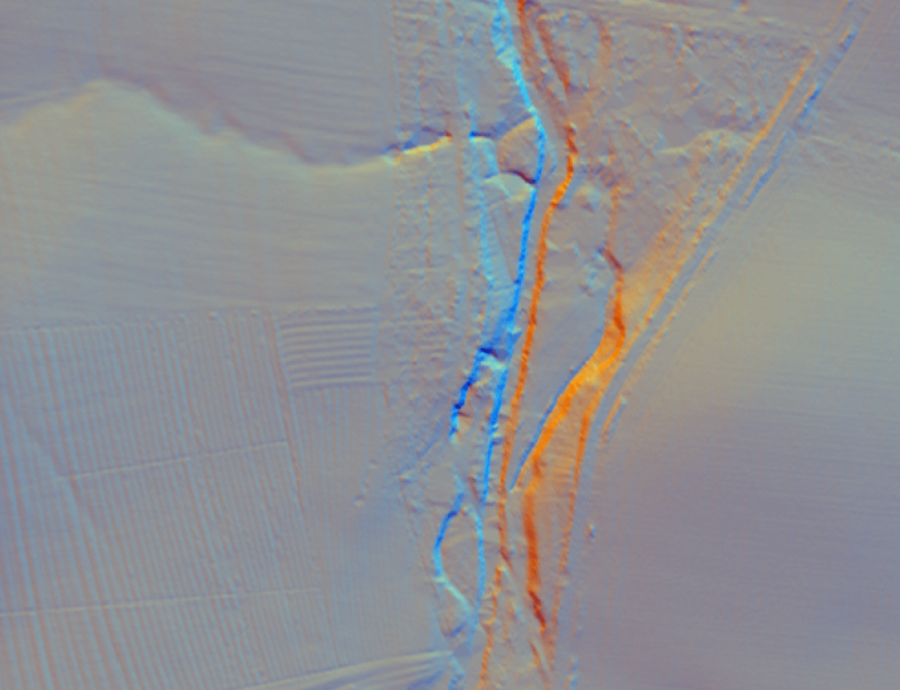
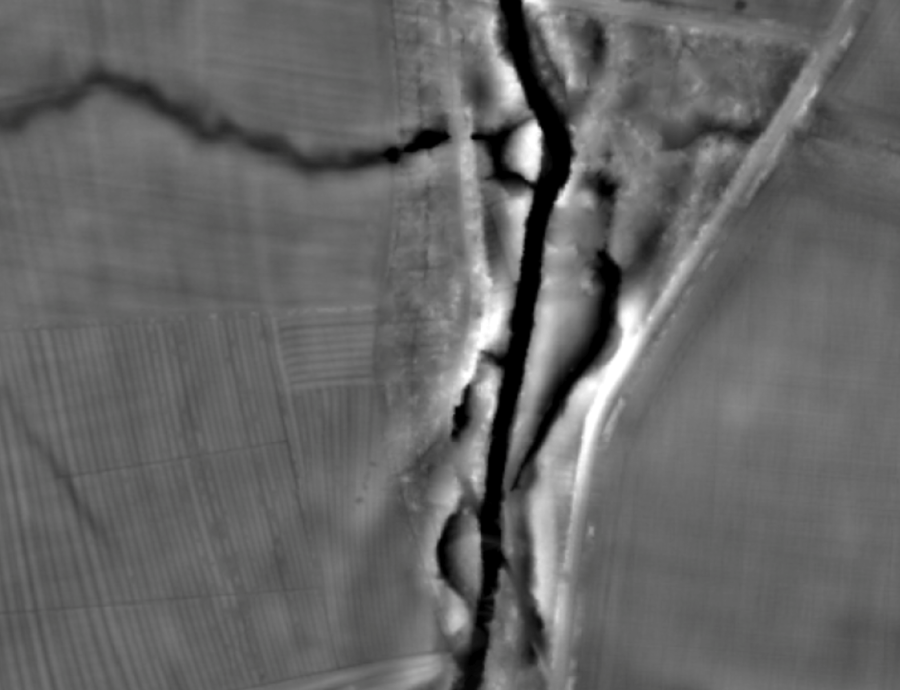
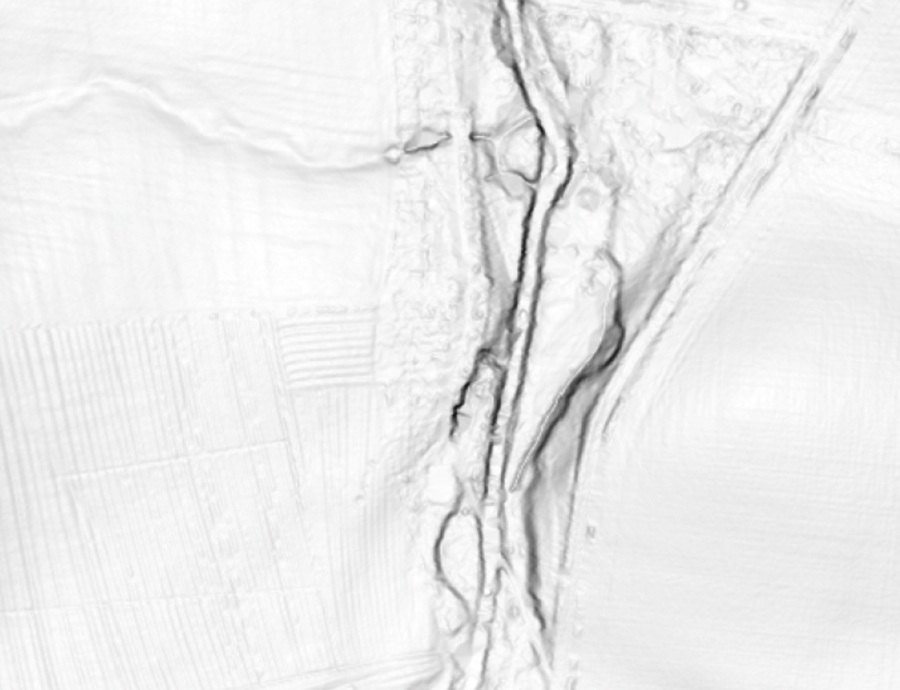
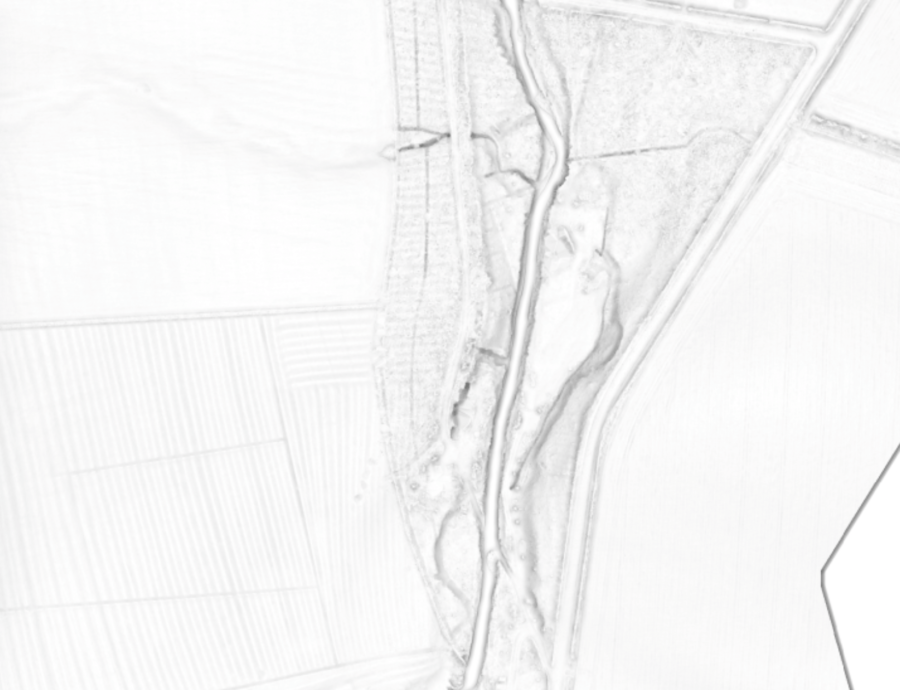

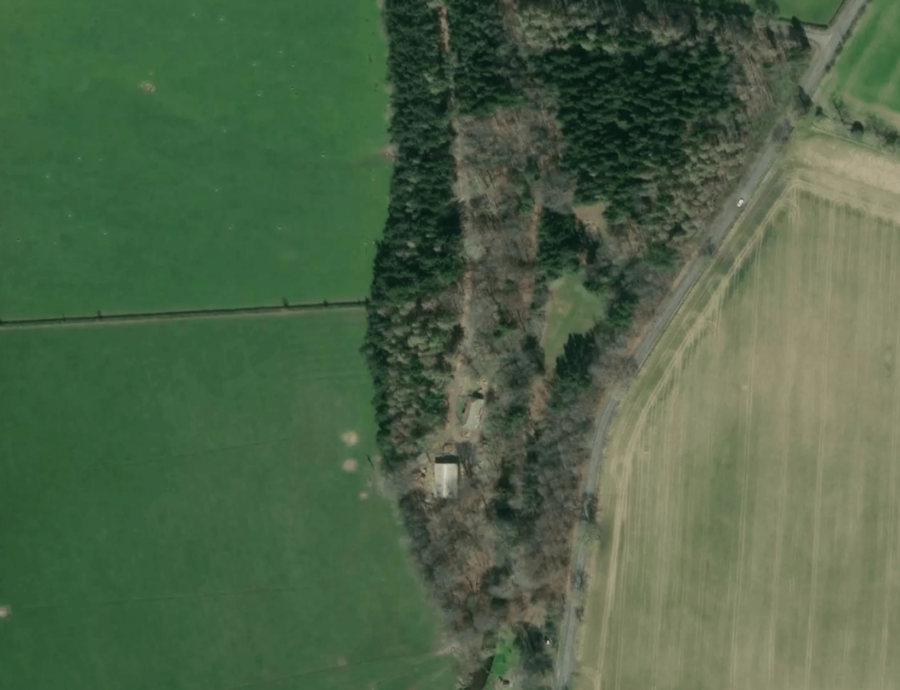
Mills are usually associated with farms, manor houses, or monastic buildings and can be recognised as buildings immediately adjacent to a water source, particularly an artificially modified one. A water wheel is set into the watercourse that has been diverted or modified and the current rotates the wheel, which is connected to geared machinery in the attached mill house. Although they are often found as single examples, they can be constructed in clusters of up to 15.
In Britain, watermills were used from the Roman period well into the 19th century with a rapid increase happening during the medieval period. The earliest water mills were for grinding grain but they were later used for many industrial activities like fulling cloth, and sawing wood or stone.
Tide-mills are a distinct type of watermill, set on the coast, where the head water was created by allowing seawater through sluice-gates into a holding pond on the flow-tide and retaining it on the ebb.
Further Reading:
What to look for:
- Changes in waterways – millrace/sluice/leat/dams
- Possible silted up watercourse due to abandoned mill structures
- Associated buildings or enclosures or remains of such
- Evidence of a pit for the wheel