Viaduct
A viaduct is a long bridge-like structure composed of a series of arches built to carry a train across a valley or low area.
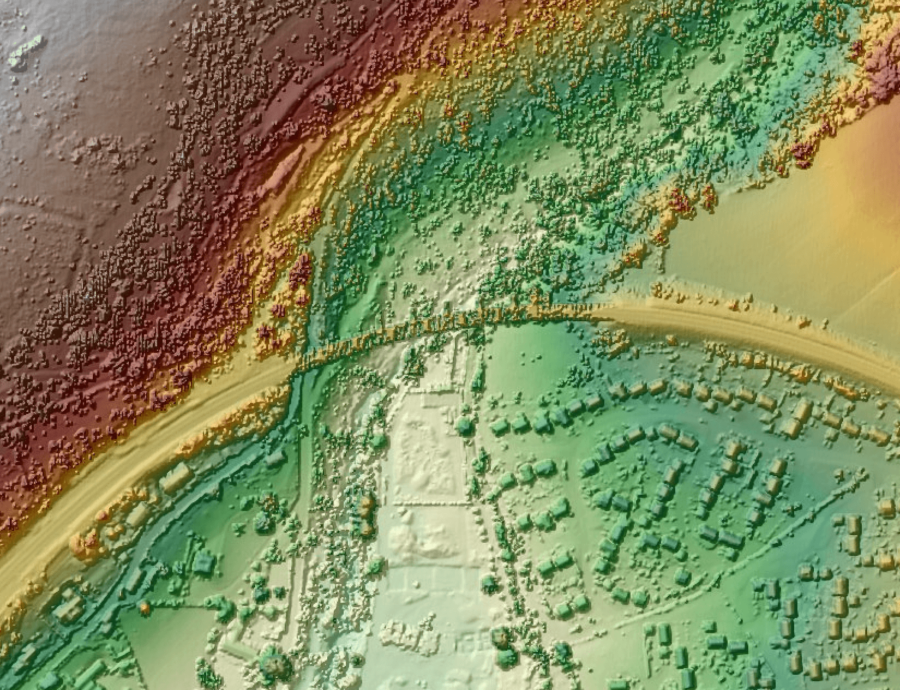
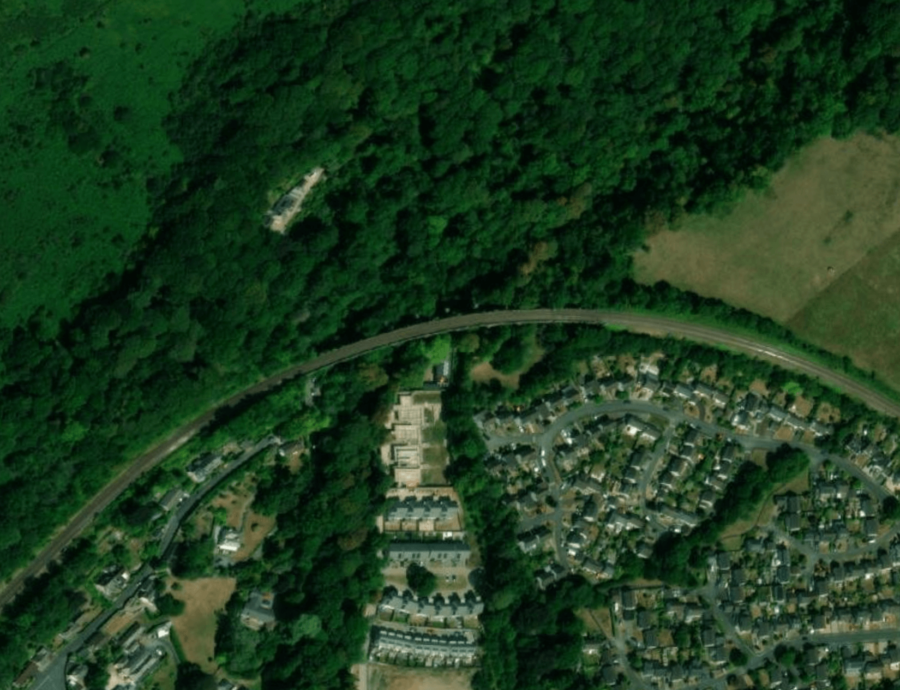
It is different from a bridge because it crosses long areas like valleys in order to create a level path for a train rather than crossing a specific obstacle like a body of water or road. It also and must be composed of arches in order to be considered a viaduct.
Viaducts have been built in timber, brick, stone, iron, steel or a combination of materials. Viaducts were first constructed in the early 19th century and the oldest surviving railway viaduct in the world is thought to be the Laigh Milton Viaduct which crosses the River Irvine in East Ayrshire, Scotland. It was opened in 1812 and is built in dressed stone. These really early structures would have been made for wagonways and then adapted or replaced for use by steam locomotive.
Viaducts ranged in size from low stone arches over local waterways to enormous structures like the Welland Viaduct 1875-78 (1.66km long) and Ballochmyle Viaduct 1846-48 (52 m high).
What to look for:
- Linear or sinuous route through valleys
- Widely spaced footings in valleys