Trackway
A trackway is a pathway that has been compacted over time by the passage of traffic.
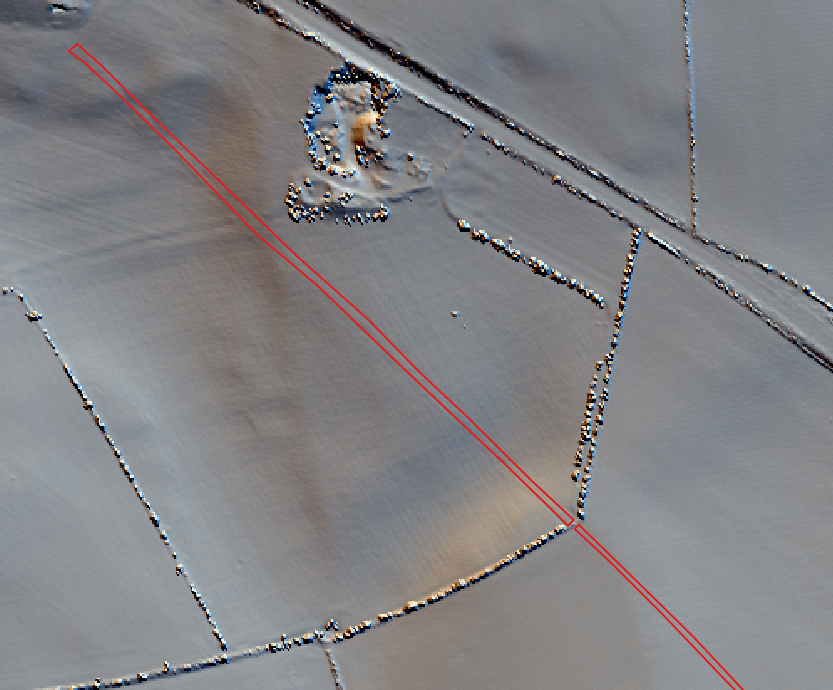
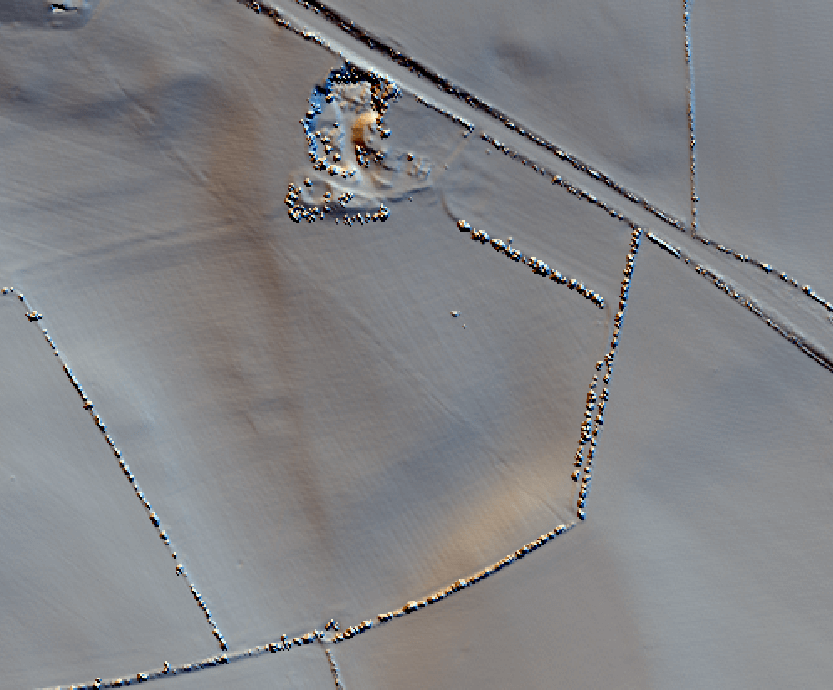


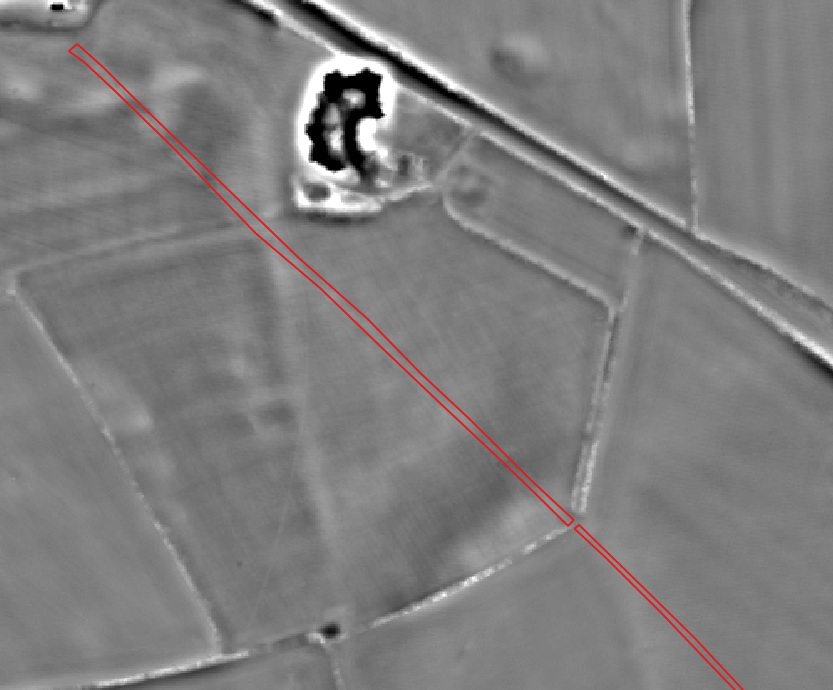
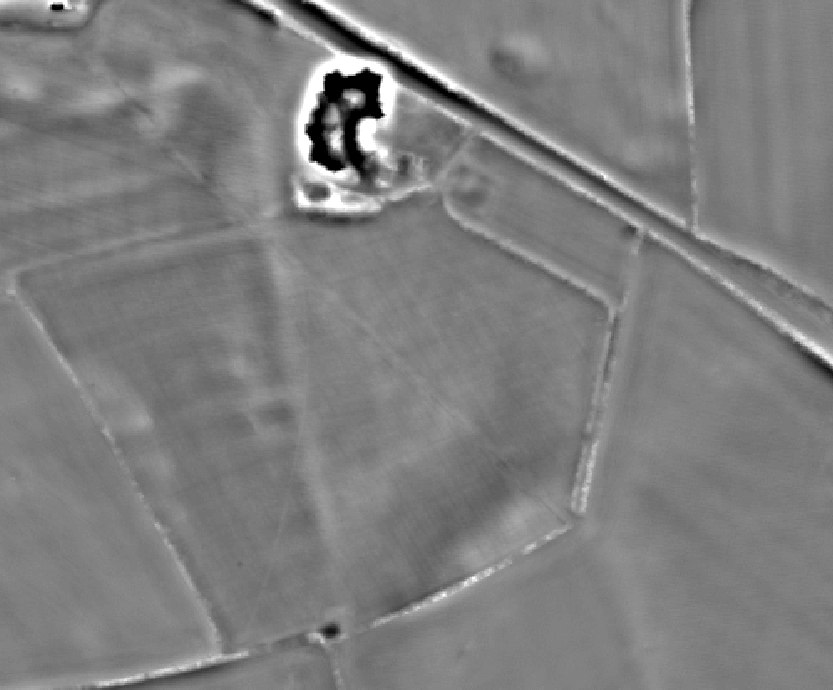

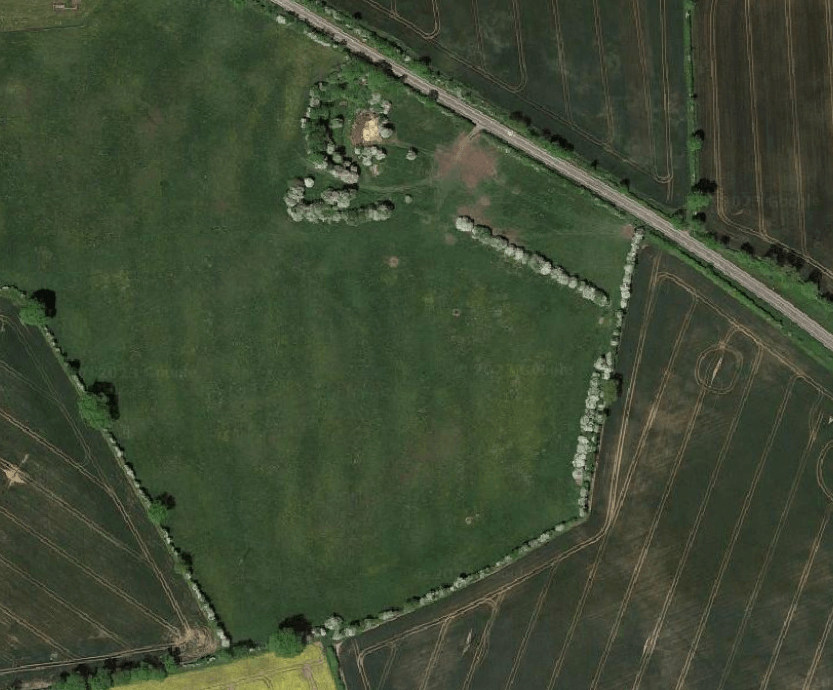
There is a great variety to the monument type, with Hollow Ways themselves a form of trackway, as well as ridgeways, terraced trackways etc.
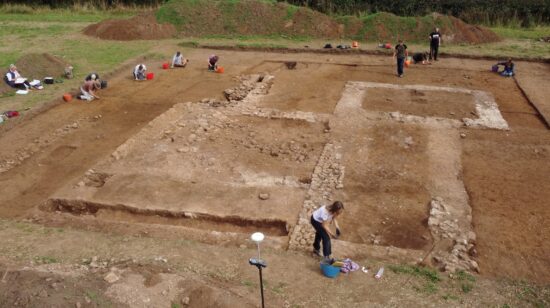
The earliest trackways date to the Neolithic (c. 4500 BC) when permanent settlements emerged. Common routes between dwellings, fields and other sites formed through continued use. Prehistoric routes include the long-distance ridgeways that followed the high ground of chalk and limestone hills, and timbered trackways preserved in low-lying waterlogged areas.
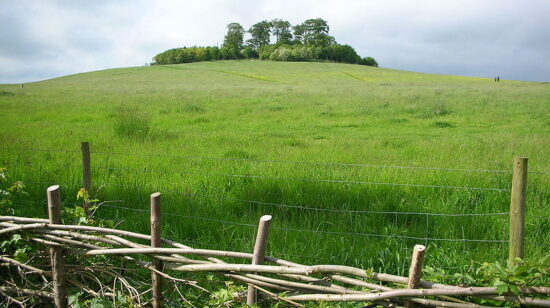
A trackway can be difficult to define by its appearance, and many trackways survive today as modern roads, field boundaries, farm tracks, bridle paths and footpaths. Others may only survive as breaks in trees, or as slight ridges or earth banks across fields. Occasionally, multiple lines or paths can be seen, as with ridgeways, allowing for the best route possible depending on season.
Further Reading:
Historic England’s Introductions to Heritage Assets: Pre-industrial Roads, Trackways and Canals