Road
A road is a route used by horses, travellers on foot or vehicles that has been deliberately engineered and runs for a long distance.

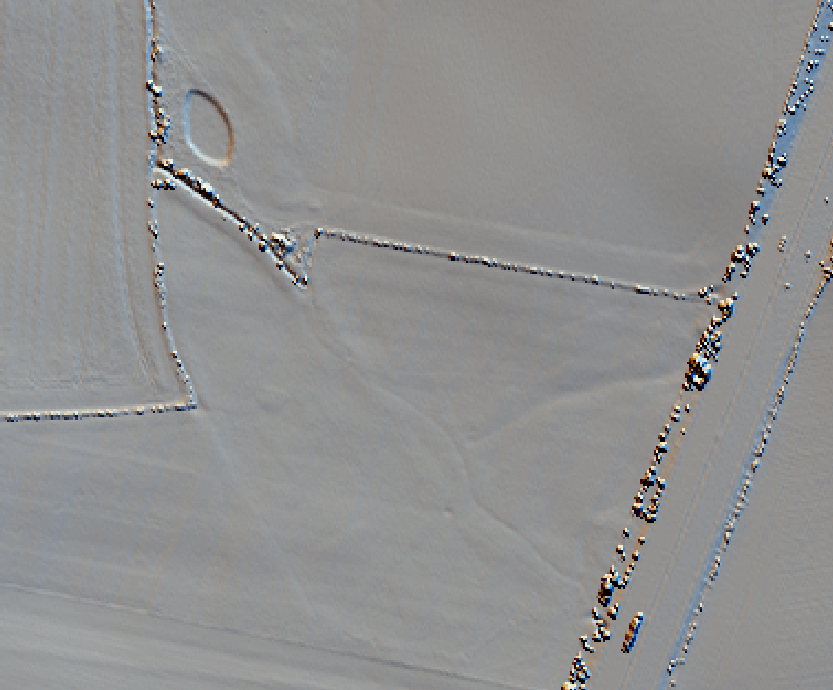

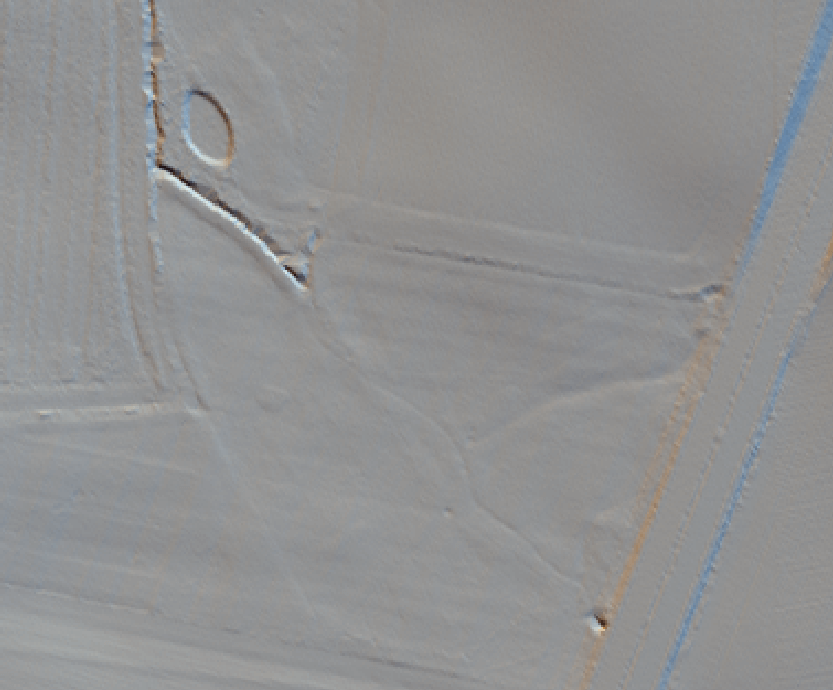
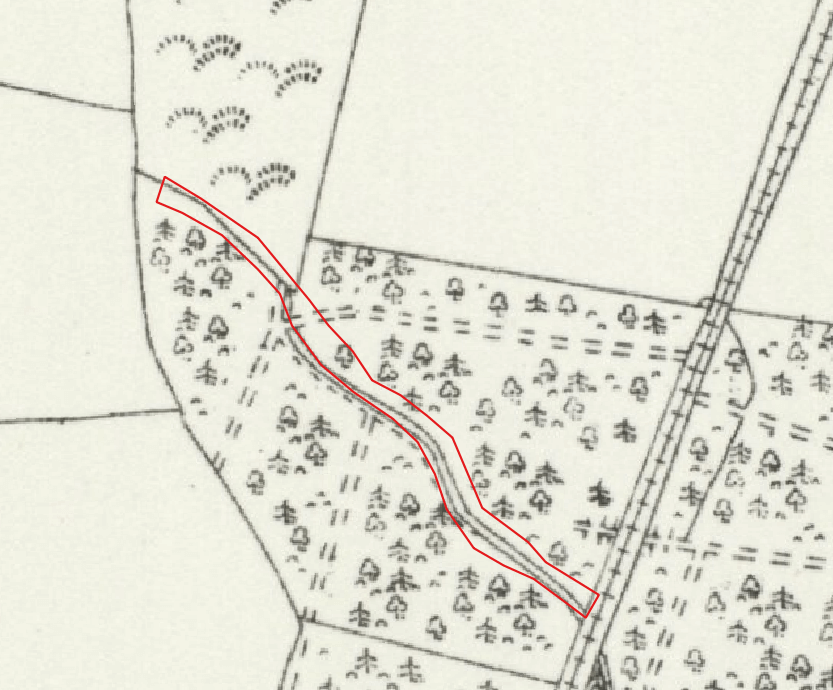


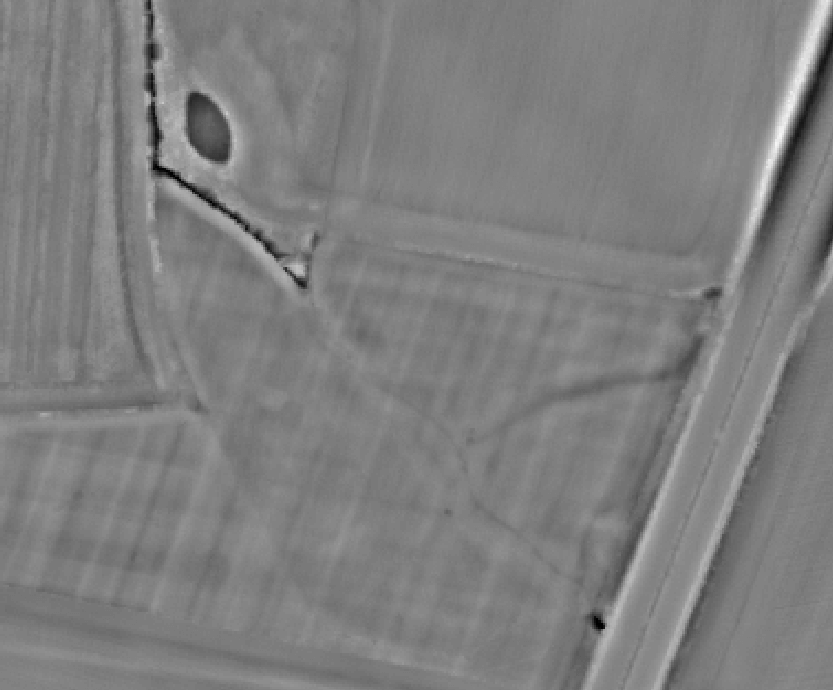

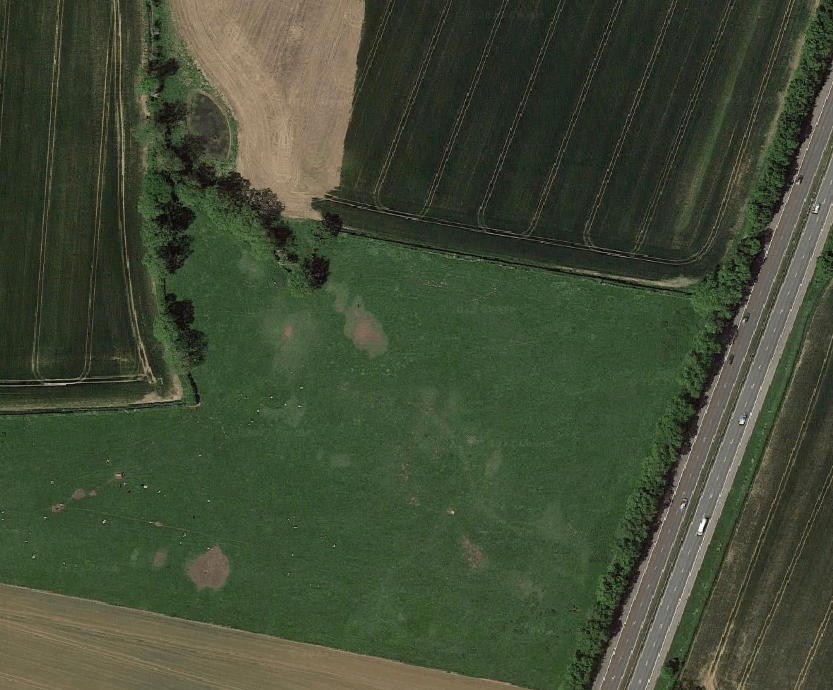
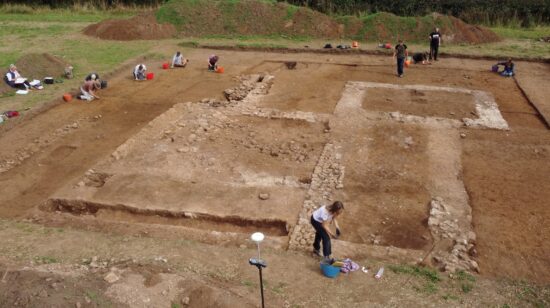
Roads are normally major routes running for long distances between settlements. Roads were long thought to have been introduced by the Romans but there is evidence for earlier, Iron Age cobbled roads from modern excavation.
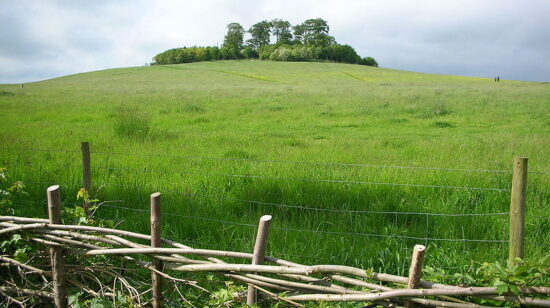
The Romans did however build an extensive network of engineered roads that sped the transport of messages, troops, and supplies between settlements. The route of Roman roads can often survive in sections along modern roads or later boundaries, most often characterised by their straight or angled course which does not follow the easiest route or natural lie of the land. Their metalled (paved with aggregate or stone) surface was also accompanied by an embankment, side ditches or quarry pits, and a cleared strip on either side.
Medieval roads, though less often metalled than their Roman predecessors, also connected major towns and were particularly densely concentrated in London and southern England.
Further Reading:
Historic England’s Introduction to Heritage Assets: Pre-industrial Roads, Trackways and Canals
What to look for:
- Width of between 5m and 10m
- Routes with straight stretches
- Signs of angles (or even zig-zags) when the route changes, often when the gradient changes on hilltops or higher ground
- Shallow side ditches which tended to be U-shaped and 1-2m wide
- Stone kerb revetments or cobble layers to form the metalled surface (usually a finer top layer overlying larger stones)