Ridge and Furrow
Ridge and Furrow was a ploughing technique that created a series of high parallel raised ridges separated by ditches called furrows.
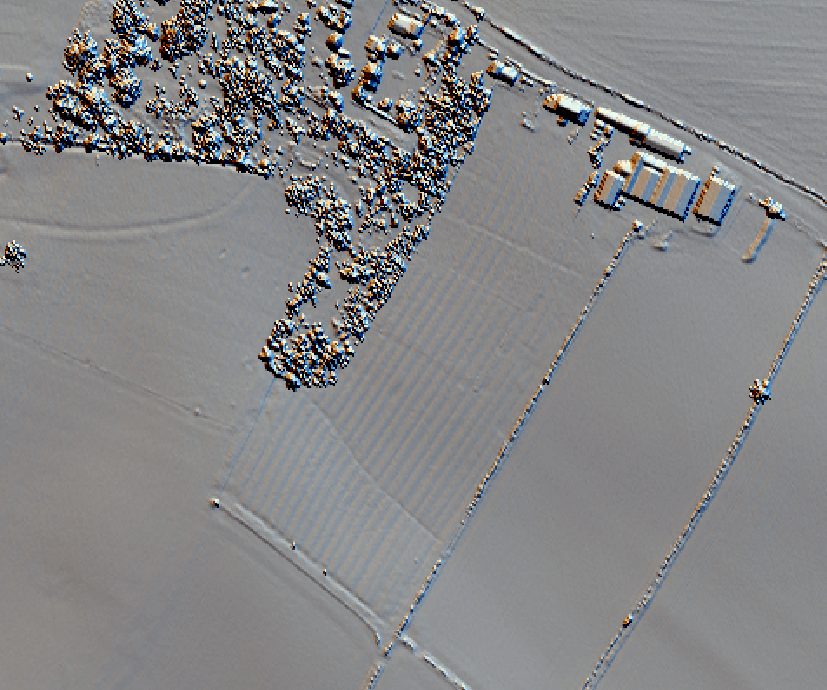


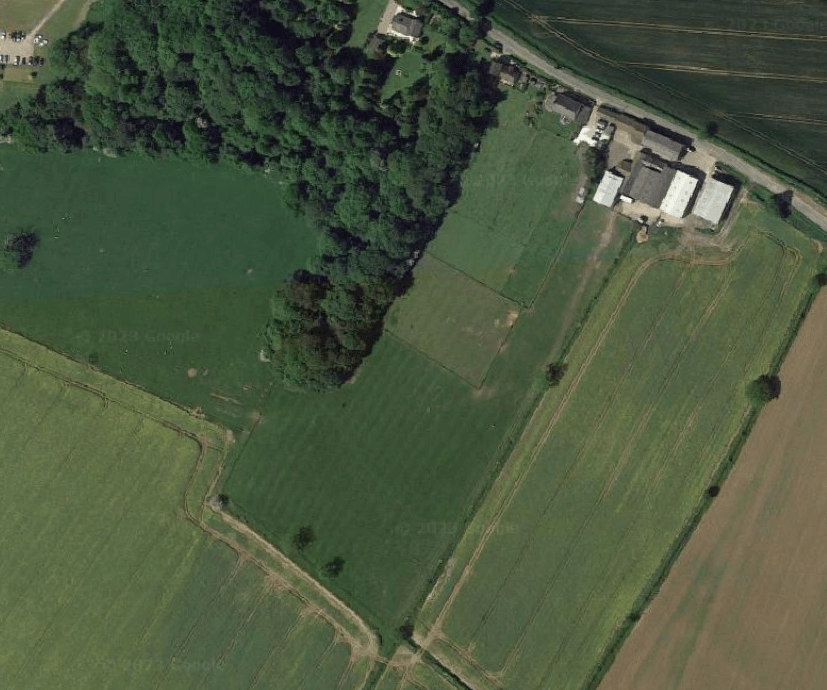

The ridges were formed by a specific method of ploughing that laid strips of turned earth over each other towards a central high point. Plough teams worked in a clockwise circuit, and over larger areas the system tended to adopt an ‘S’ shape that allowed for the turning circle of a plough team at either end of the field. The furrows provided drainage in wet times of year and held moisture in dry times. They also worked as boundaries for individual plots, with each ridge often being farmed by a particular tenant or owner.
The origins of Ridge and Furrow are at least as early as the 10th century, though it was much more widespread by the 13th. Ridges ranged from 5-20m wide (though can be narrower) and were traditionally a furlong (‘furrow-long’) in length which is approximately 200m but can be longer. Both the size and shape of furlongs can vary from small and irregularly shaped, to more regular rectangular plots.
Further Reading:
Historic England’s Introductions to Heritage Assets: Field Systems
What to look for:
- Long narrow raised strips which can be up to 700m in length and between 5-20m wide
- Form of a reversed ‘S’ in plan, or occasionally shallow curving C-shape
- Fields frequently have a ‘fan’ or trapezoidal shape rather than rectilinear