Quarry
A quarry is a type of mine for extracting stone materials for construction or craft. Quarries are open to the surface and can be dug out of flat land or into the side of a hill or mountain.
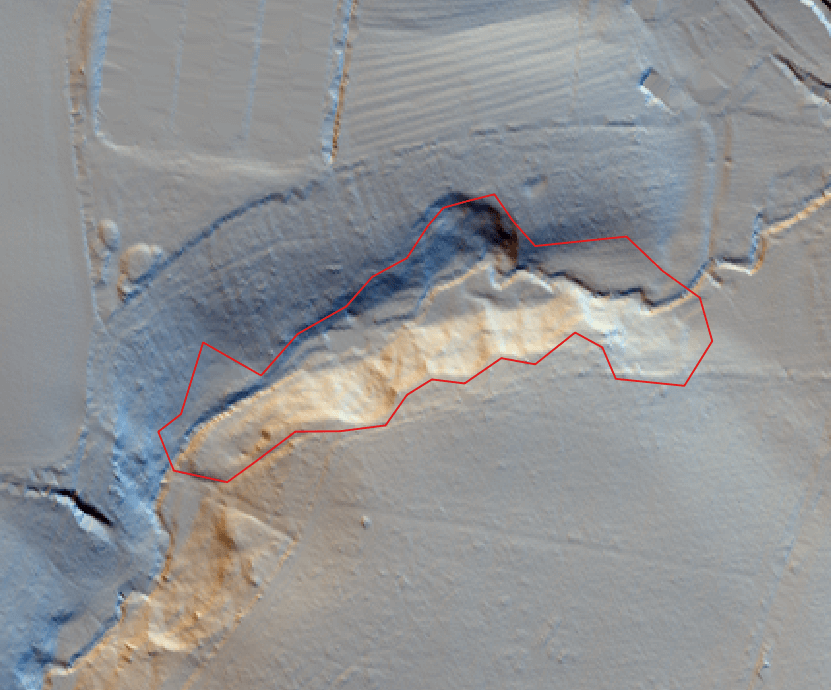
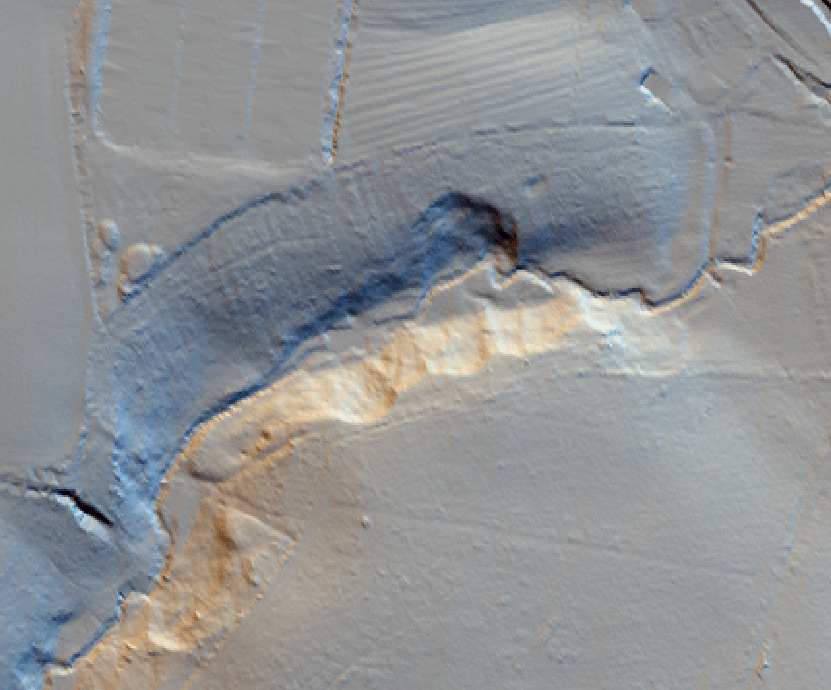

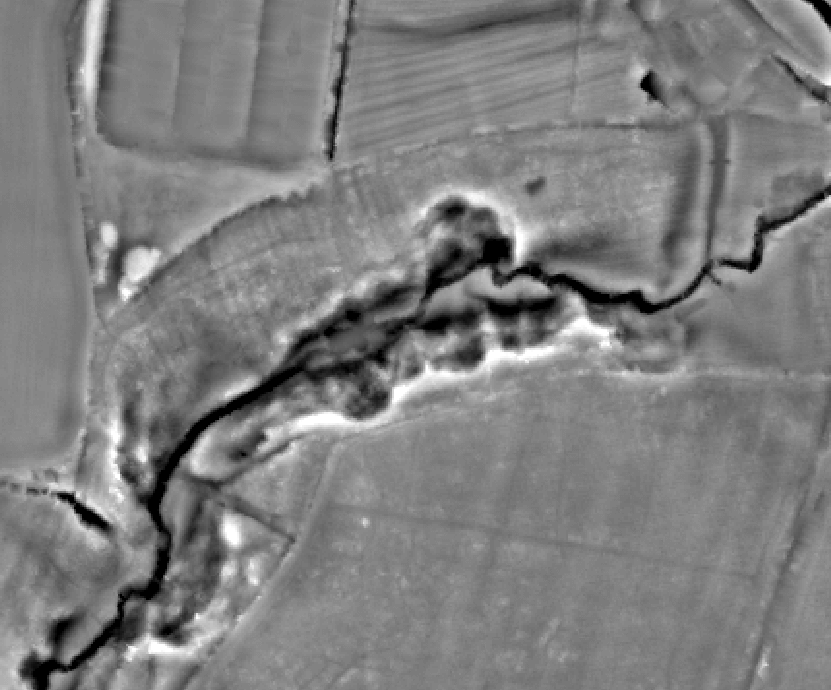


In the Neolithic and Early Bronze Age flint was dug out of chalk deposits to make stone tools. On the surface these quarries can look like collections of 10-15m wide shallow round pits and grassy mounds and when excavated they range from shallow excavations to shafts 10m deep.
Quarries for building stone are often found adjacent to the sites that used the stone, like at Hadrian’s wall. Romans dug long trenches to expose limestone and cut it out in large blocks using hand tools. Local quarrying sites became more common in the medieval period, and could have facilitated extraction of building stone, limestone for lime-making, or gravel.
Quarries may be rectilinear when stone was removed in blocks but they may also look like large irregular open trenches or a series of small depressions depending on the resource being extracted. Abandoned quarries may have the remains of blocks of stone in varying stages of production.
Further Reading:
Historic England’s Introductions to Heritage Assets: Pre-industrial Mines and Quarries
What to look for:
- Overgrown shallow pits alongside small spoil heaps (hummocks)
- No regular alignments to the pits and hummocks
- Long strip quarries with spoil or rubble heaps
- Large open pits with irregular defined edges and associated spoil piles
- Abandoned stone blocks