Pond
A pond is a small body of water that is dug by humans rather than naturally occurring.


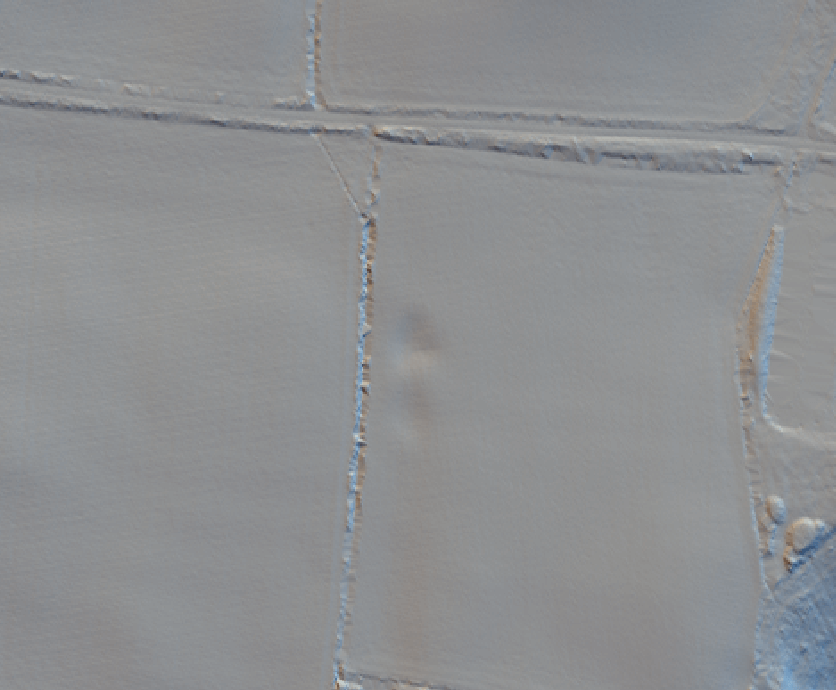
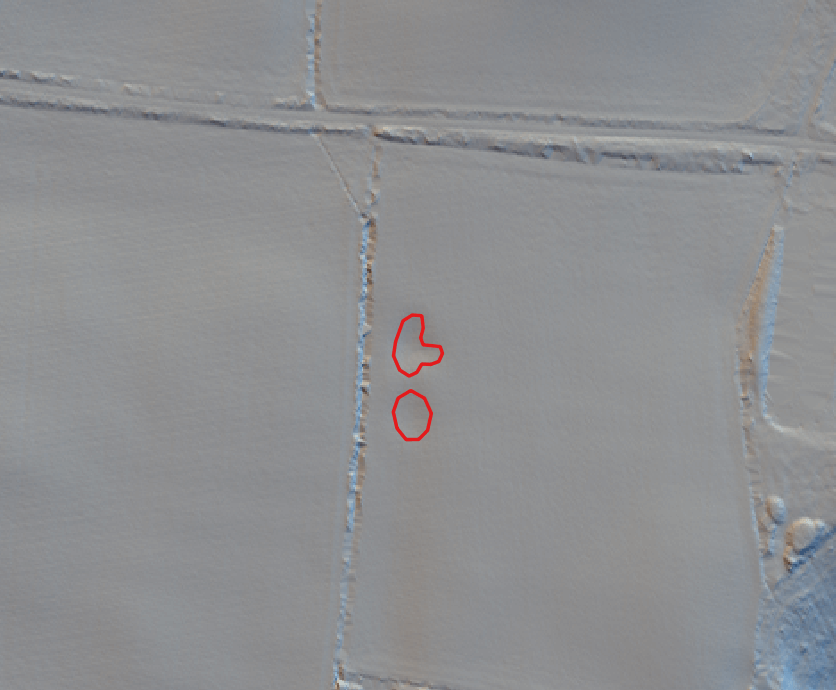
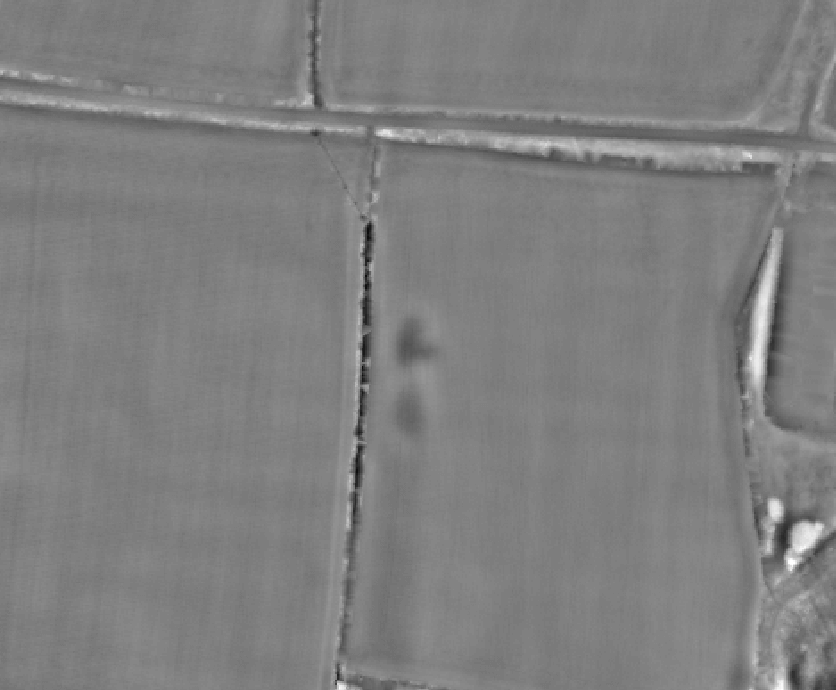


If a natural pond is a part of a water system that has been artificially modified, as in the case of a Watermill, Water meadow, Drainage System, Park etc. it can be considered to be an archaeological Monument.
In order to retain water, a pond feature usually requires clay lining, or enhancement to a depression already naturally rich in clay. Depending on original function, extra channels such as leats or sluices can be associated with the pond, particularly if for industrial use or as a fishpond.
Determining the original function of a pond can be difficult, particularly as the feature may have been filled in or reused long after its original creation. Ponds can have a variety of functions, including providing a regular water supply for animals and people, fishponds, and serving as a consistent source of water to power mills and other water-based industries.
What to look for:
- Often a shallow profile which is shelved
- Some regularity to shape, including circular (such as ‘dew ponds’ for watering animals) and rectangular (e.g. medieval fishponds)
- Kerbs around the edge of the pond and embankment earthworks for associated channels