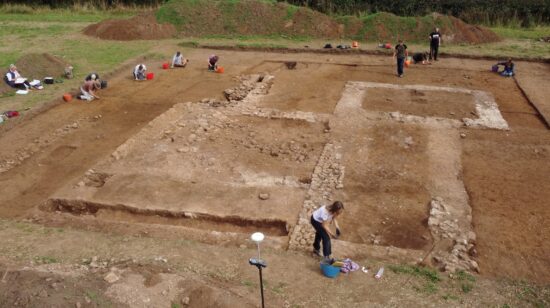
Pillow Mound (Warren feature)
A pillow mound is an earthwork feature of a ‘warren’ which is an area of land modified for the purpose of farming rabbits.


Warrens were first constructed around the 11th century and continued to be in use until the early 20th. They were purpose built to centralise a rabbit colony and make catching them easier. A warren could contain up to 40 pillow mounds, and occupy an area up to 100ha . The mounds themselves were rectangular and flat-topped often with a shallow drainage ditch on either side. They had artificial nesting places built in stone or dug into bedrock.
Pillow mounds are usually found near to old manor sites or in historic parkland. Re-use of earlier monuments like boundary earthworks or mottes was common though these may be harder to identify.
Further Reading:
Historic England’s Introductions to Heritage Assets: Animal Management
What to look for:
- A flat-topped, rectangular-shaped mound
- Usually 15m-40m long, 5m-10m wide and rarely more than 0.7m in height
- A shallow ditch which flanks or surrounds the mound
- A cluster of up to 40 mounds