Moated Site
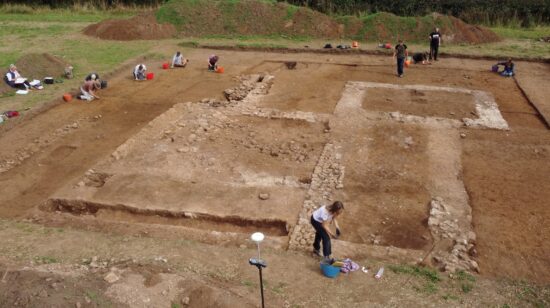
A Moated Site is a settlement that has a wide ditch enclosing an island, usually but not always filled with water.


There are around 6,000 moated sites known in England and the majority date to between AD 1250 and 1350. Most of these would have served as prestigious aristocratic residences, with the moat intended as a status symbol rather than military defence.
Moated sites were highly diverse in their forms and size, although the majority were square in shape, and often the moat itself only enclosed the island on three sides. The majority had buildings on the interior island, though some sites that enclose paddocks or places for horticulture rather than structures are known. They were often the centre of a wider agricultural unit, with associated buildings outside the moat and fish ponds and field systems nearby.
Further Reading:
Birmingham City Council’s Leaflet on Moated Sites
Historic England’s Introductions to Heritage Assets: Medieval Settlements
What to look for:
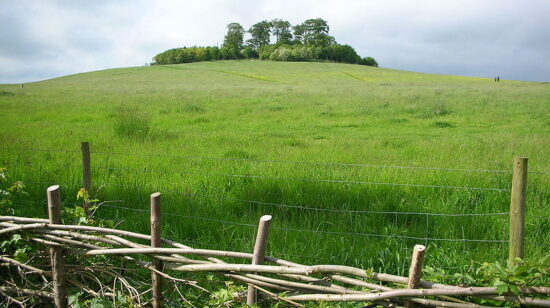
- Signs of a linear bank and ditch which follows a generally square shape
- A location usually near to the church or village
- The ‘manor’ element retained in the house name
- Sometimes adjacent to villages