Mining
A mine is a place where valuable geological materials are removed from the earth.
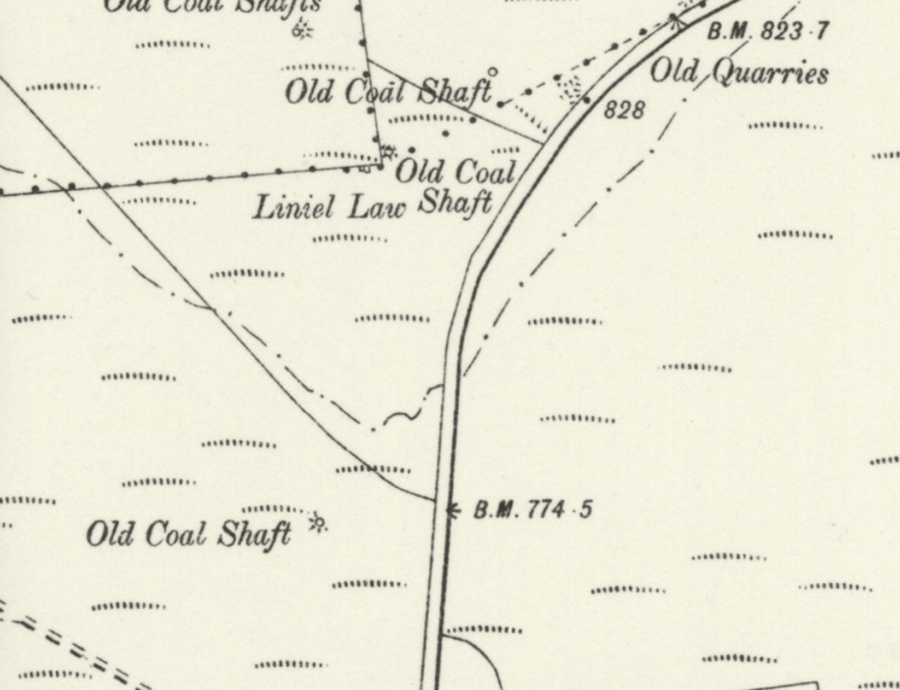
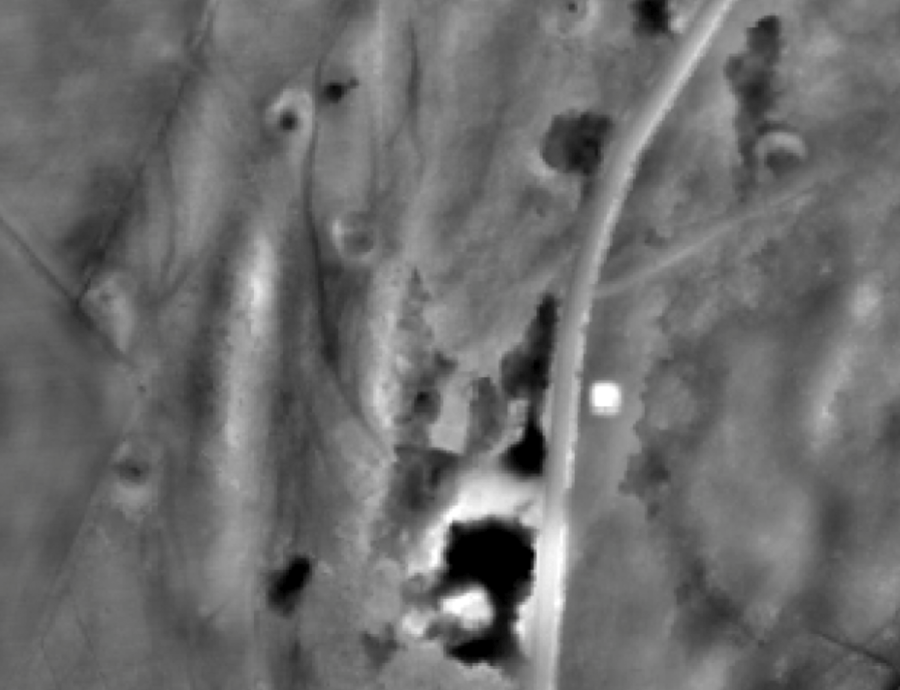

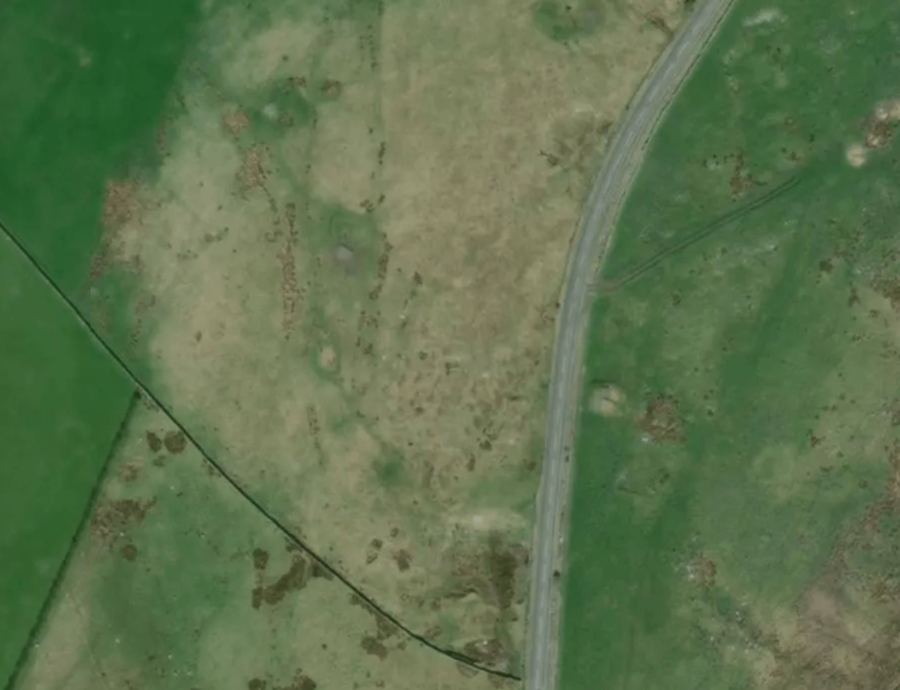
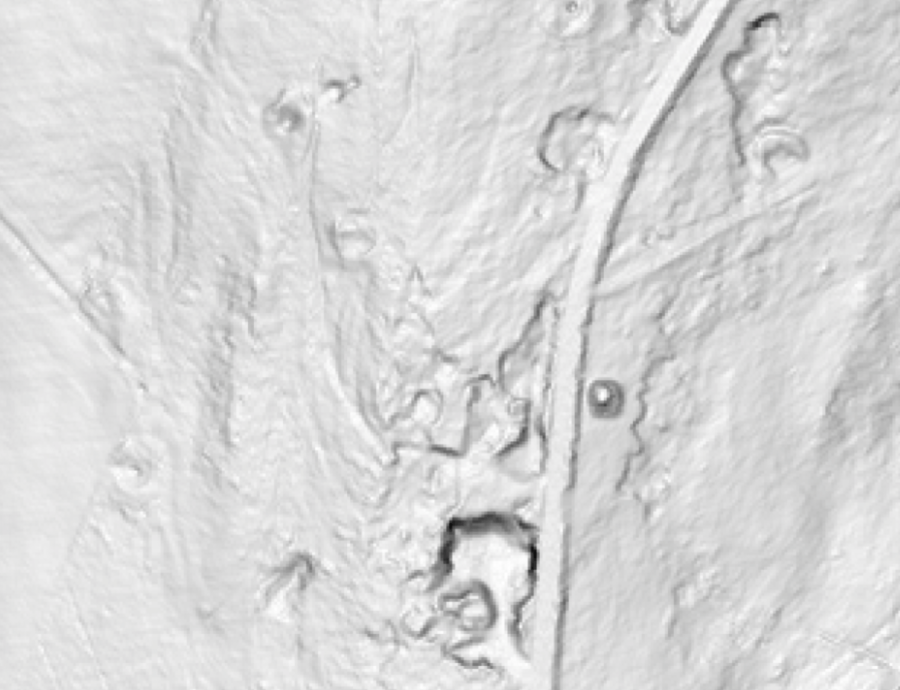

The earliest evidence for mining dates to the Bronze Age when tunnels were dug into hillsides with stone, bone and bronze tools to extract copper. Romans mined copper, tin, lead, gold, and silver in vertical mine shafts. These types of shafts were also dug in the medieval period, particularly for coal. The hollows from collapsed medieval mine shafts may still be visible in the landscape, up to 25m wide, often with spoil piles visible around the pit.
It is likely that much of the evidence for early mining, especially for valuable metals, has been removed by later and more intensive extraction.
Mining takes place mostly underground but processing happens above ground. Mines may be associated with buildings for sorting, washing or further processing with roads or railways for transport. Mining also brings unusable earth to the surface and this may be visible as mounds.
Further Reading:
Historic England’s Introductions to Heritage Assets: Pre-industrial Mines and Quarries
What to look for:
- Groups of wide shallow depressions and mounds – Early Mining
- Mounds of spoil or waste material
- Associated buildings
- Associated railways or roads