Military Camp
Military camps are semi-permanent dwellings for an army.
Historically, military camps were made up of temporary structures as armies tended to frequently be on the move. However, when a conquering army needed to maintain control, they constructed more permanent outposts.
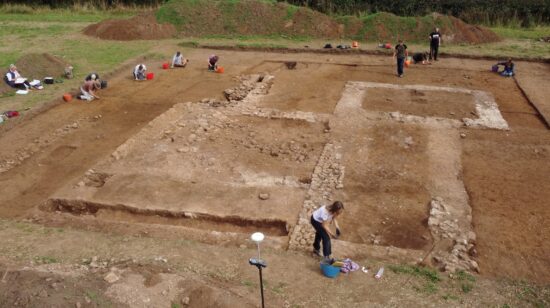
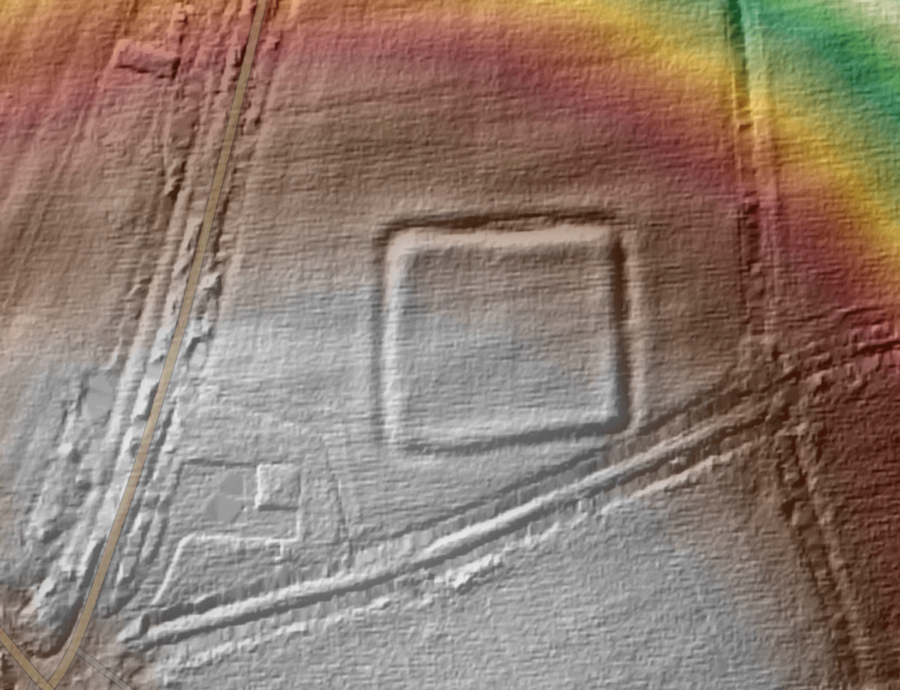
The Romans were the first to build substantial military outposts. These were known as forts and were almost always built to the same model. They were quadrilateral with parallel sides and rounded corners though in the late Roman period they did deviate. They had at least one ditch, and an inner rampart with a palisade on top. The camps were divided by roads in a grid formation and had gateways through the outer defences at the ends of the main roads (usually 4 gates) size and exact formation would change depending on the needs of the army but would follow this general formula.
Later armies didn’t build substantial encampments, rather military camps were temporary and largely composed of wagon trains, and tented buildings that could be packed up and moved whenever needed. British military construction was largely focused on defending boundaries and not housing soldiers. England didn’t even have a standing army at the outbreak of the first civil war. Remains of encampments are more likely to be known from historical records or excavation.
Further Reading:
Historic England’s Introductions to Heritage Assets: Roman Forts and Fortresses
What to look for:
- Rectilinear Enclosures with rounded corners and grid road systems (Roman)
- Historical records