Military Building
A military building is one that is built for purposes relating to warfare and defence.
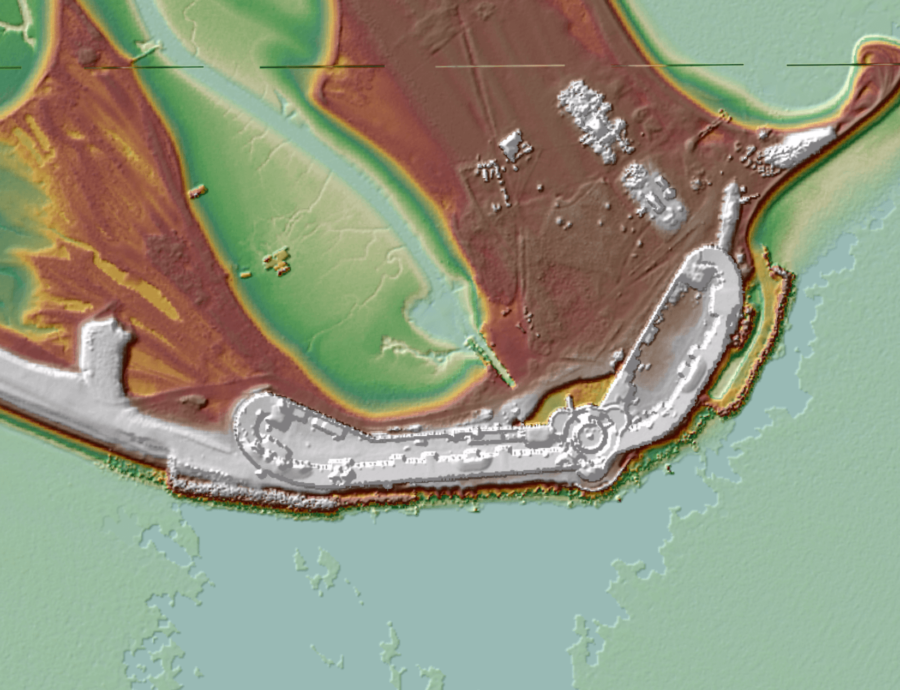


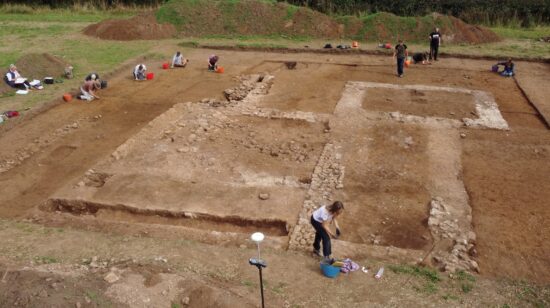
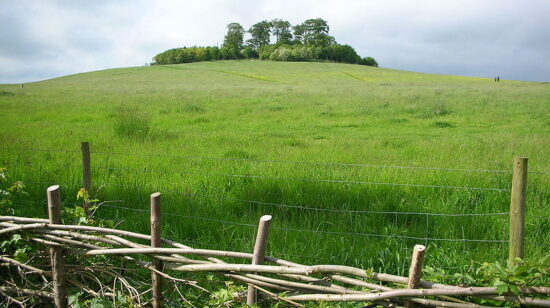
Many prehistoric monuments can fall under this category because they had features for defence, for instance Hillforts and castles. Many of the Roman sites in Britain are military forts and Hadrian’s Wall is a massive defensive structure. A lot of early archaeological sites survive because they were huge constructions fortified for defence.
Early artillery fortifications dating from the 14th to 16th century include; castles, stone towers, and walled towns. Henry VIII had artillery forts built in every major harbour. The Civil War saw massive defensive earthworks emerge as well as siege walls and batteries. Military buildings from this period often have distinctive polygonal outlines to help defend against explosive blasts. Coastal fortifications are particularly common since Great Britain is an island. Naval dockyards, Martello towers and gunpowder magazines are a common feature.
In the 19th century stronger explosives were developed and forts had to be redesigned both for defence and to move storage magazines further from main buildings. Permanent depots for army regiments were strategically built across the country during this period, along with training facilities. Specialist buildings and defences continued to be developed parallel to rapid changes in military technology as the world wars approached.
Further Reading:
Historic England’s Introductions to Heritage Assets: Artillery Defences
Historic England’s Introductions to Heritage Assets: Stone Castles
Historic England’s Introductions to Heritage Assets: Roman Forts and Fortresses
What to look for:
- Evidence of fortified structures
- Complex polygonal plans
- Strategic locations, like high points and harbours
- Historical records