Military Building
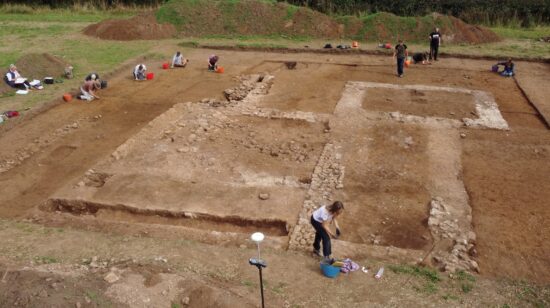
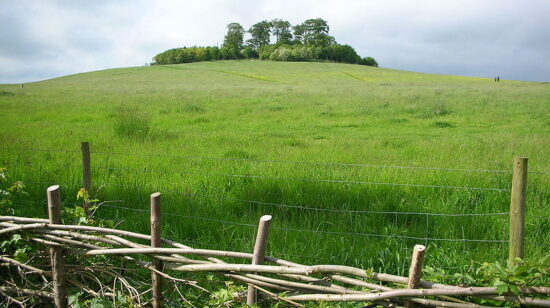
A military building is one that is built for a purpose relating to warfare.
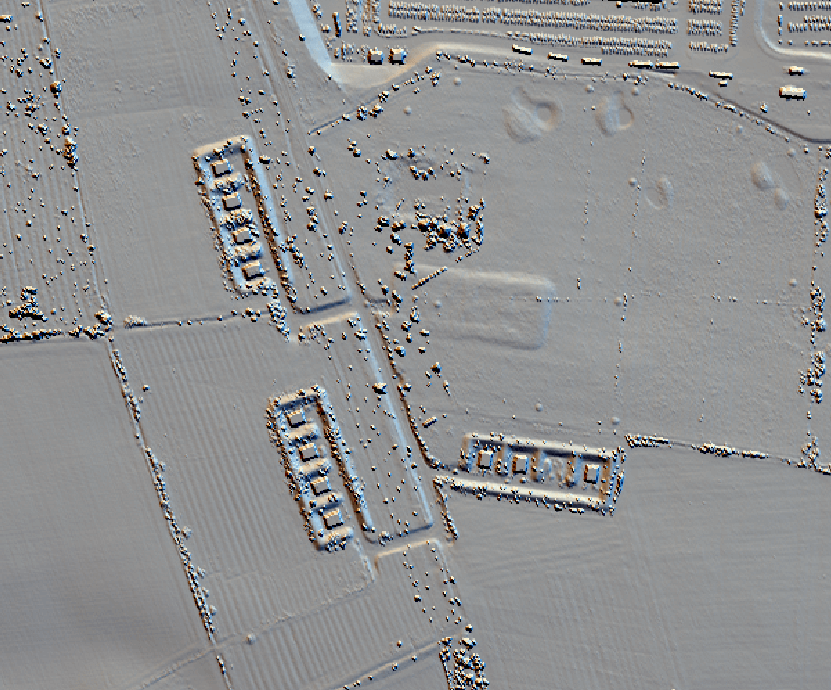
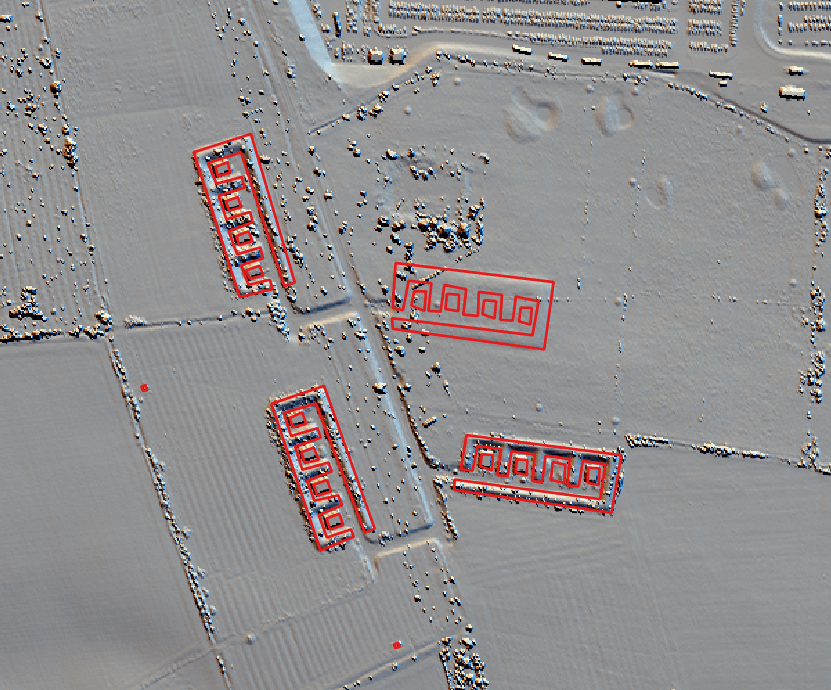
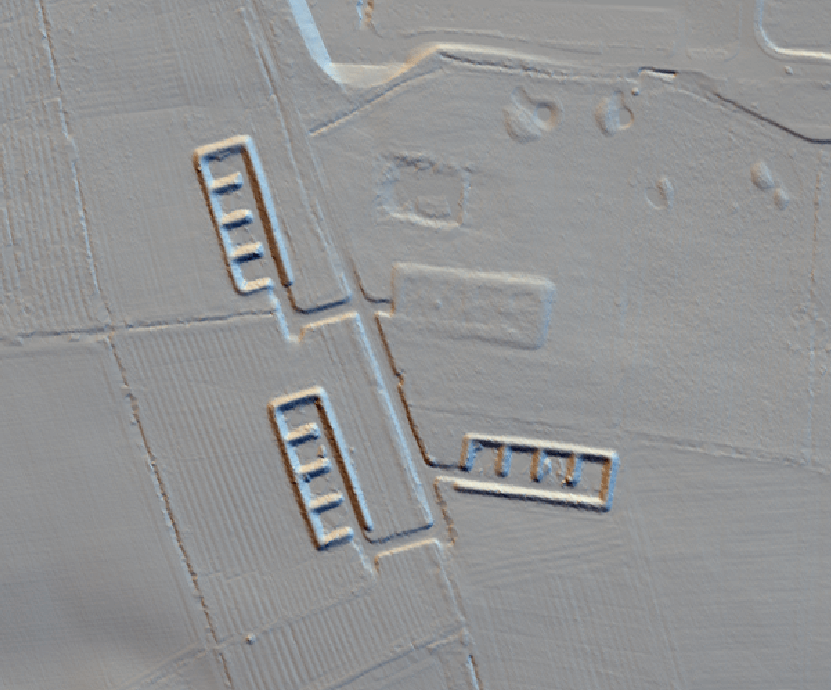
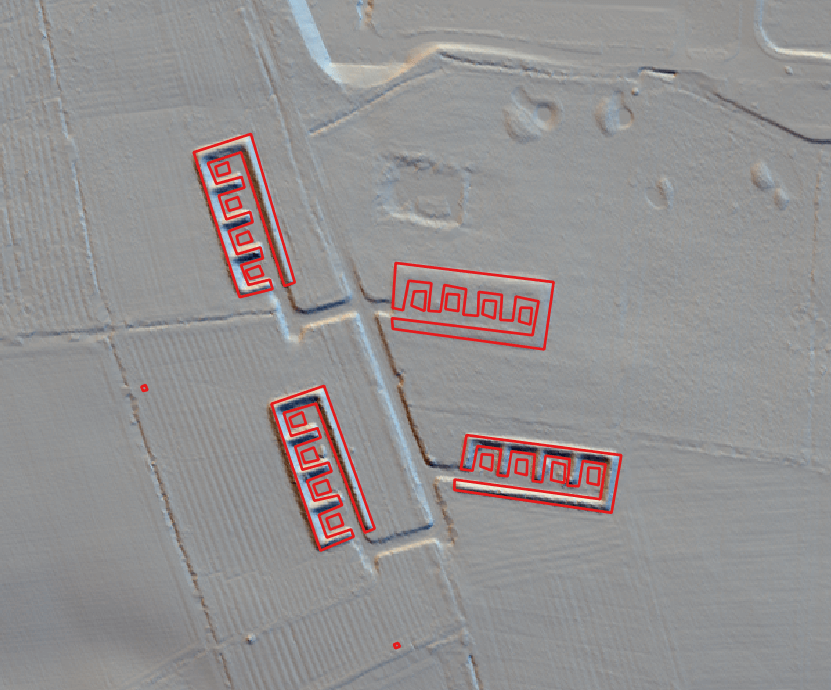
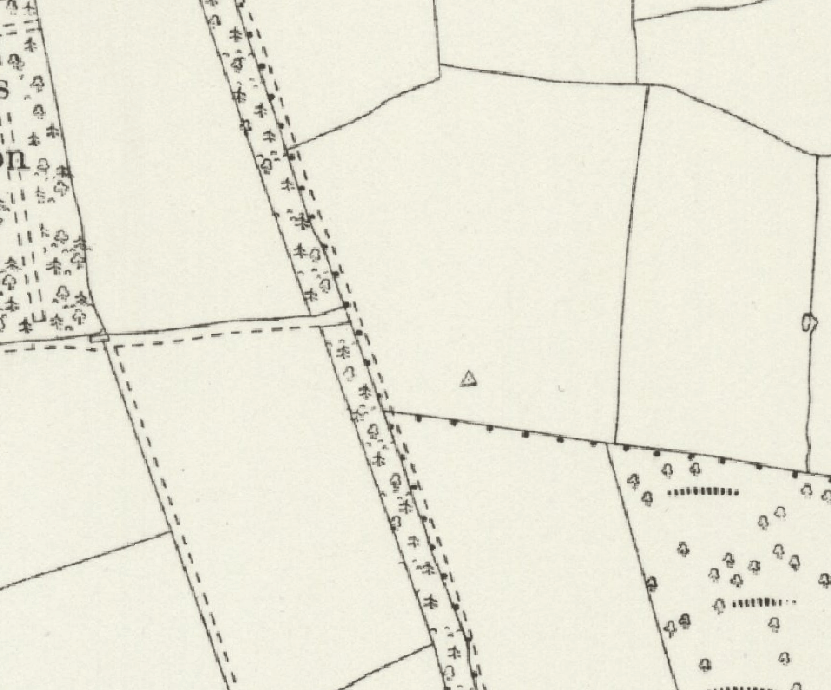
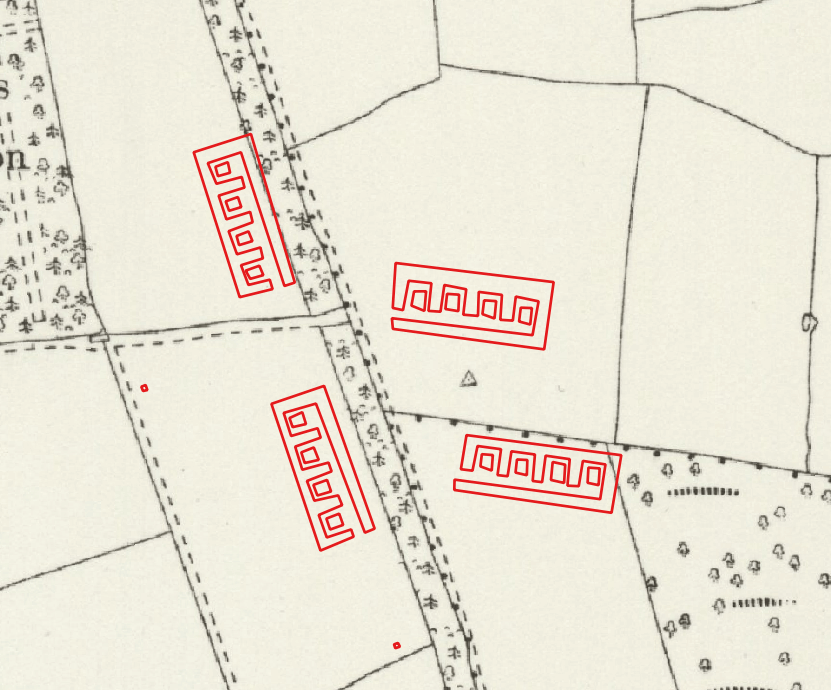
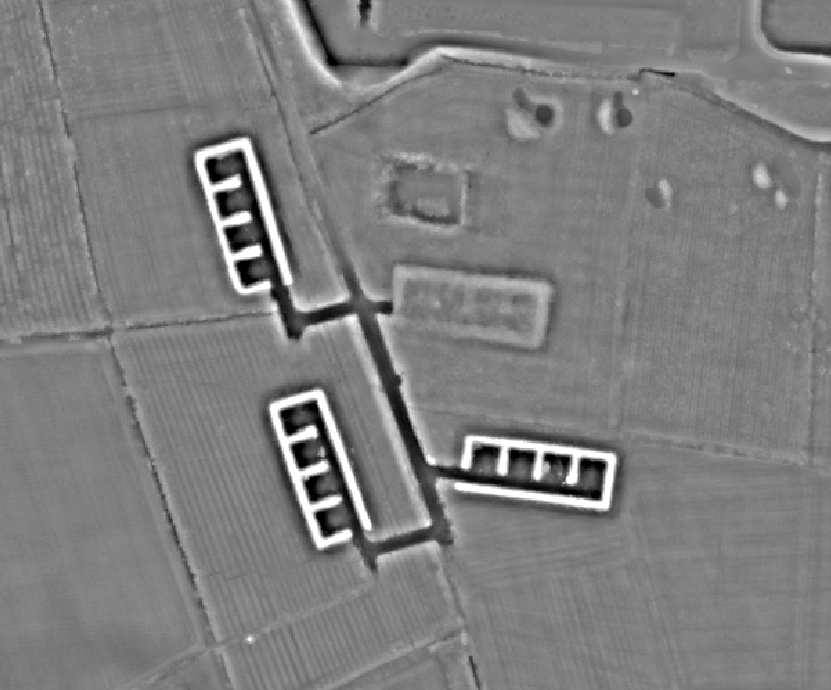
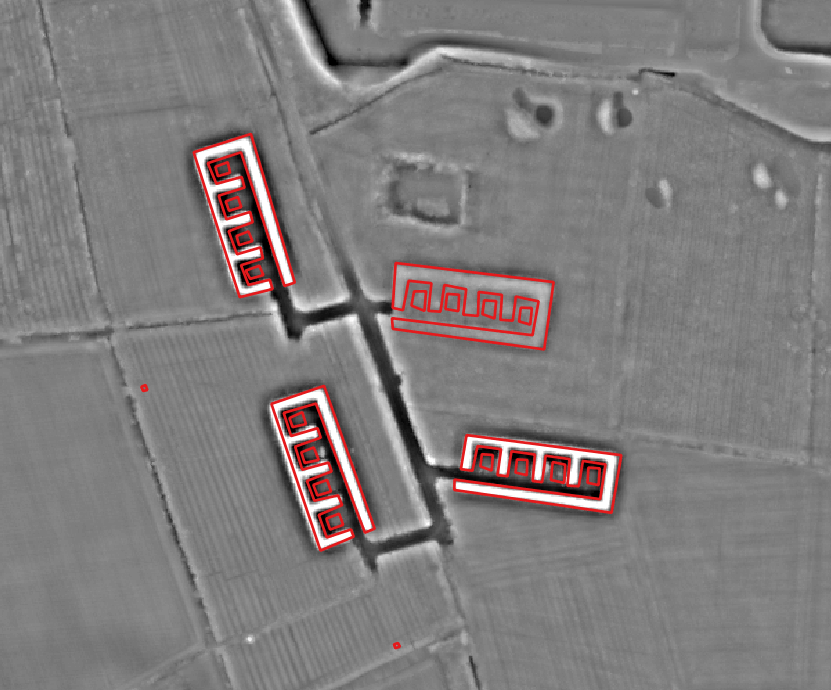
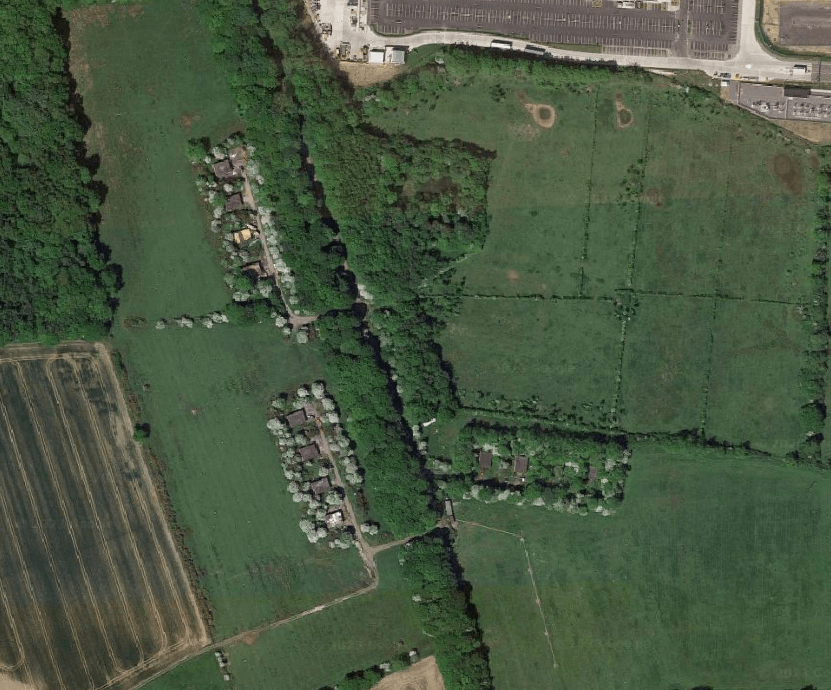
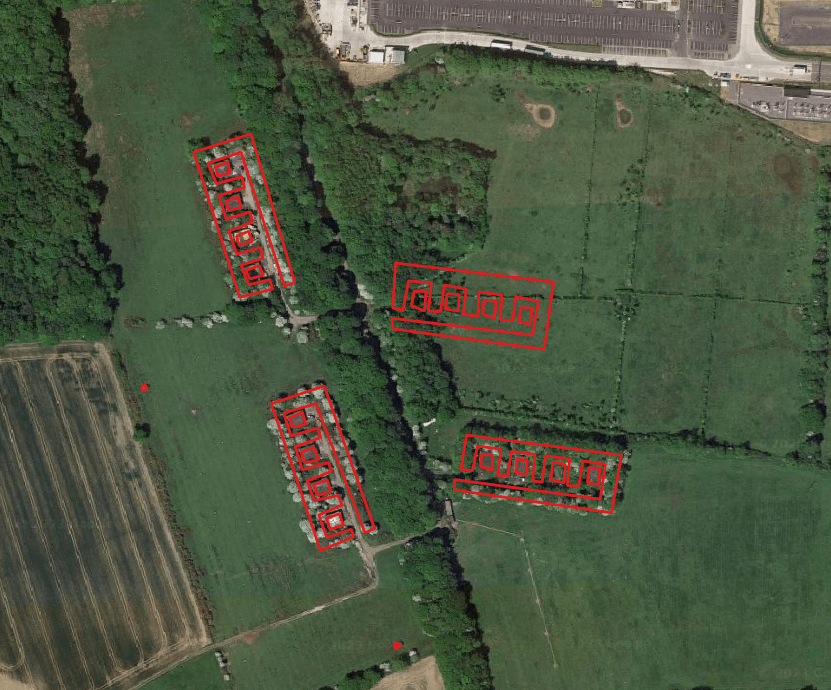
After the First World War, greater emphasis was placed on building permanent military infrastructure like offices, messes, residences and administrative buildings. However, a large portion of buildings were still temporary prefabricated structures.
Much of WWII was fought and won by air so there was a huge investment in designing and building planes and associated infrastructure. Monumental Royal Air Force buildings like colleges and training bases started to be constructed in the late 1920s including stylishly designed officer facilitie. In the leadup to the war, wooden huts and hastily constructed buildings were the norm on temporary airfields. More substantial buildings were added during wartime as needed, including offices, control towers and hangars.
Military Factories also had a huge impact on the landscape. When large-scale weapon and munitions manufacturing was suddenly needed, large factories and warehouses were built with homes for thousands of factory workers alongside. Often, these factories were hastily erected using timber, corrugated iron and asbestos sheets but many, usually administrative buildings, maintained pre-war standards.
Further Reading
Historic England’s Introductions to Heritage Assets: Civil Defence
What to look for:
- Associations with other military evidence roads etc
- Building platforms or foundations
- Proximity to military sites
- Historic mapping information