Military Buildings (WWI)
A military building is one that is built for a purpose relating to warfare.
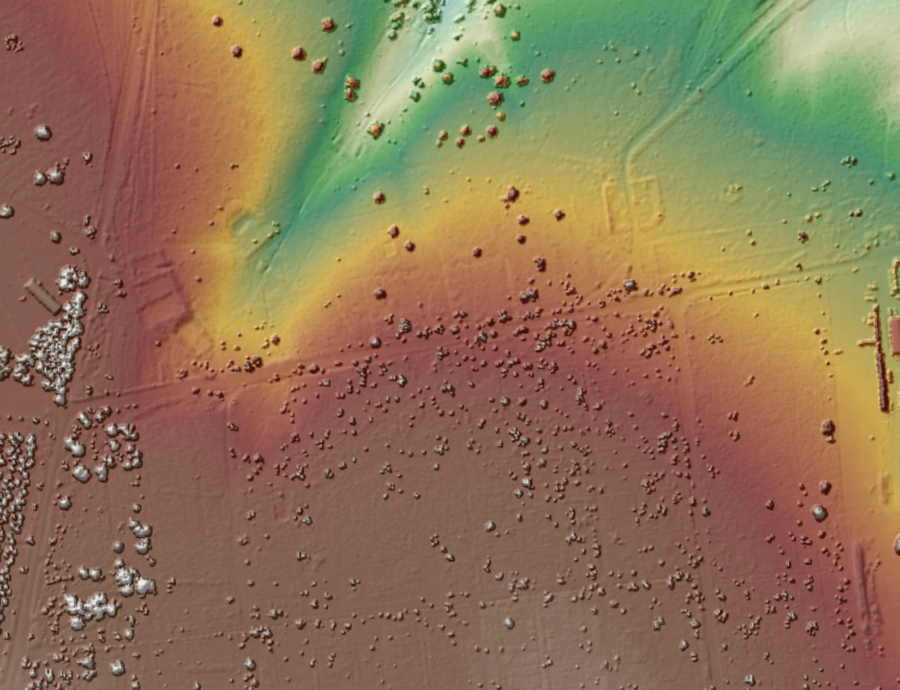
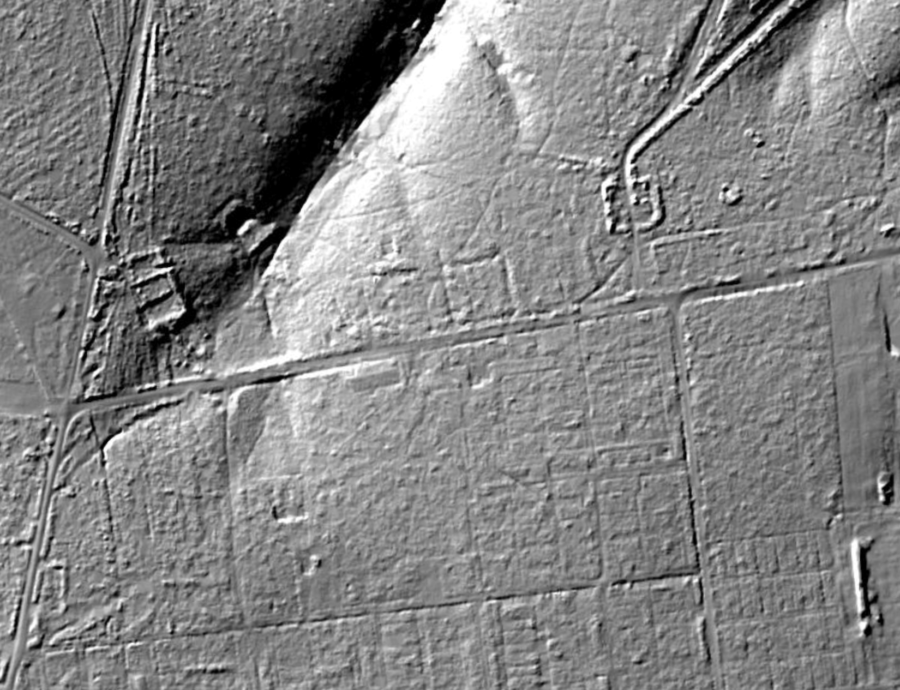
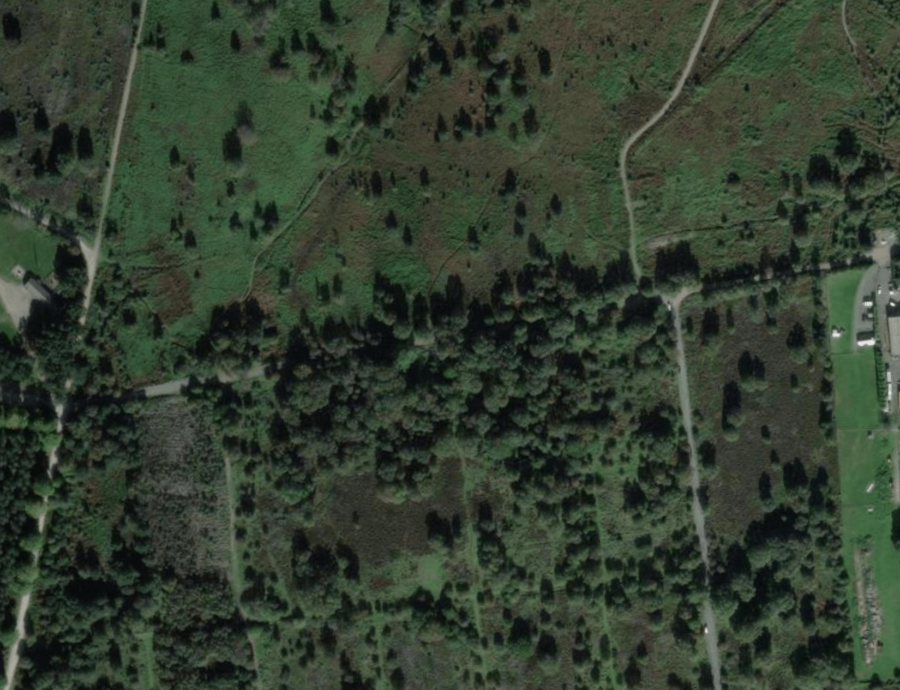
During the First World War buildings were not always constructed to be permanent. Tents and prefabricated structures were favoured because they were inexpensive and quick to erect. Buildings used by higher ranking members of the military are more likely to be permanent structures.
Aviation and its associated infrastructure was a large part of WWI architecture. The number of aerodromes across the UK ballooned from less than 12 to 250 by the end of the war. Airplane hangars were designed as another temporary and quick to build structure so very few of them are still standing.
Factories also had a huge impact on the landscape during wartime. When military manufacturing industries were suddenly needed, large factories and warehouse buildings were built, supported by homes for thousands of factory workers. Often, these factories were hastily erected using timber, corrugated iron and asbestos sheets but many – usually the administrative buildings – maintained pre-war standards.
Although there wasn’t an invasion into Britain, defensive buildings like pillboxes were constructed, particularly on the coast.
Further Reading:
Historic England’s Introductions to Heritage Assets: Civil Defence
What to look for:
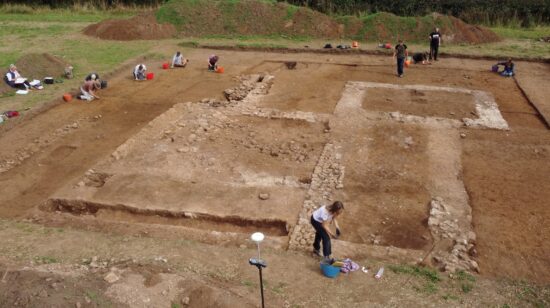
- Building platforms and foundations
- Associated permanent buildings
- Proximity to military sites
- Historic map information