Linear Earthwork
A linear earthwork is a substantial bank usually with an accompanying ditch with a linear course.

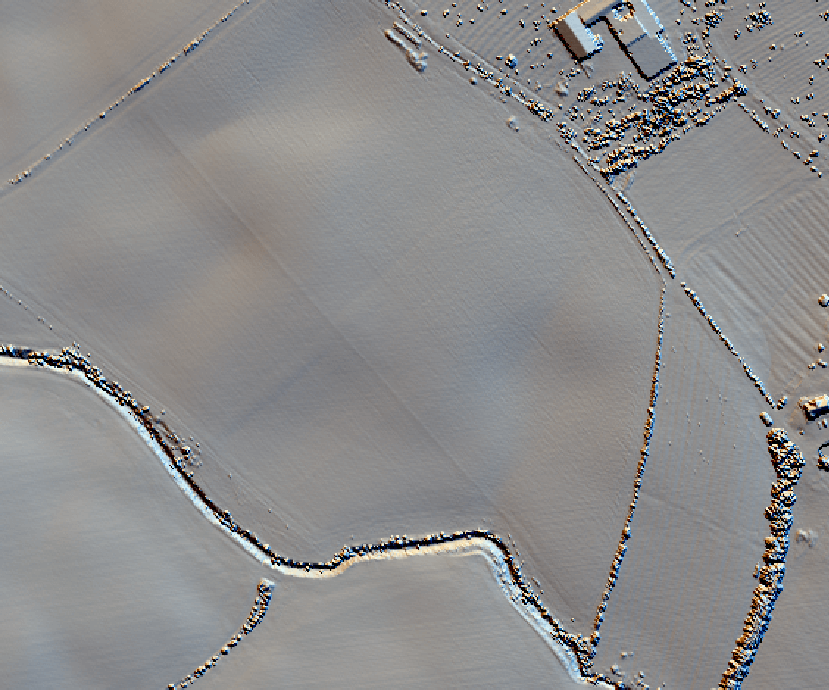

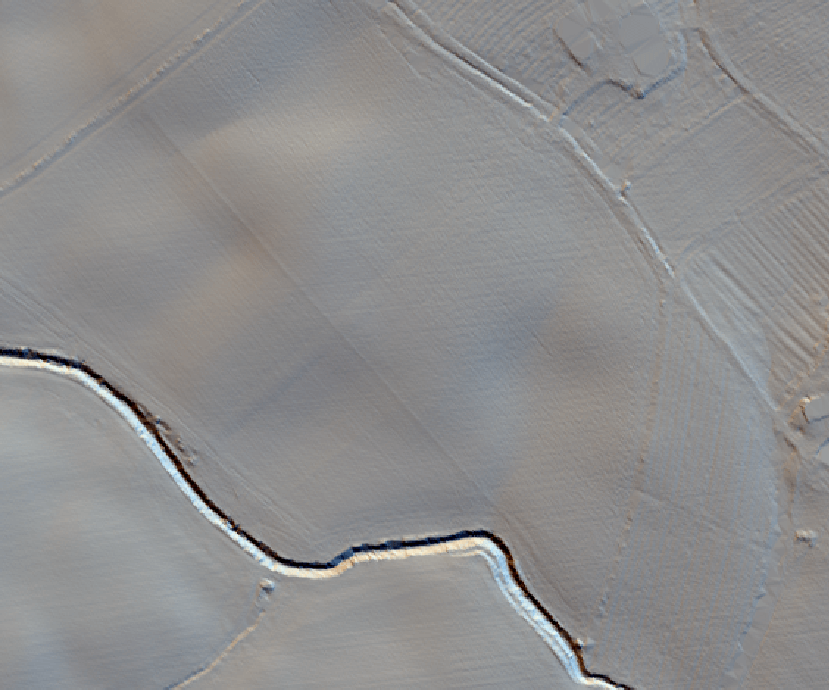

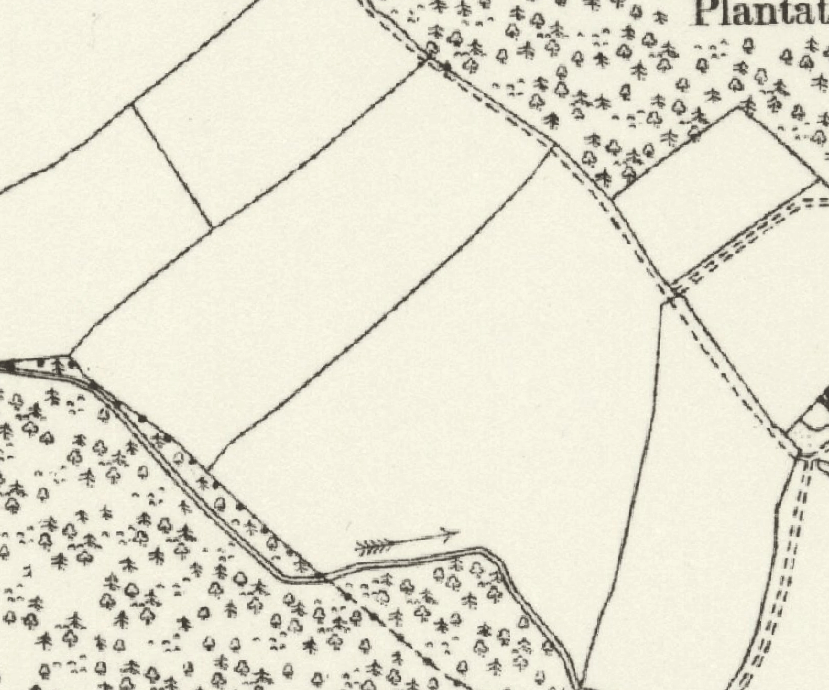


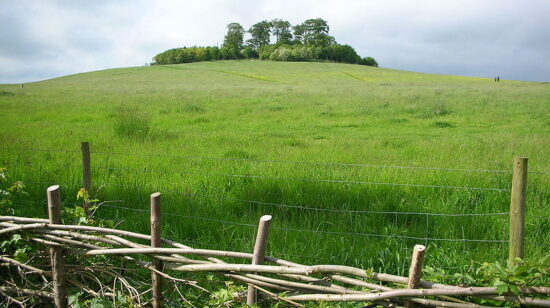
The size and form of earthworks vary substantially. They can be relatively small and low to mark a field edge or kilometres long for the defence of a kingdom. Not all of these earthworks will have both the ditch and bank surviving – ditches fill in over time and banks weather and erode – especially in ploughed areas.
The earliest linear earthworks in Britain date from the Neolithic, but the majority of prehistoric examples date from the late Bronze and Iron Ages. In the early medieval period, substantial banks and ditches were prominent as boundary markers between kingdoms and could range in length from 100m to over 200 kilometres.
Dating earthworks can be particularly difficult, as many have been re-used over the centuries. Studying the arrangement of any visible features and the lie of the land can assist interpretation, though there is much variation.
Linear earthwork is a broad term that can cover many types of feature and can be used in combination with annotations to describe a monument.
Further Reading:
Historic England’s Introductions to Heritage Assets: Prehistoric Linear Boundary Earthworks
Historic England’s Introductions to Heritage Assets: Linear Frontiers
What to look for:
- Associated features such as ditches, fencelines, hedgelines, gravel banks, platforms, etc
- Orientation and general landscape positioning of the earthworks and other features, establishing which were intended to be enclosed/defended and possible alignments