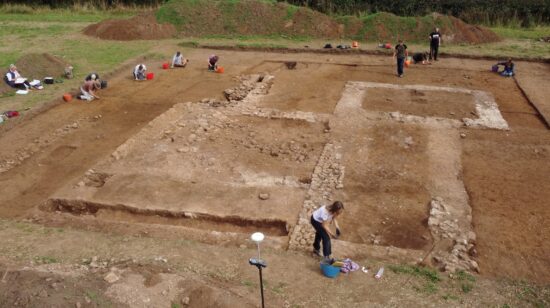
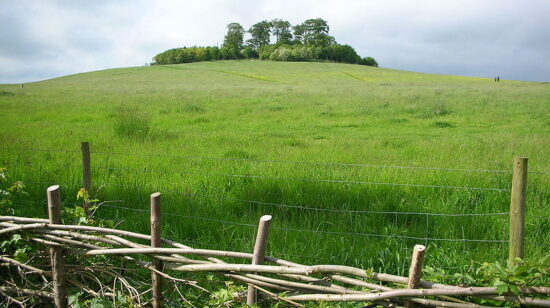
Industrial Site (settlement)
An industrial site is an area that has been used for trades and/or manufacturing activity and is largely characterised by signs of built structures and scattered debris.
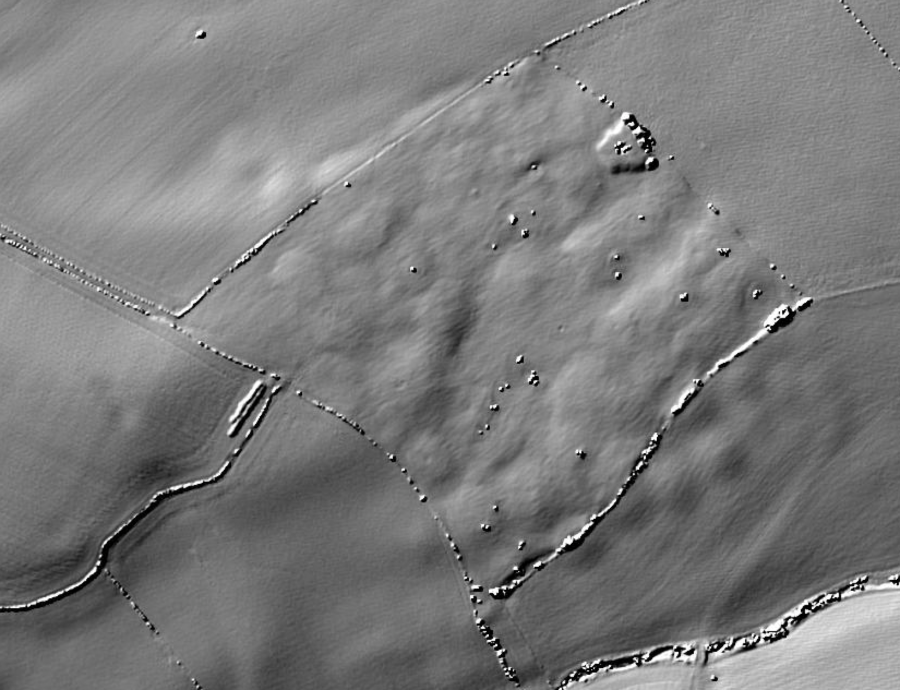
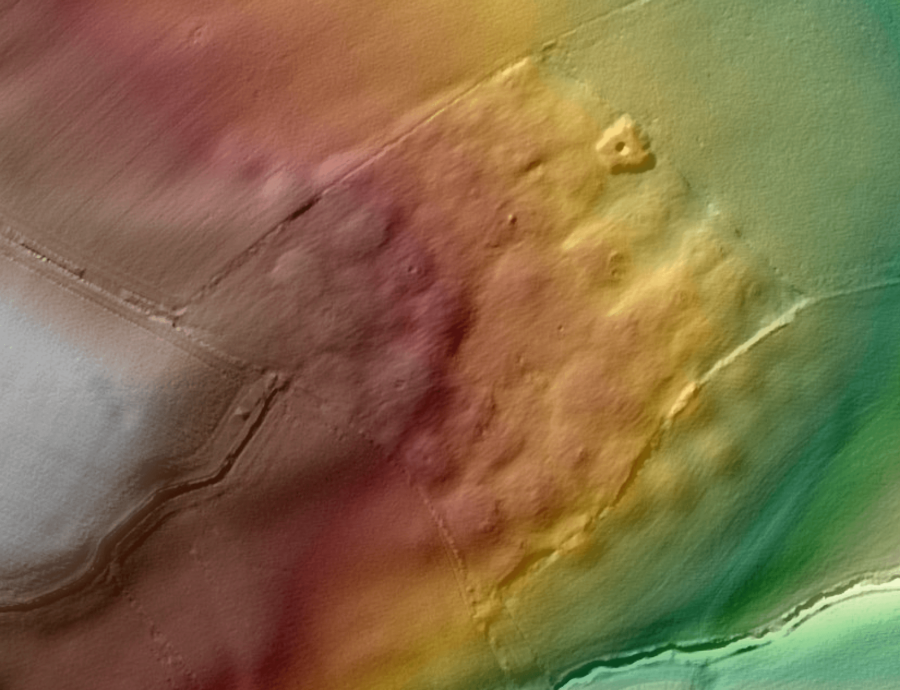

Most industrial sites can be classified as either extraction sites (such as digging for minerals or ore) or areas of processing (e.g. iron, glass, brick, etc), although both coexist frequently. Most sites are of relatively recent origin but Roman and medieval works are known from excavation and ancient exceptions exist, like Neolithic flint mines.
Industrial sites might include more permanent structures such as brickworks, iron smelting bloomeries and cottages, or might be detected by the platforms or terraces associated with activities like charcoal burning, woodworking and mineral extraction. Many of the works can be found in close proximity to the sources of extraction, as with pottery kilns and clay pits, or they may be indicated via their by-products (e.g. traces of waste materials like slag).
Further Reading:
Historic England’s Introductions to Heritage Assets: Pre-Industrial Mines and Quarries
Historic England’s Introductions to Heritage Assets: Pre-Industrial Lime Kilns
Historic England’s Introductions to Heritage Assets: Roman and Medieval Pottery and Tile Production
What to look for:
- Indications of permanent structures such as brickworks, engine houses, bloomeries, etc
- Evidence of water engineering for industrial sites which relied on water power, including hammer ponds, reservoirs, Leats and Mill Races
- Associated extraction pits or spoil heaps
- Unusual vegetation which thrives in mineral waste sites, or lack of plants as growth has been stunted