Hollow Way
A Hollow Way is a path or road that has been worn deep into the ground through the passage of traffic.
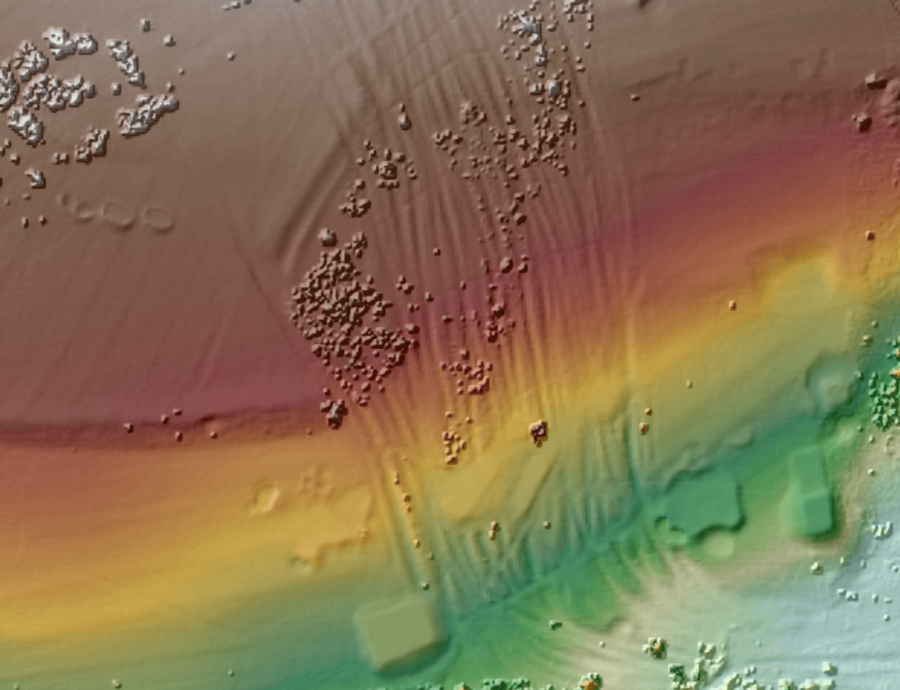
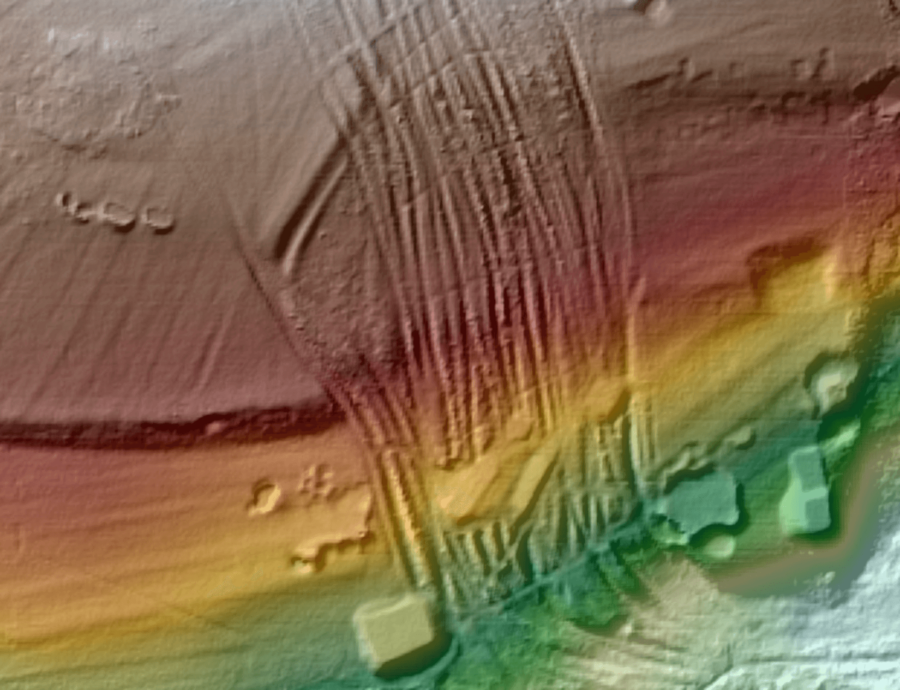
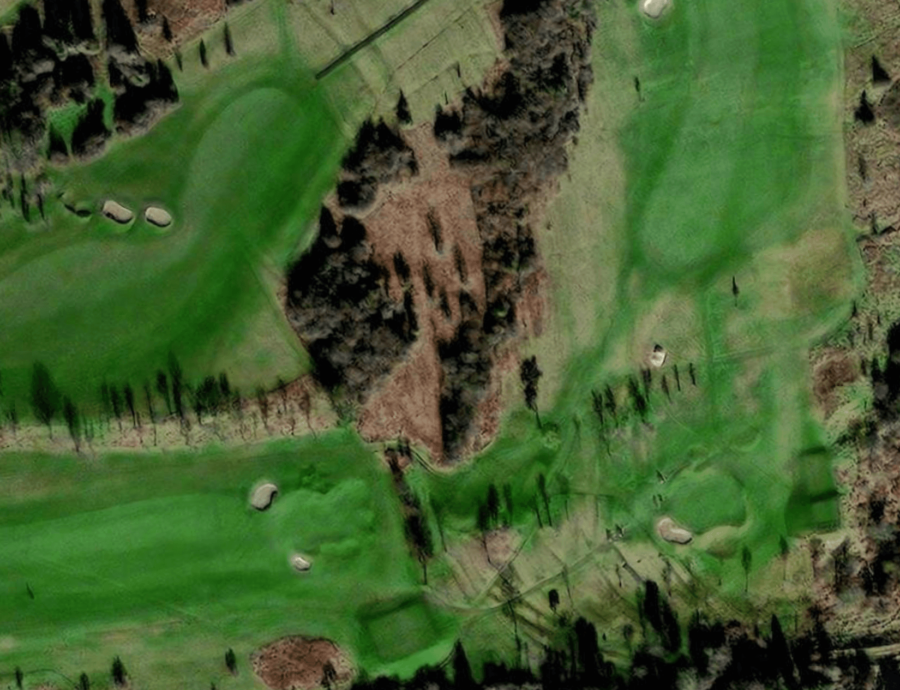
Once these sunken routes are formed, they tend to remain in use for long periods. Erosion and water drainage further emphasises the depth, contributing to continued visibility and use.
Hollow ways are found particularly on steeply rising ground and near to or within woodland. Many of these hollow ways were used during timber harvesting, or as linking routes between mineral extraction sources. Others may have been for access to fields and associated with Lynchets (more specifically termed lynchet ways). Some Hollow Ways with prehistoric origins were later used as Drove Roads in the medieval period.
Further Reading:
Historic England’s Introductions to Heritage Assets: Pre-industrial Roads, Trackways and Canals
What to look for:
- Deep tunnel-like tracks with steep banked sides
- General association with sloping ground and woodland
- Hedgerows or ancient trees lining the route (which will differ depending on the location e.g. more commonly bounded by yew or beech trees on the chalk or Greensand, versus oak trees on clay soils)