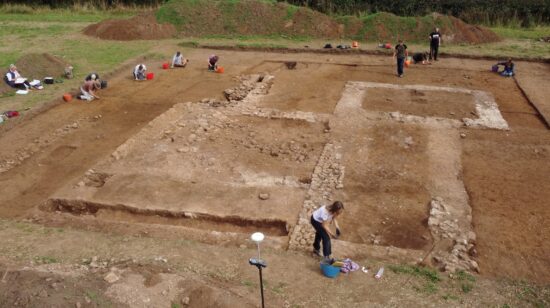
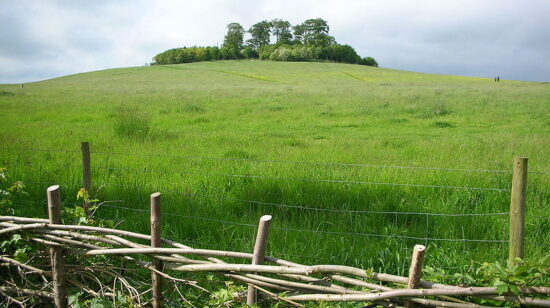
Hillfort
A hillfort is a defended enclosure that is bounded by one or more substantial banks, ramparts and ditches and built on a hilltop, ridge or other natural high point.


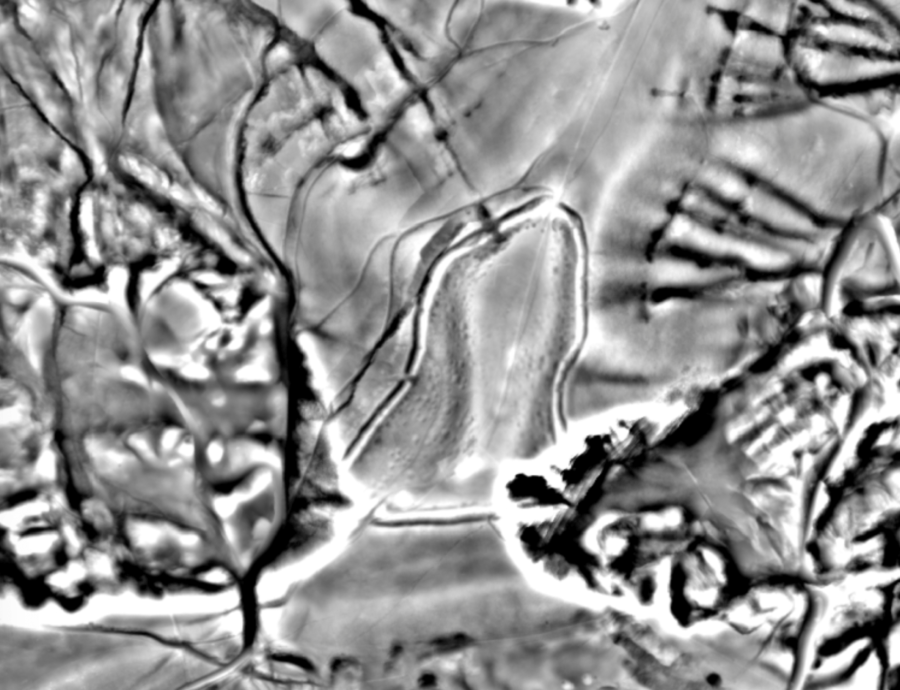

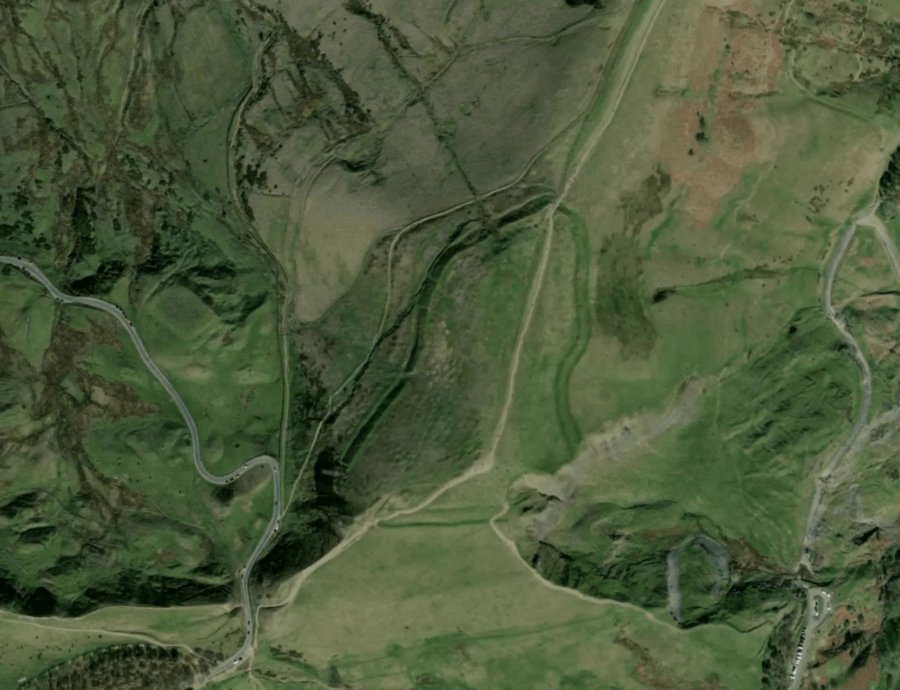

While the earliest Hillforts (from c. BCE 900-600) are univallate, with only a single line of defences, the most well-known form of the monument is its later Iron Age (c. 400-100 BC) large-scale multivallate hillfort, which were vast in size and could have up to six rings of defences.
The earthwork ramparts would have been topped by wooden palisades and gave defence against neighbouring tribes in territorial conflicts. The monuments would also have been major power and status displays, with the interiors housing not only the communities, but their livestock and domestic and industrial areas.
The size of the ramparts changes but could have been up to 15m in height. The overall area within the enclosures also varied considerably, ranging from 0.5-85 ha.
Further Reading:
Historic England’s Introductions to Heritage Assets: Hillforts
What to look for:
- Generally oval shape
- Defensible and highly visible position
- Naturally contoured hill with signs of man-made banks and ditches
- Traces of stone revetment or berms along the earthworks
- Signs of breaks in walls or flanking defences
- Usually entrance on the eastern side, possibly with secondary one to the west