Gravel Pit
Gravel pits are trench features opened for the extraction of gravel deposits used in construction industries.


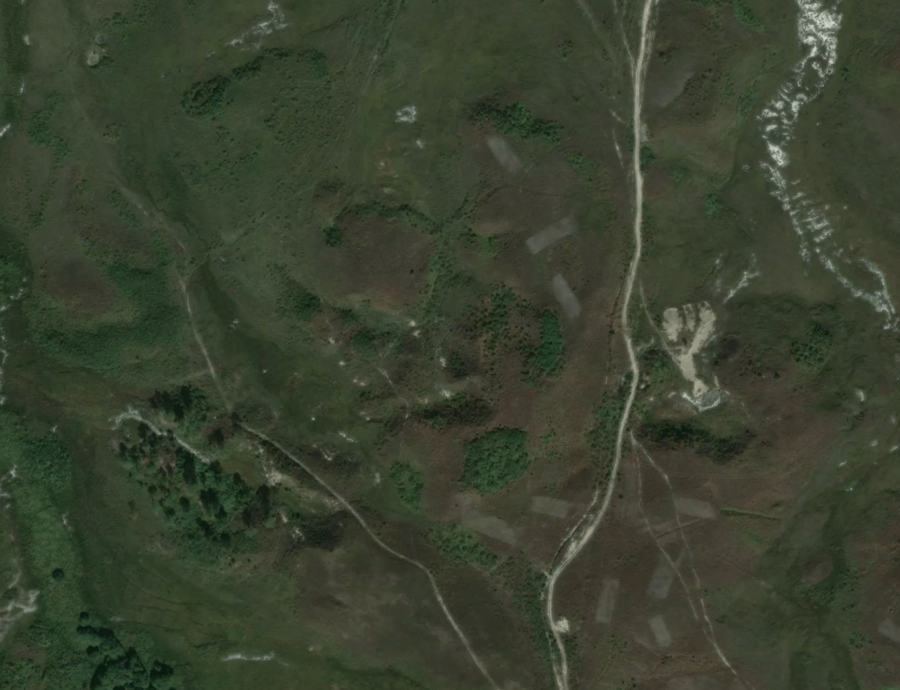
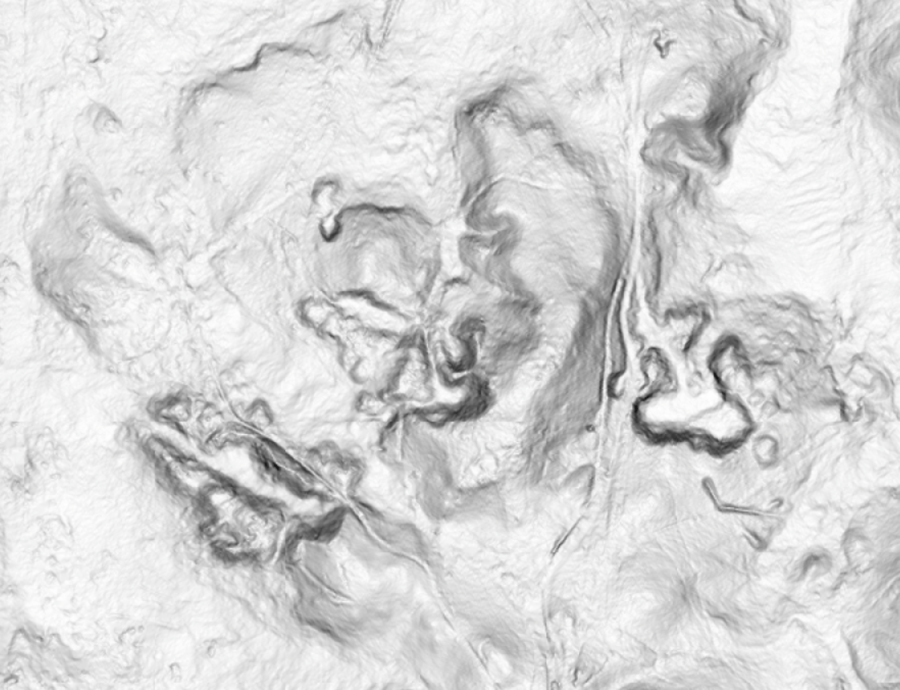
Gravel has been mined on a small scale since at least the Roman period when it would have been needed for concrete. Medieval sites may be known from the written record but can be hard to identify. Most documentation of gravel pits is from the 16th century and onwards as the industry began to grow in response to increased requirements from urban and industrial growth. Gravel was needed for buildings, railway, and road construction.
Common sources of gravel are ancient river deposits, situated where the water table is high. Once these pits become disused, they fill with water and become ponds. Many of these are repurposed as fish ponds, and some are turned into nature reserves. Gravel pits would often have been small and irregular, and even large-scale ones are difficult to classify. Ground survey is often necessary to determine the type of resource being used, but historical documents may help.
What to look for:
- Small irregular pits reflecting Roman and Medieval extraction
- Large pits in river deposits or near waterways
- Possible evidence of associated buildings for processing or storage
- Some modern landmarks may be named after the sites “gravel pit hill”, “gravel pit farm etc”