Gardens and Parks
Gardens and parks are areas of land created for recreational uses or visual enjoyment.
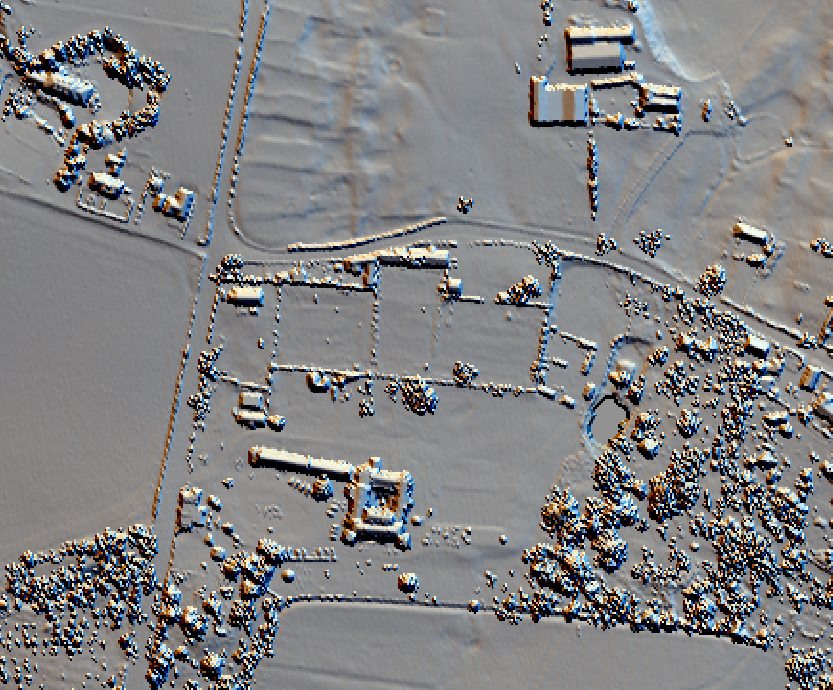

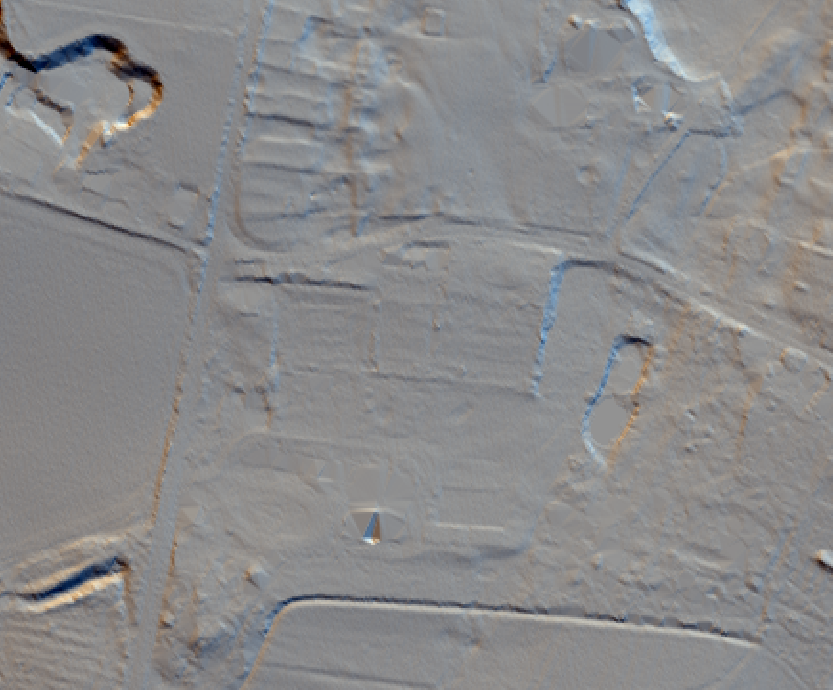

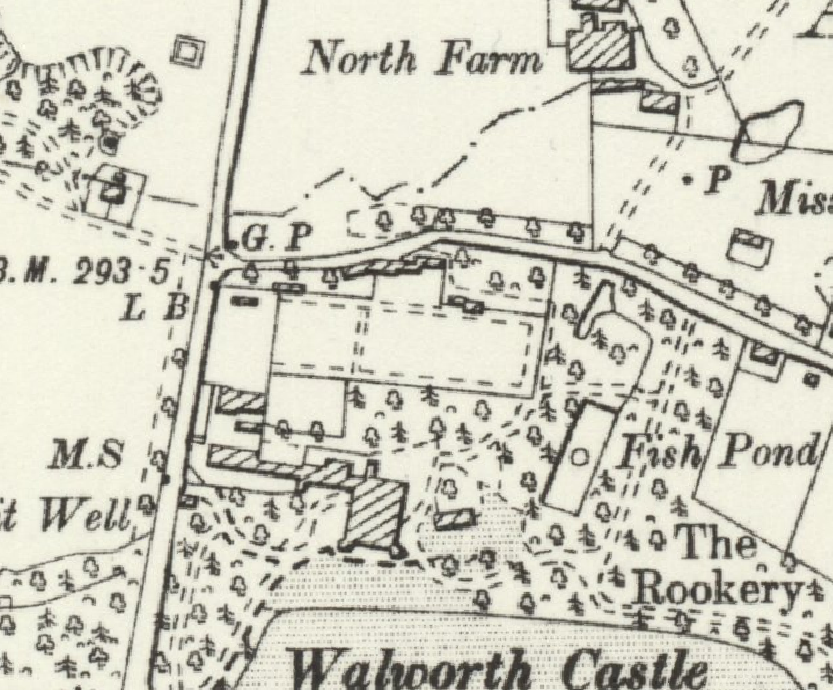
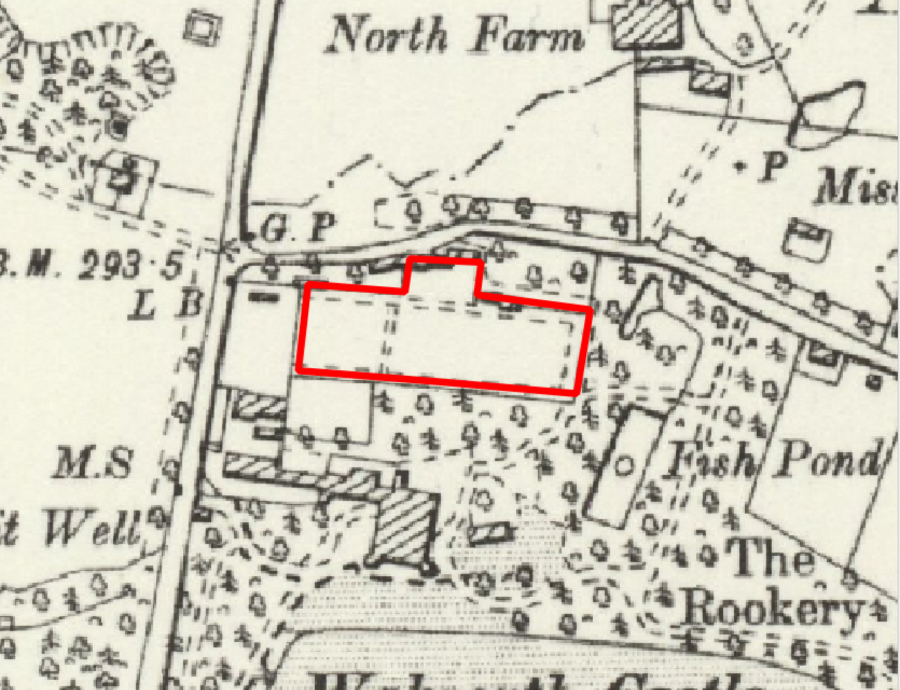
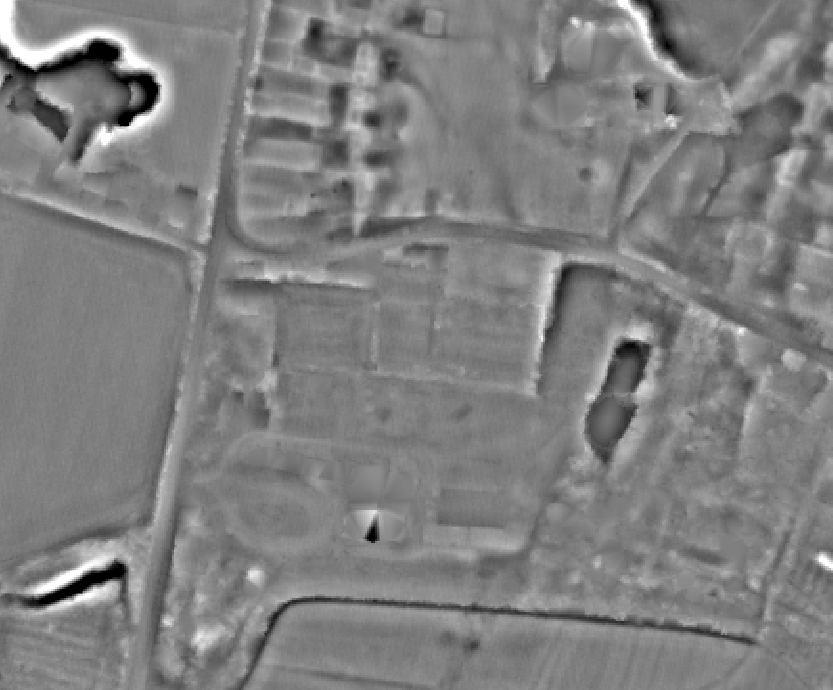

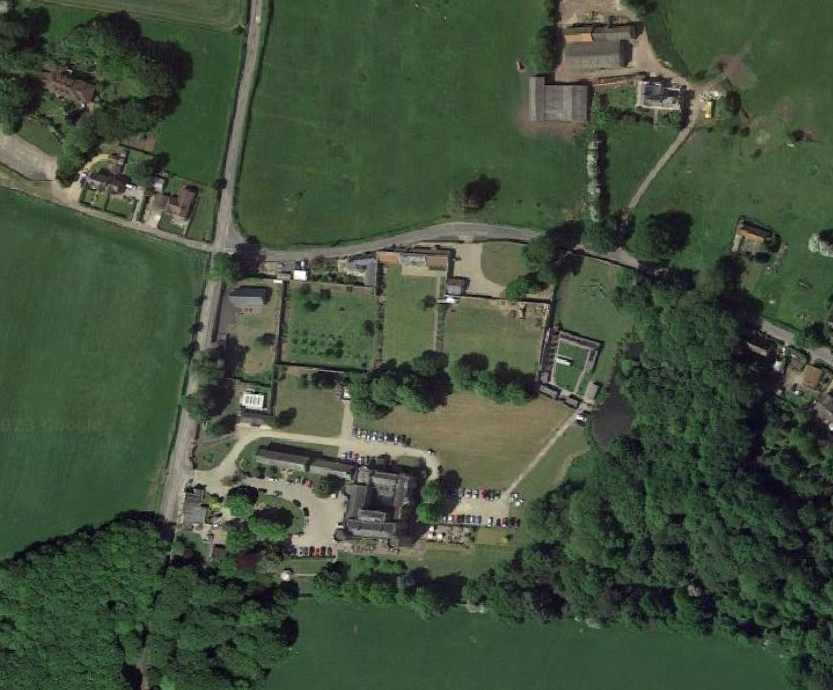

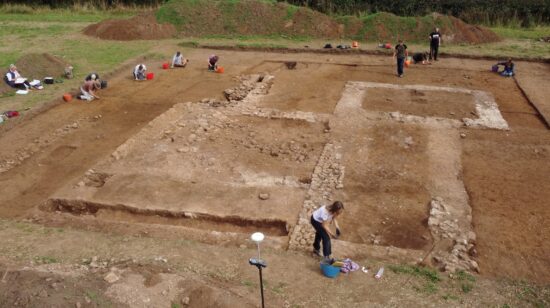
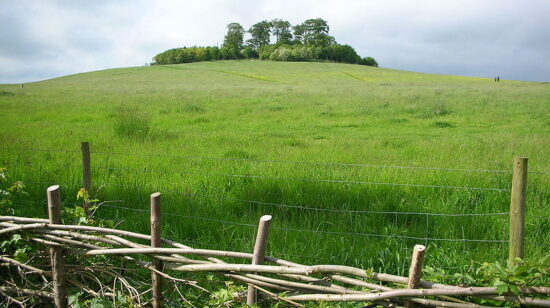
Gardens were devoted to the cultivation of flowers, fruit or vegetables. Parks were predominantly created for hunting, though they were also used to cultivate trees and graze animals.
The Romans were known to create these types of leisure landscapes but it is during the Medieval period (AD410-1540) that they become a prominent part of society. The design could be extensive, including gardens immediately around the house and stretching into the property beyond. Parks could be sprawling, but were usually built some distance from the main house.
Gardens and Parks could include a wide variety of features: lodges, benches, tunnels, arbours, fountains, pools, statues, specimen trees, beds of flowers, herbs, and paths were common. Gardens at wealthier homes and estates often had elaborate water features like fish ponds, moats and mill pools. They would often be surrounded by substantial enclosing features like walls, banks, ditches and gates; particularly when the properties were at wealthy estates or held valuable game animals.
What to look for:
- Indications of walls, terraces and earthworks which would have formed complex patterns, compartments and avenues
- Signs of water management, such as canals or dams for the creation of lakes
- Occasional building platforms at key points on paths