Fish Pond
A fish pond is an artificially created pond made for the cultivation, breading and storing of fish used as a food source.

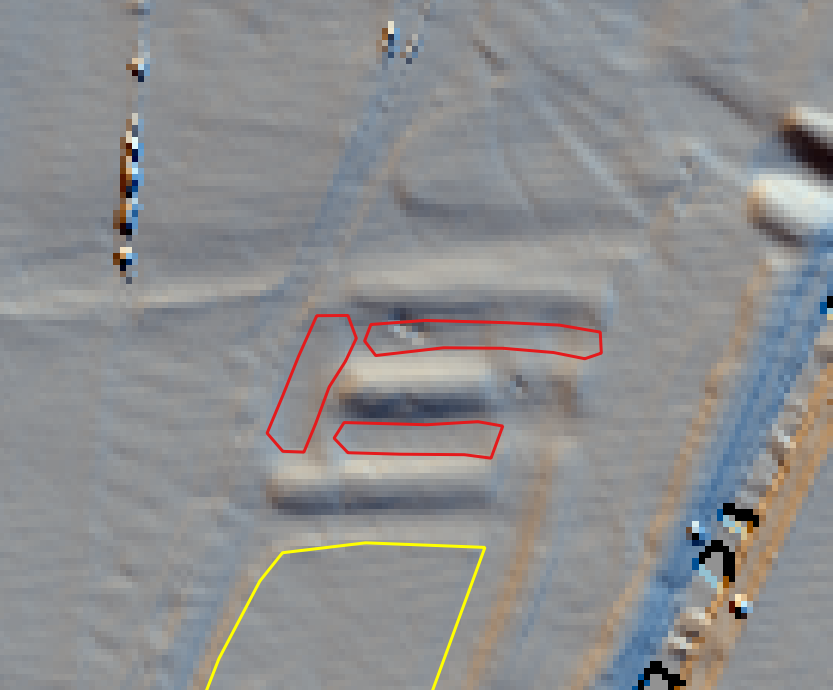

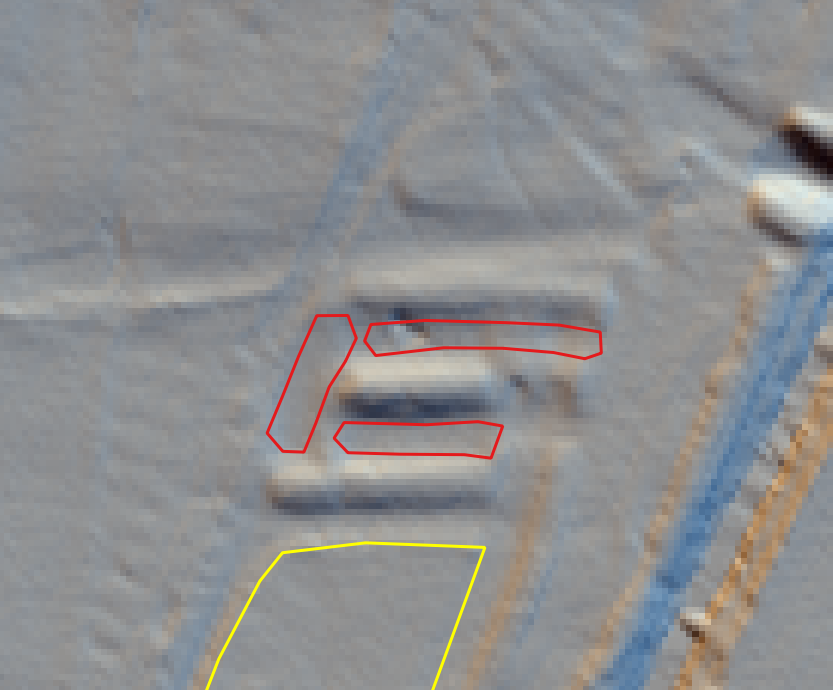
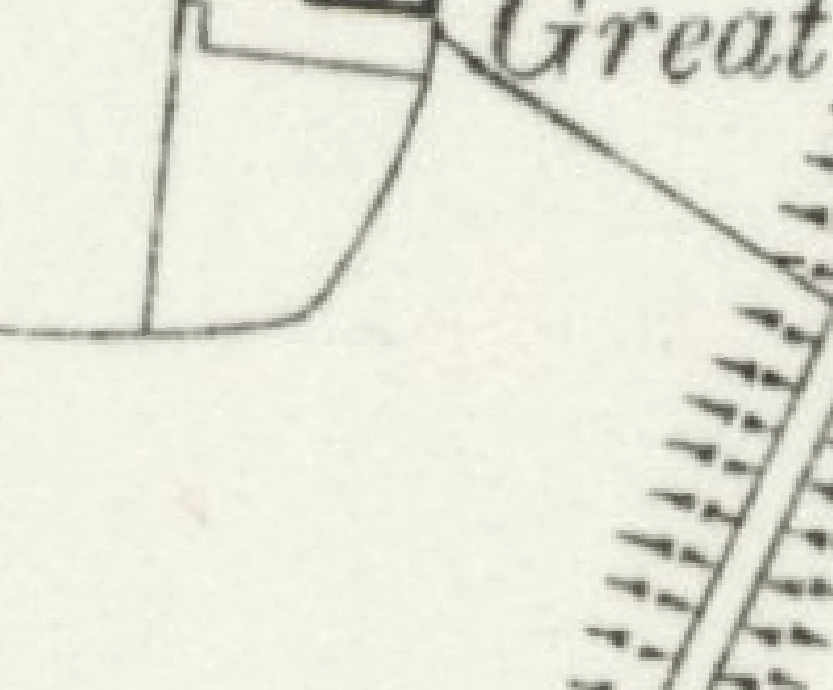
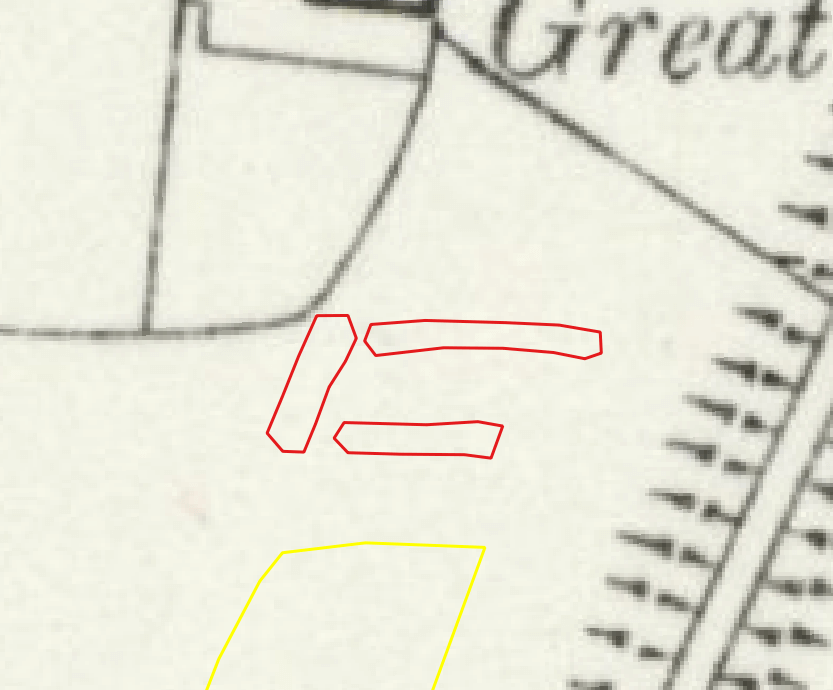


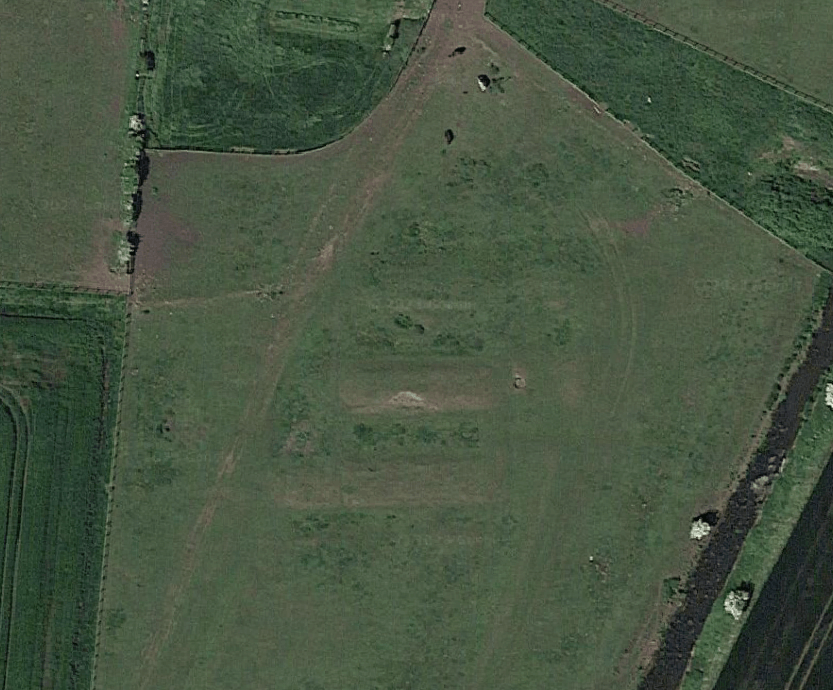
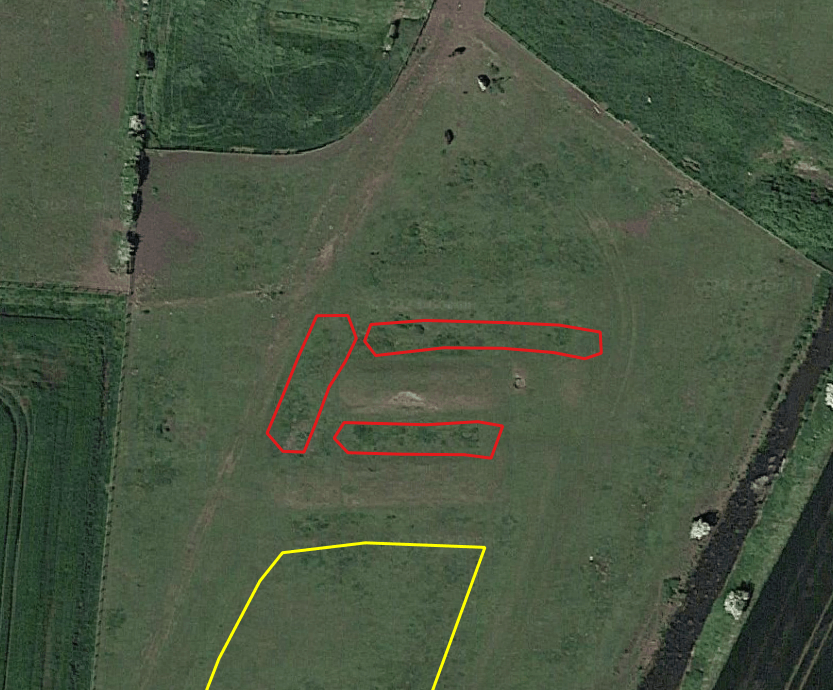
The construction of Fish Ponds as a farming technique originated in the medieval period. They are usually associated with large wealthy estates or monasteries and are more concentrated in regions farther from the coast and places without many natural lakes and waterways.
Management systems could have included as many as 12 ponds connected by leats and sluices. Ponds may be dug into the ground, embanked above ground, or made by using dams to flood a natural valley. Large ponds are thought to be for storage and small ponds for breeding. Different shapes and sizes of ponds might have been used to hold different species of fish or ones at different stages of growth. Some ponds have islands in the middle for spawning, monitoring, or fishing. There may be small buildings associated with the pond system for storage or for fisherman to live in.
This type of farming fell out of use in post-medieval period but the ponds were sometimes re-used as decorative water features in gardens.
Further Reading:
Historic England’s Introductions to Heritage Assets: Animal Management
What to look for:
- Artificial looking plan with shallow profile, maybe stepped
- Embankments around a negative feature
- Groups of depressions closely connected by channels
- Evidence of associated buildings
- Nearby manor or monastery