Farm
A farm is an area of land and its associated buildings used for producing crops or raising livestock.


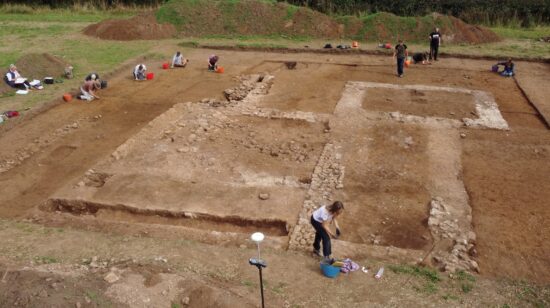
Farming arrived in Britain in the Neolithic period (4000-2200 BC) but there is little known evidence for the buildings used by these farmers. The Late Bronze age is when we start to find farming enclosures and more permanent settlements. The Iron Age (800 BC to 43 AD) saw a substantial increase in small farmsteads characterised by clusters of Roundhouses and rectangular timber structures within curvilinear ditched enclosures. There are also examples of unenclosed farmsteads.
Romano-British farmsteads were the most numerous settlements for the first 400 years AD. Farms usually followed a standard layout with one to six roundhouses situated at the rear of an enclosure facing an entranceway. The front of the enclosure would have small yards and pathways. Groups of 4-5 farmsteads could be enclosed together or set within 0.5 km of each other.
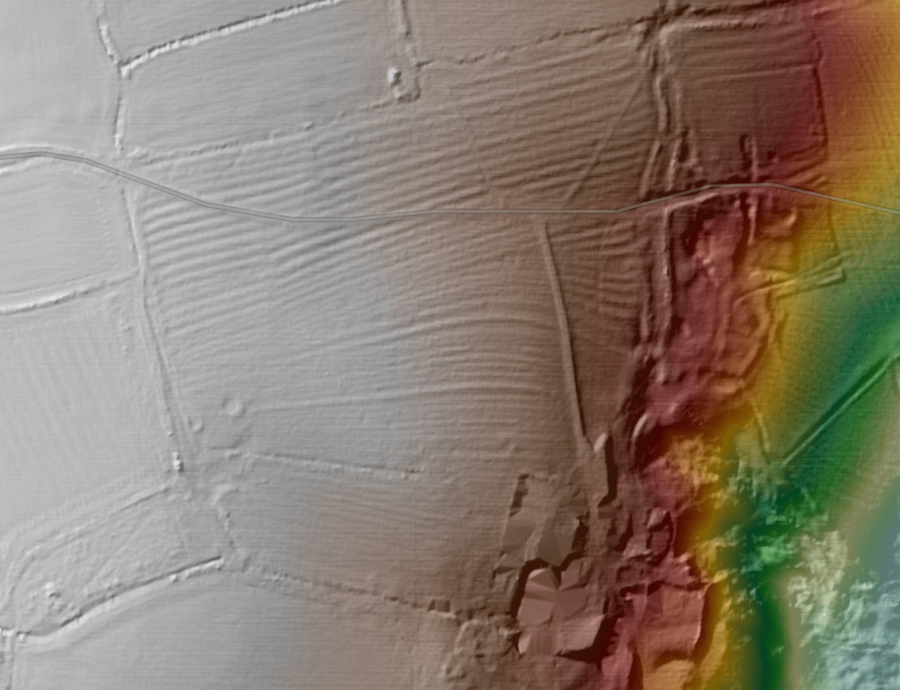
The medieval period saw the rise of open field farming and the characteristic Ridge and Furrow plots associated with medieval settlements. This period has distinctive settlement types like Moated Sites which are planned settlements surrounded by a large ditch.
What to look for:
- Settlement associated with field systems
- Buildings associated with field enclosures