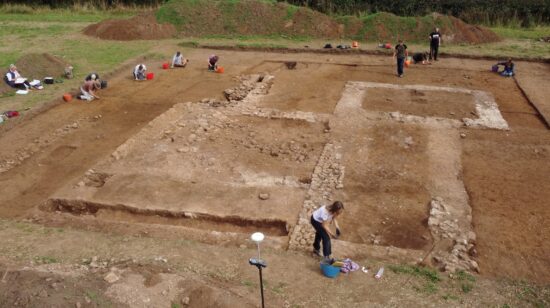
Embankment
An embankment is a wall or bank of earth or stone built to carry a railway over low areas.
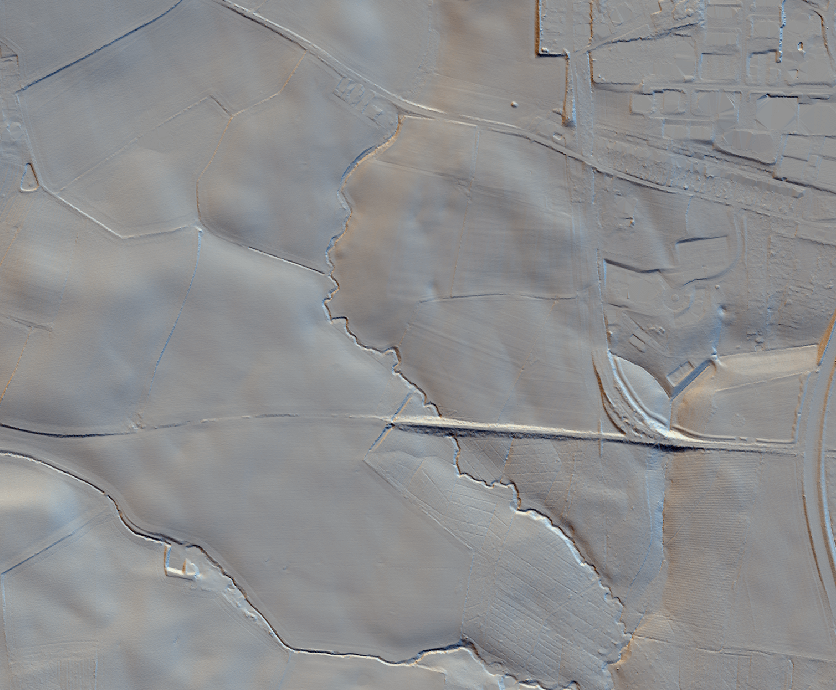


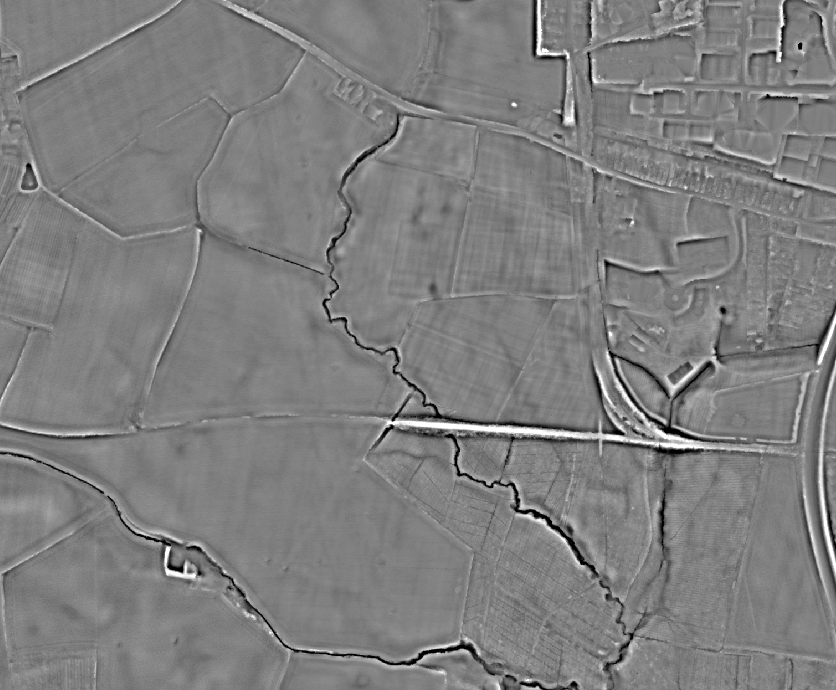


In order to run efficiently while pulling heavy loads, trains need to run on level tracks. Therefore, during railway construction hills are flattened or tunnelled through and valleys are filled.
Between 1834 and 1841 nine main lines of railway were built in England equalling 600 miles of track. This massive engineering work involved movement of 54 million cubic meters of material, much of which was recycled in earthwork construction at a rate of 1.5-2.3 million cubic meters of earth per railway line per year. Massive earthworks were erected, eg Watford embankment; 1.4 miles long, 13.7m high and 10 m wide at the top.
Embankments may resemble prehistoric earthworks so should be examined for evidence of tracks or railway infrastructure.
What to look for:
- Earthwork in a valley or low area with level top
- Evidence of track bed on earthwork