Deserted Settlement
A deserted settlement is any collection of two or more dwellings that have been abandoned. The term is usually associated with those of the medieval period, traditionally referred to as ‘Deserted Medieval Villages’.

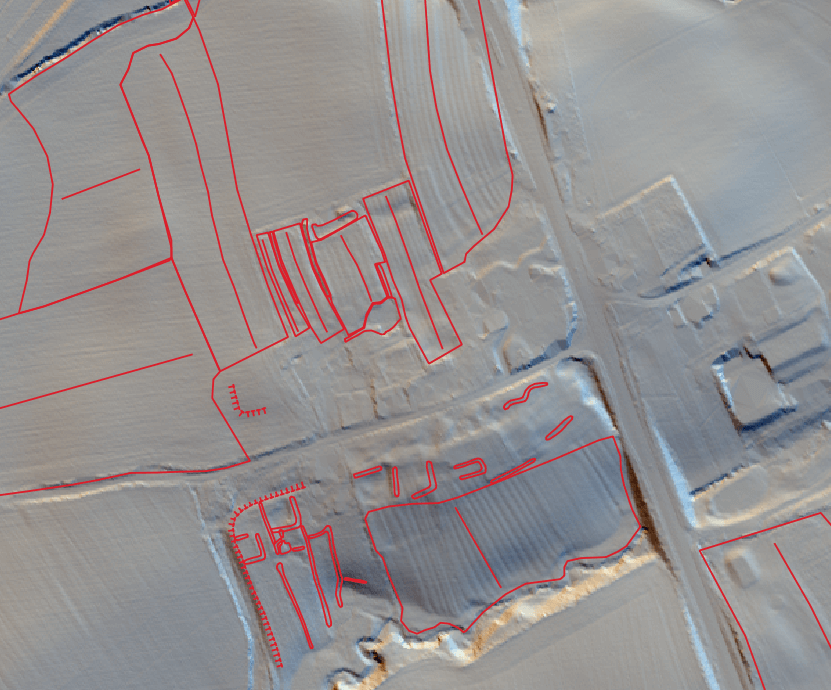
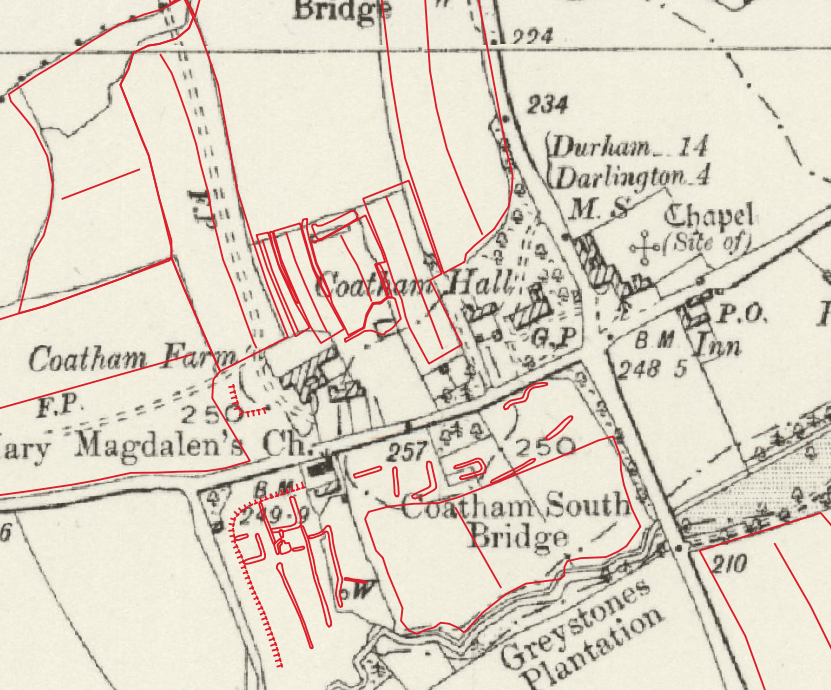
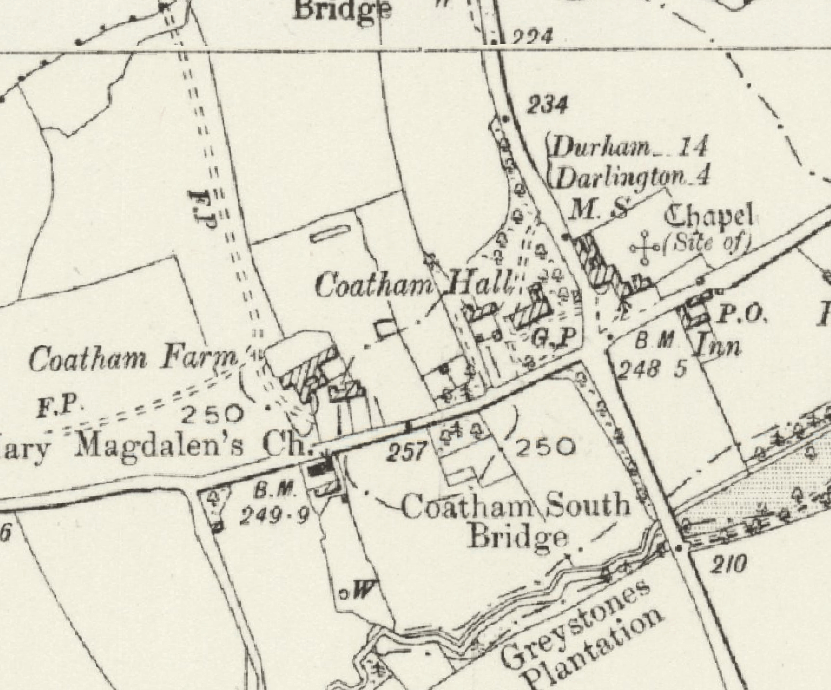
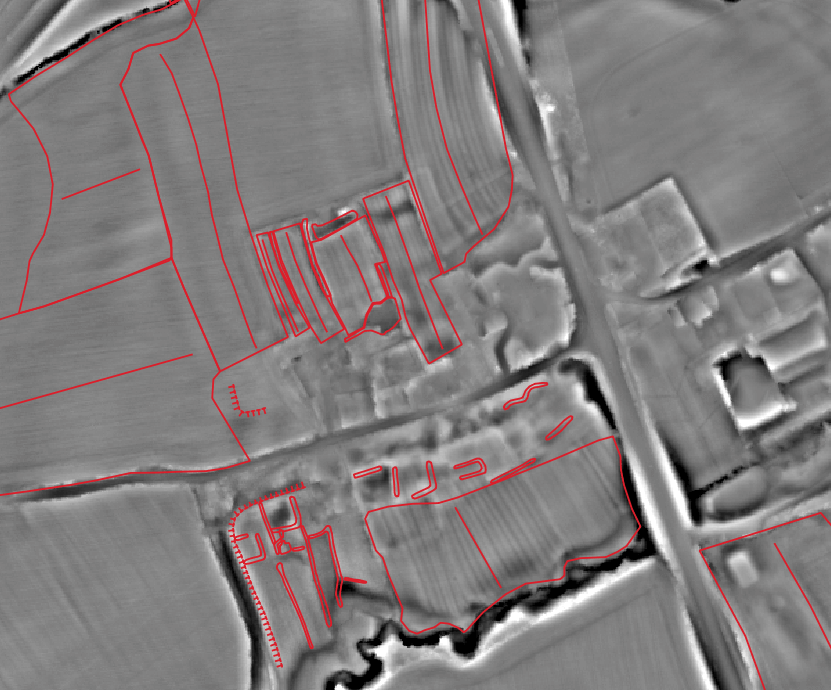
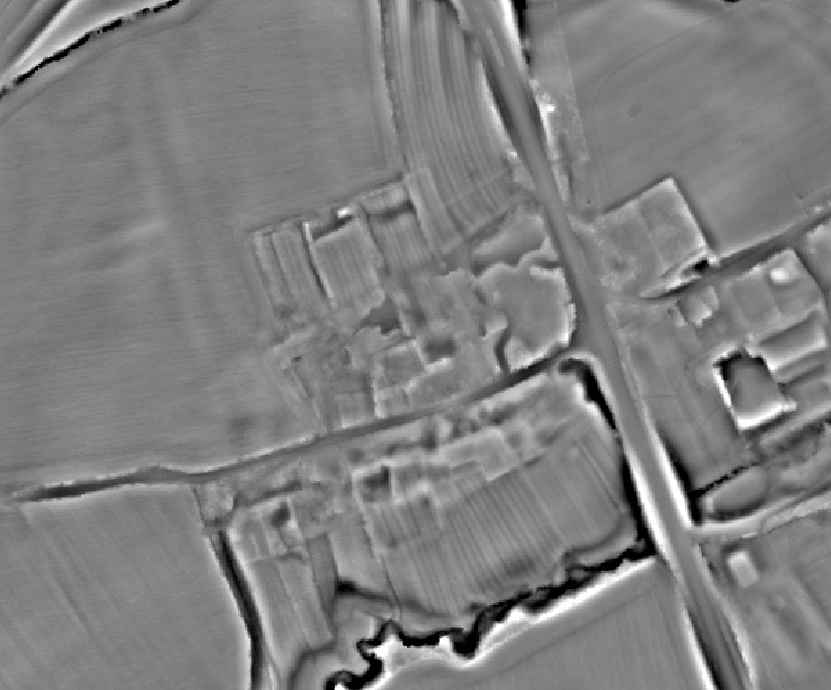


There are over 3,000 known deserted medieval settlements in Britain. During the 11th century evidence exists for settlements being levelled by invading Norman armies and by monastic institutions taking land. From the mid-13th century onwards, plague contributed to the abandonment of many settlements. A huge amount of land was cleared and converted into pasture to support the wool industry in the 15th century. Wealthy landowners were also displacing settlements to make space for their own stately homes, deer parks and sprawling landscaping at this time.
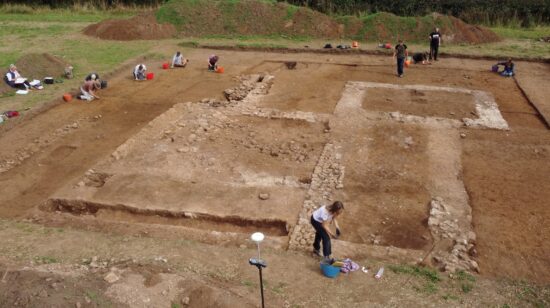
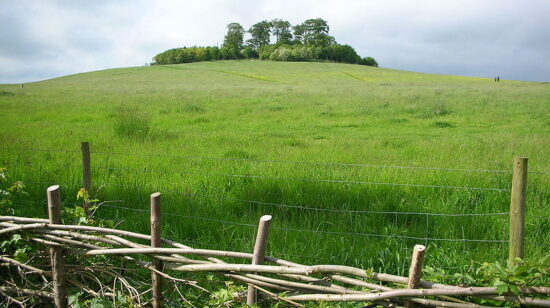
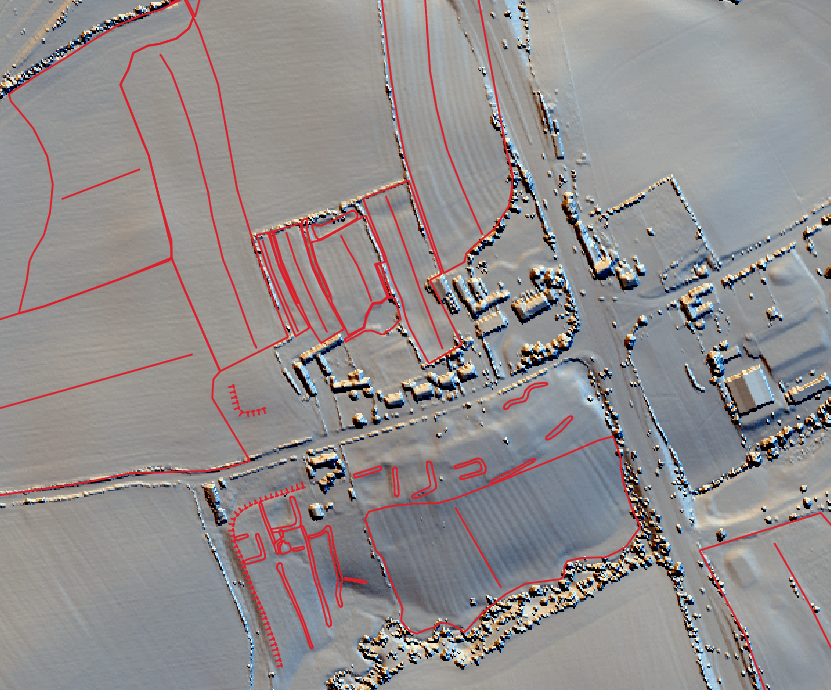
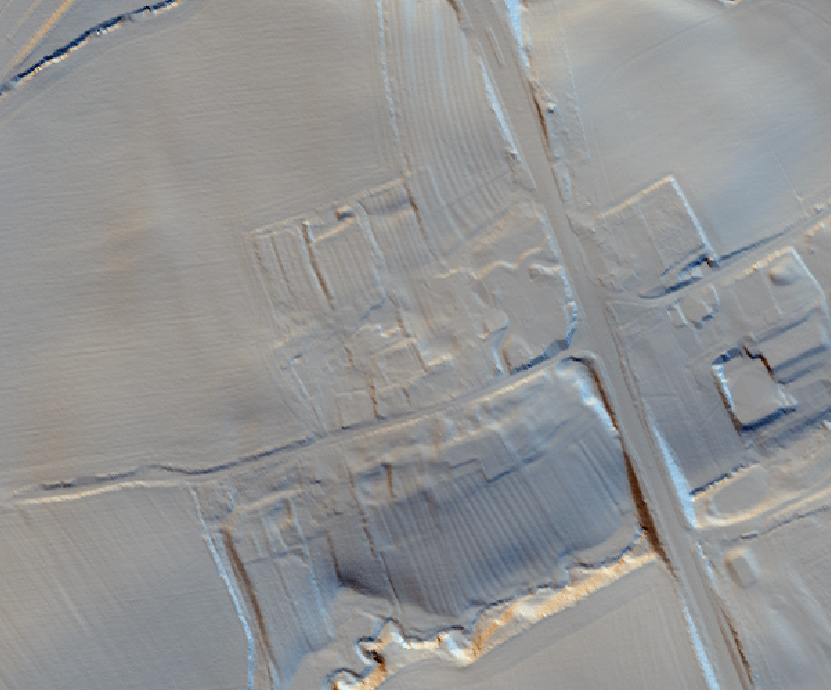
The layouts of these settlements frequently survive as earthworks and depressions that can give an indication of their scale and character. Evidence can include built platforms, wall foundations, field boundaries and trackways, although sometimes they are only visible as cropmarks.
Further Reading:
Historic England’s Introductions to Heritage Assets: Medieval Settlements
What to look for:
- Signs of rectangular earthen platforms for former structures in close proximity and alignments
- Signs of rectangular earthen platforms for former structures in close proximity and alignments
- Overgrown and eroded roads, paths and tracks with distinct plots radiating from the routes
- Ruined churches with settlement activity around them
- Associated ridge and furrow field systems