Deer Park
A Deer Park is a large enclosed area for the management and hunting of deer and other wild animals.


Deer parks originated in the medieval period and were at their height of popularity between AD1200 and AD1350. It was a ‘craze’ among noblemen who wanted to show their wealth.
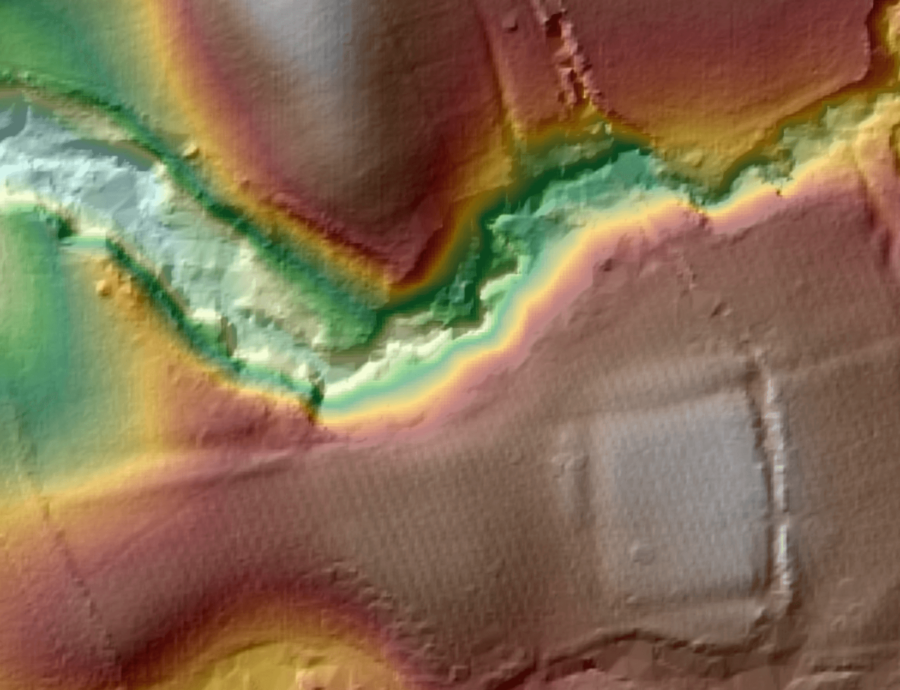
Deer parks had substantial boundaries designed to allow deer to enter but not exit the park. The boundaries – known as ‘pales’ – were normally made up of a bank (often topped by a fence, hedge or wall) and interior ditch (and occasionally an outer ditch as well). They could also include gates and deer leaps. Pre-existing natural features such as water courses were sometimes used for portions of the boundary. The enclosed area was often extensive (up to 1000 ha in size), though the average size was closer to 60 ha.
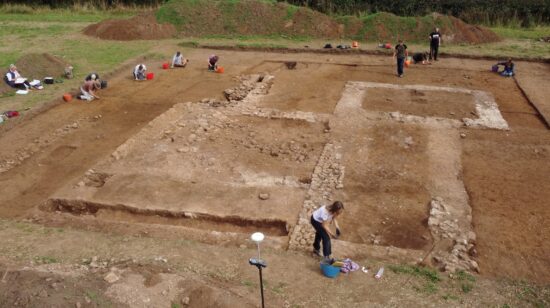
In addition to the enclosing features, the parks could include hunting lodges, dovecotes, rabbit warrens and fishponds. Most deer parks contained a mix of woodland and grazing land. Older parks also had rectangular mounds or ‘stands’, to shoot deer from.
Further Reading:
Historic England’s Introductions to Heritage Assets: Animal Management
What to look for:
- Evidence of a 'pale', which can include an inner (rather than outer) ditch and hedged bank
- Often a curvilinear enclosure boundary
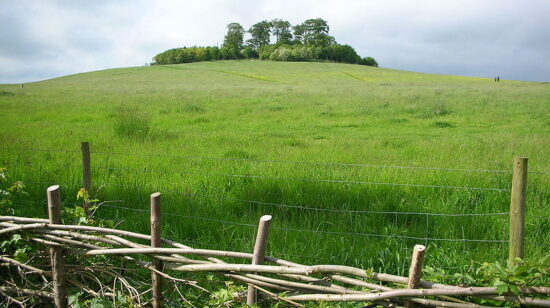
- Location near fresh water and occasionally high ground
- Evidence of associated structures including parker’s houses, hunting lodges and watchtowers that may be indicated by historic names of surviving buildings