Curvilinear Enclosure
A curvilinear enclosure is a form of monument where an area of land is surrounded on all sides by a boundary that follows an irregular curving course.
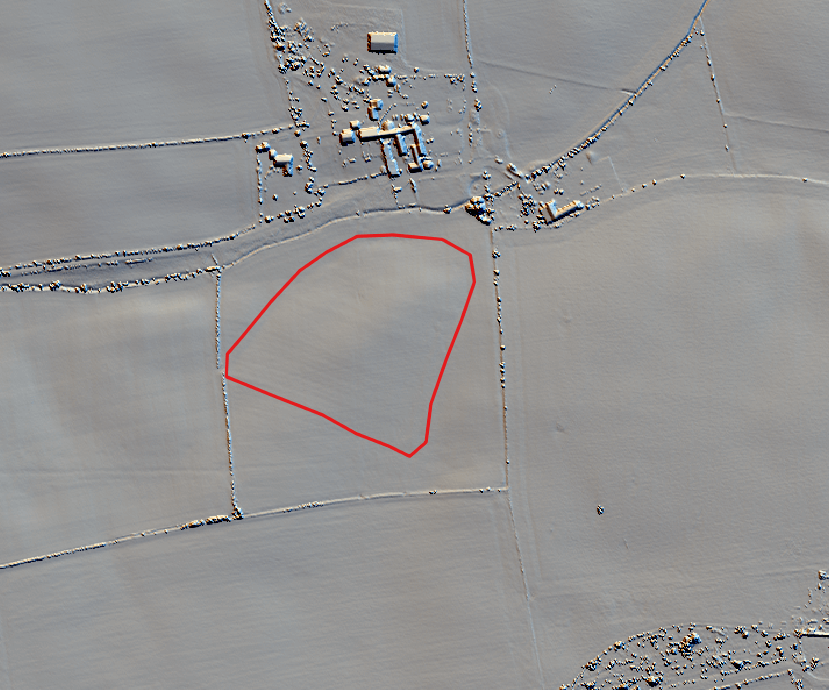
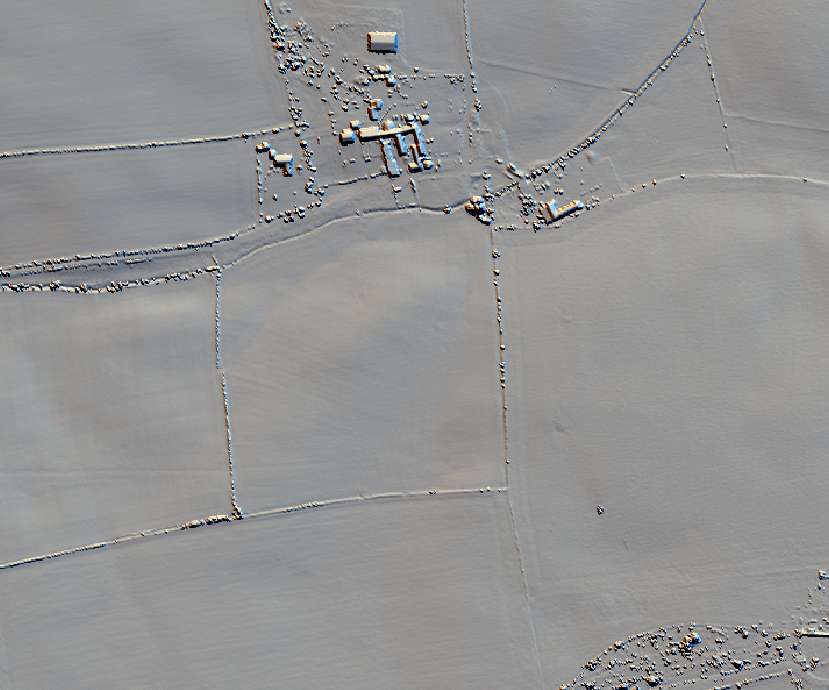

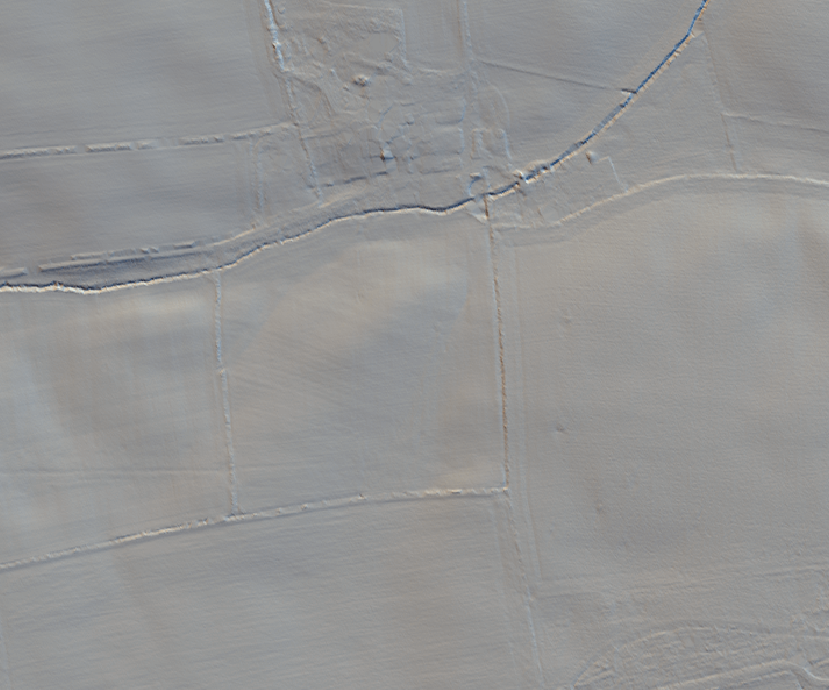

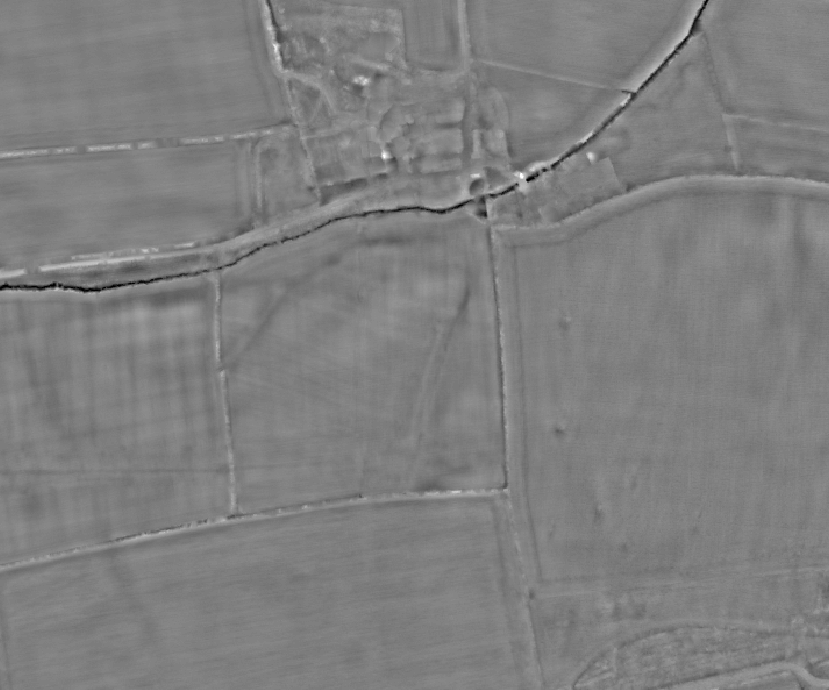

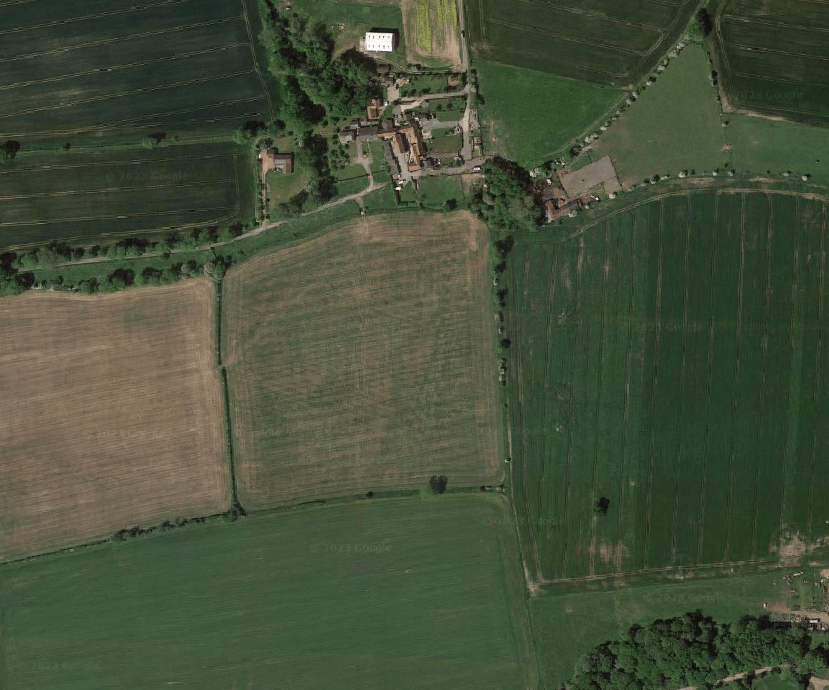
Many curvilinear enclosures are prehistoric, with a particular cluster dating to the Bronze and early Iron Ages. They may have a combination of enclosing features like a boundary ditch, bank, wall, palisade or other similar barrier, or display several concentric enclosing ditches and banks.
Enclosures are a common feature in the landscape and were made for varied purposes; a defensive wall for a house or settlement; marking the boundary of a ritual site; a corral for animals; or a simple garden plot. The huge range of form and construction of enclosures make classification harder.
This type should be used when the enclosure is irregular in form and can’t definitively labelled as a more specific monument type.
What to look for:
- An irregularly curving boundary in plan