Bridge
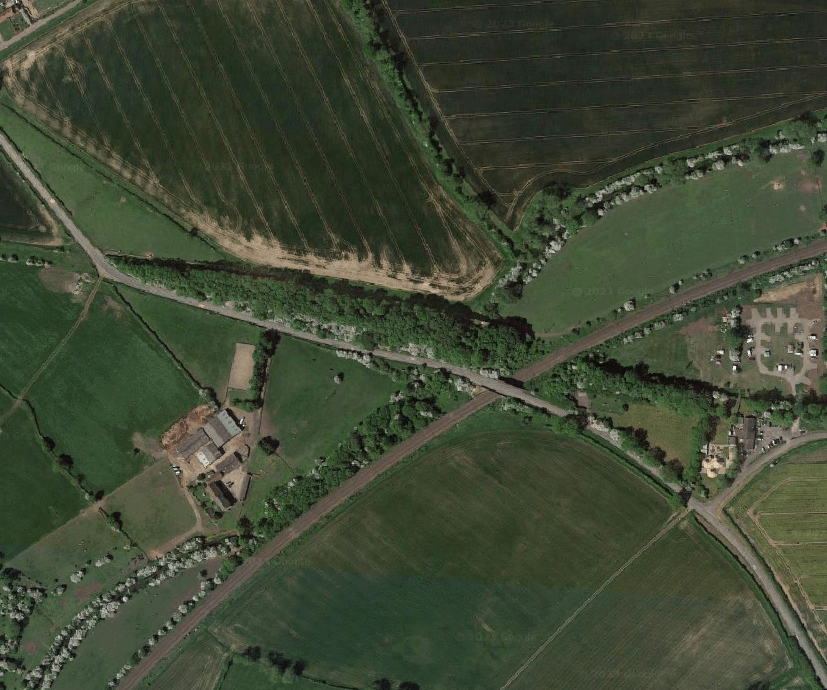
A railway bridge is a structure built to carry a railway across an obstacle like a body of water or road.

The oldest surviving single arch railway bridge in the world is Causey Arch in County Durham. Built in 1725-1726, it would have carried a wagonway for coal transport. Early bridges were commonly built in timber, brick, or stone and later in cast or wrought iron and steel, many combined masonry and metal.
A trestle bridge consisting of a number of short spans supported by closely spaced frames was a common type of rail bridge. Early examples of these bridges were made in timber but most were later replaced by more durable stone viaducts. There are also examples of iron and steel trestle bridges. Thousands of timber bridges were built in the steam railway boom between 1840 and 1870 but virtually all have disappeared or were replaced with sturdier materials, often within a few decades of their construction.
What to look for:
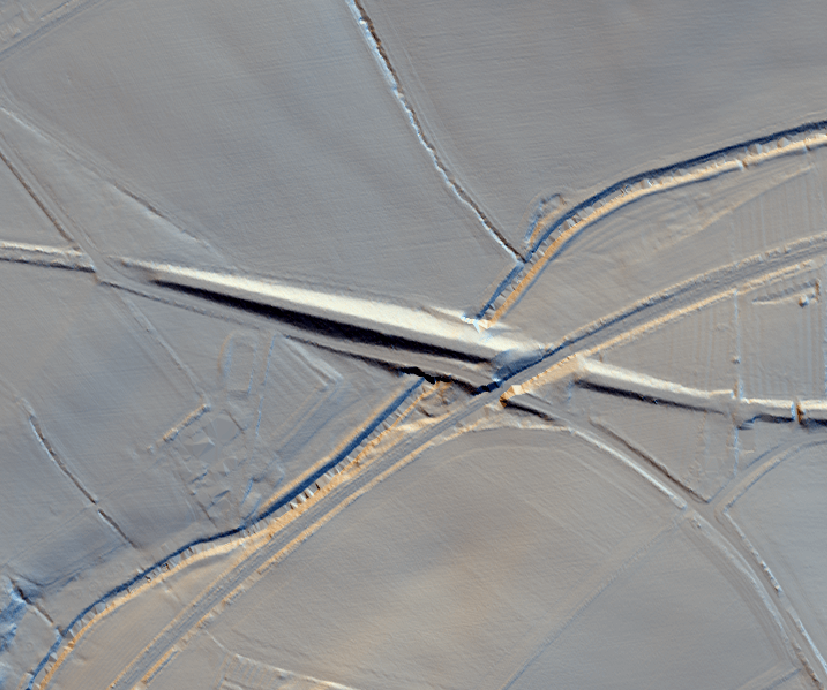
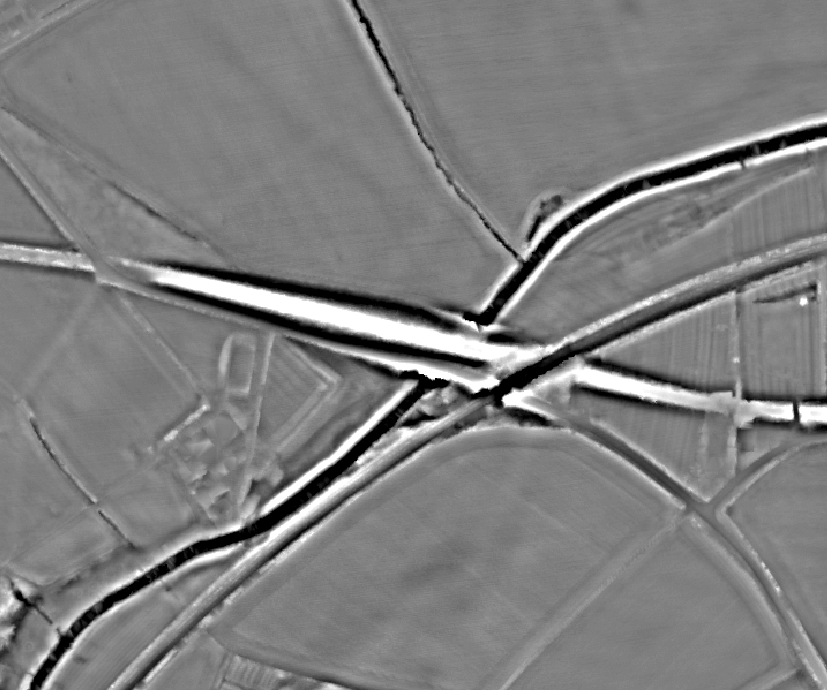
- Linear path crossing a body of water or a road
- Footings on either side of or within a waterway
- Timber, brick and stone probably represent earlier examples