Boundary Ditch
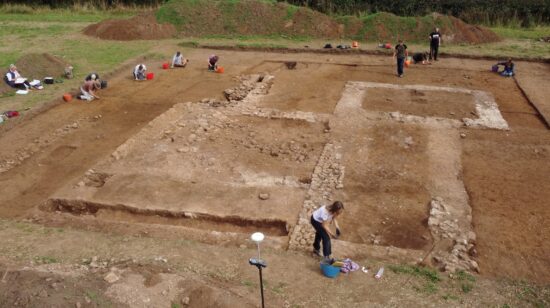
A boundary ditch is a trench that is used to separate one area from another.


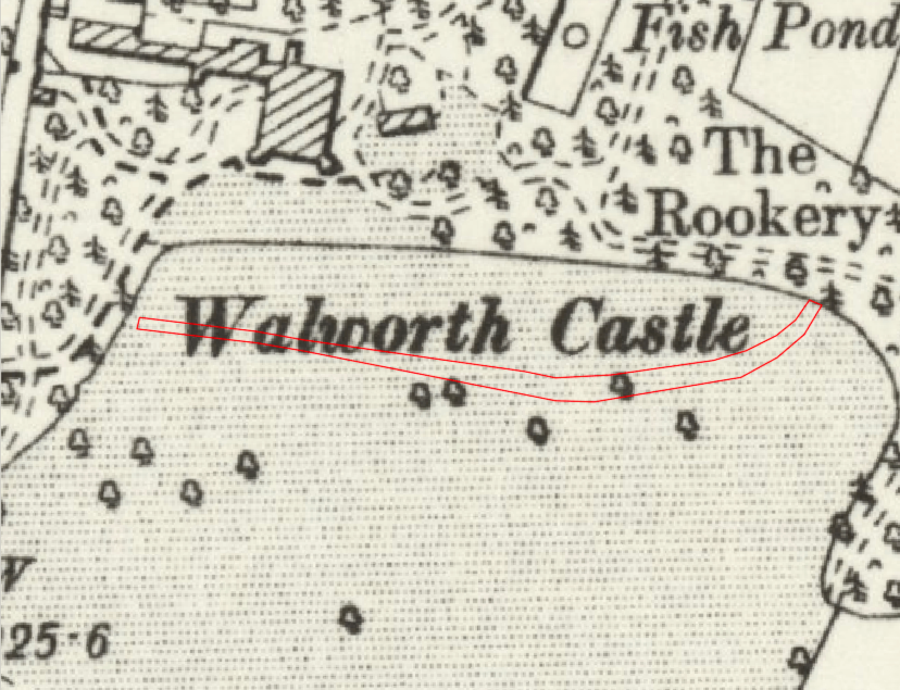
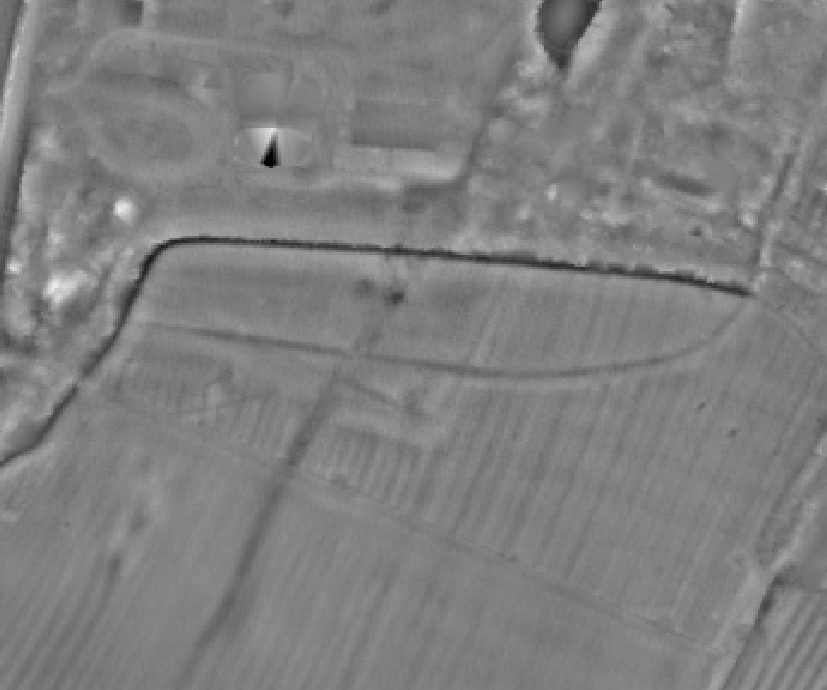

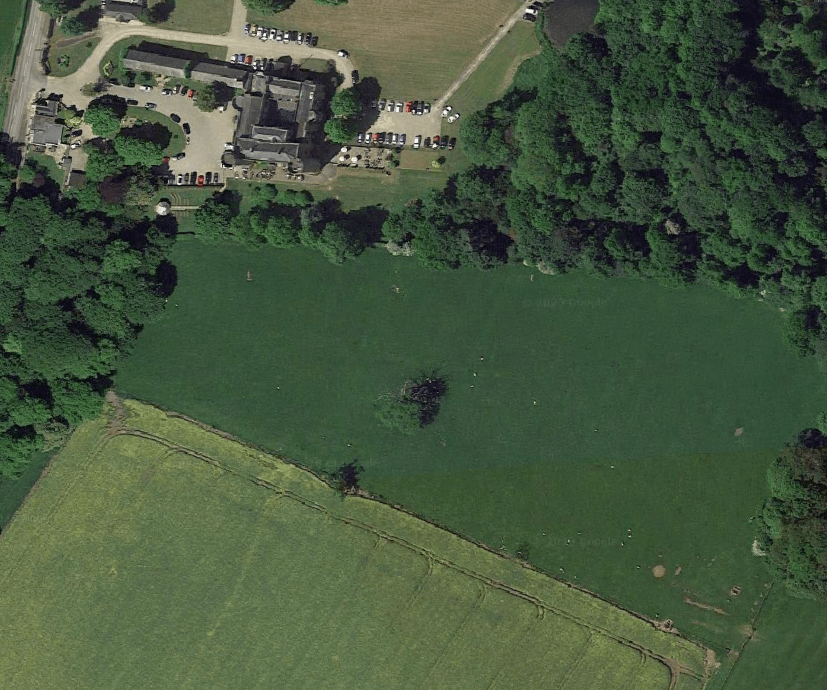

Boundary ditches are most commonly found in association with boundary banks. Particularly because digging a ditch produces upcast to be managed and a bank can be used to emphasise the depth of a ditch’s slope.
Ditches can have a variety of purposes and their depth and form changes depending on their use. They may have been dug for defensive purposes, for control of livestock, or to show ownership of land. Some were substantial parts of the landscape, dug metres deep and still visible beneath modern land use changes. Others would have marked smaller areas of land and have filled in over time, only remaining visible as shallow depressions or crop markings.
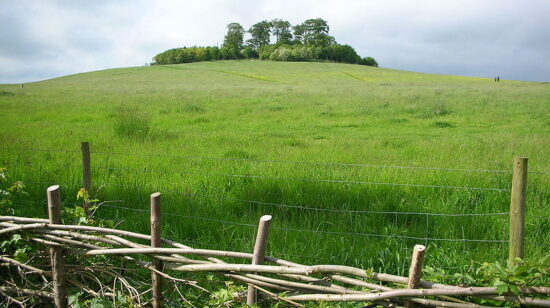
The earliest earthwork ditches date to the Neolithic period and become more common throughout the Bronze Age. It can be difficult to know whether a ditch was intended as a boundary. Building on, extending or following natural boundaries and land formations like hills, escarpments and coastlines can be a clue that a ditch was intended to emphasise the natural borders. Ditches can also be used with banks show the exterior limits of field systems and settlements or be dug alongside roads and trackways.
What to look for:
- Building on natural landscape features
- Associations with enclosures, settlements or roads