Army Camp (WWII)
Army camps were built to house troops during training before deployment to the front lines. Some camps were also used to hold prisoners of war.


Large camps with standardised plans were made to house thousands of men during training. The Nissen Hut – a prefabricated, corrugated iron, semi-cylindrical hut was one of the most common buildings. Some camps were well facilitated like cities, with their own canteens, hospitals, post offices and clubs. These shared spacesmay have been in the same prefabricated buildings, but could also be built in concrete, brick and asbestos. Camps had water supply systems, sewage systems and roads. These camp buildings generally don’t survive because they were built as temporary facilities to be dismantled at the end of the war.
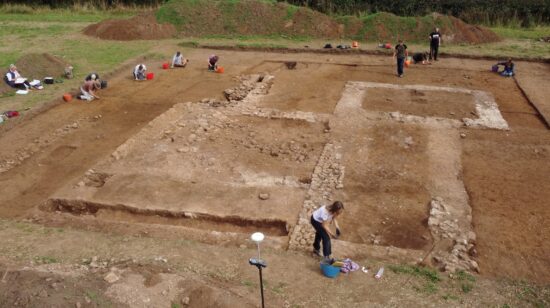
Earth, concrete and brick platforms for huts often survive and at some camp locations there are still standing buildings. The regular grid layout of the camps can often be detected along with evidence for the roads that crossed and surrounded them. Wooded preserved from ploughing are the most likely places to locate traces of temporary camps. Other camps were maintained and developed with continued military purpose today.
What to look for:
- Regular outlines of huts or barracks
- Associated roads or tracks
- Evidence of practice trenches associated