Air Raid Shelter
Air Raid shelters were built during the Second World War for civilians to protect themselves from the extensive bombing program of the Germans.


When air raids began in September 1940 public shelters were built in parks and other community spaces. The government distributed mass-produced shelters to the general population and people used pre-existing protection like tube stations, tunnels and basements.
There are 4 broad types of air raid shelter: surface, semi-sunken, sunken, and deep.
Public surface shelters were somewhat standardised and built to house 50 people. Usually constructed from pre-cast concrete panels and sometimes in brick. Semi-sunken shelter like the mass-produced Anderson shelters combined shallow excavations with corrugated metal structure and earth banking. Sunken shelters included basements and cellars. Trenches reinforced with sandbags, metal, and concrete were also used although they didn’t provide much protection.
What to look for:
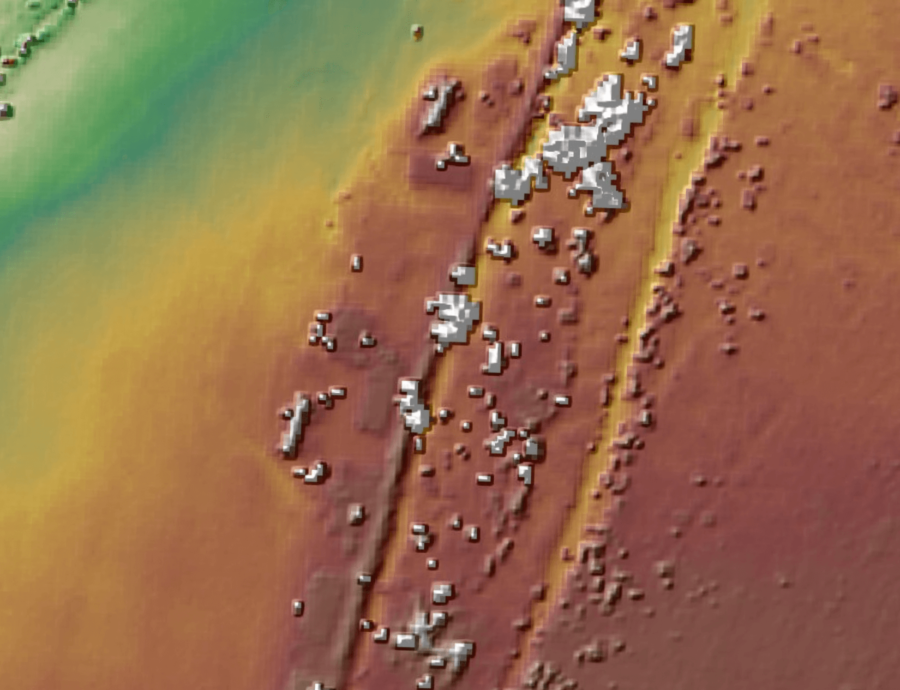
- Small Rectangular outlines in public parks or residential gardens
- Small earthwork mounds in residential garden