Drove Road
A Drove Road (also known as a “drift way”) is a road or track that was used specifically by drovers or herders to bring their animals to pasture or market.
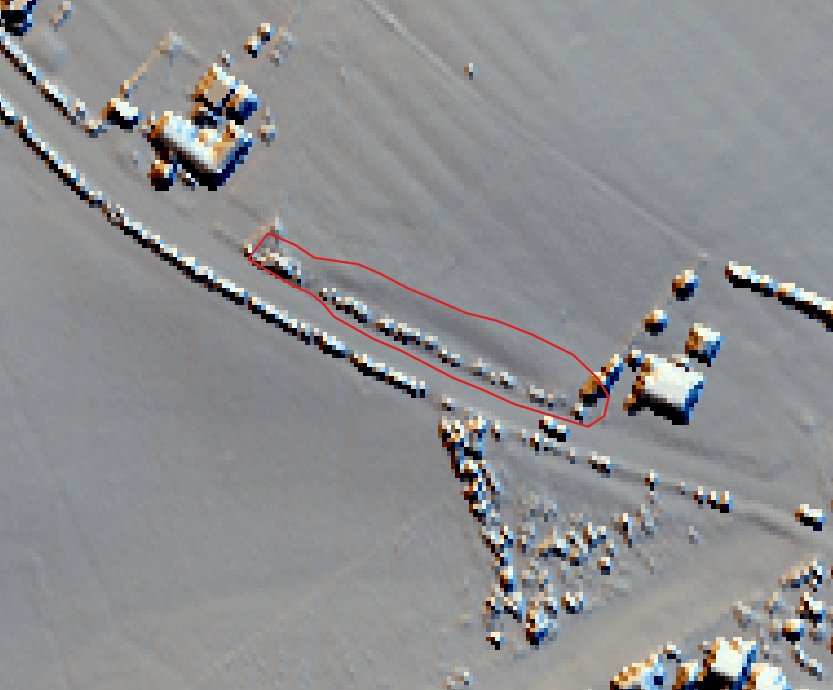
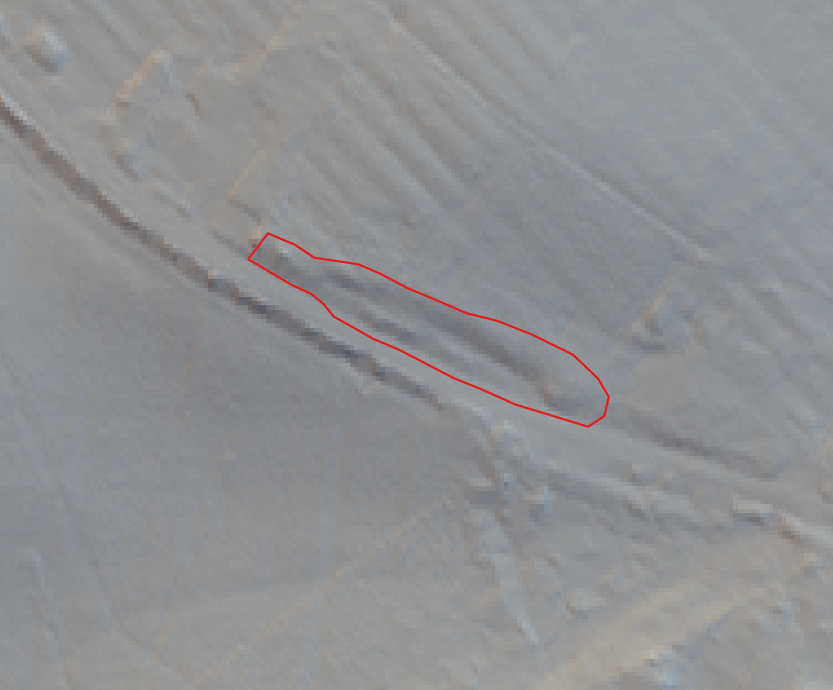
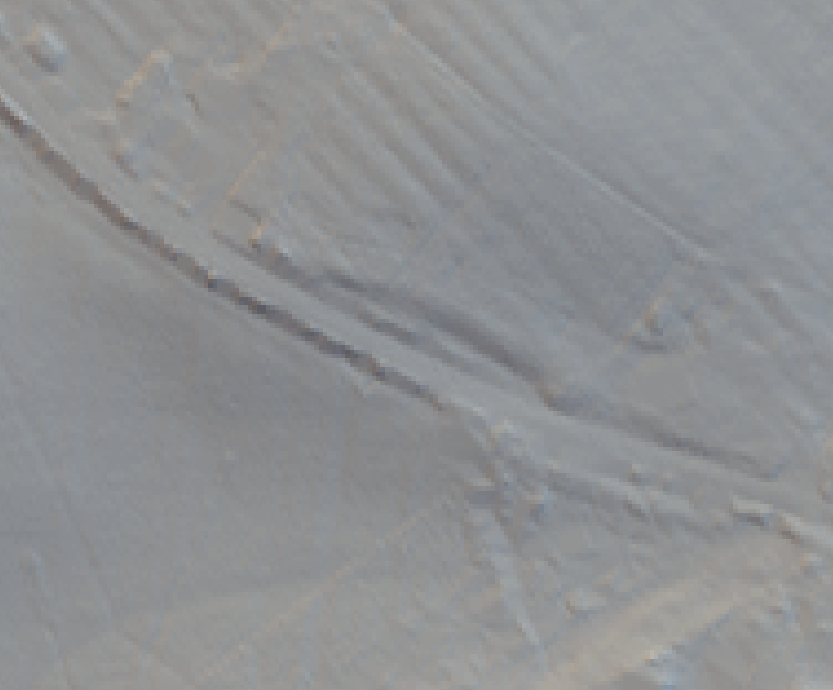

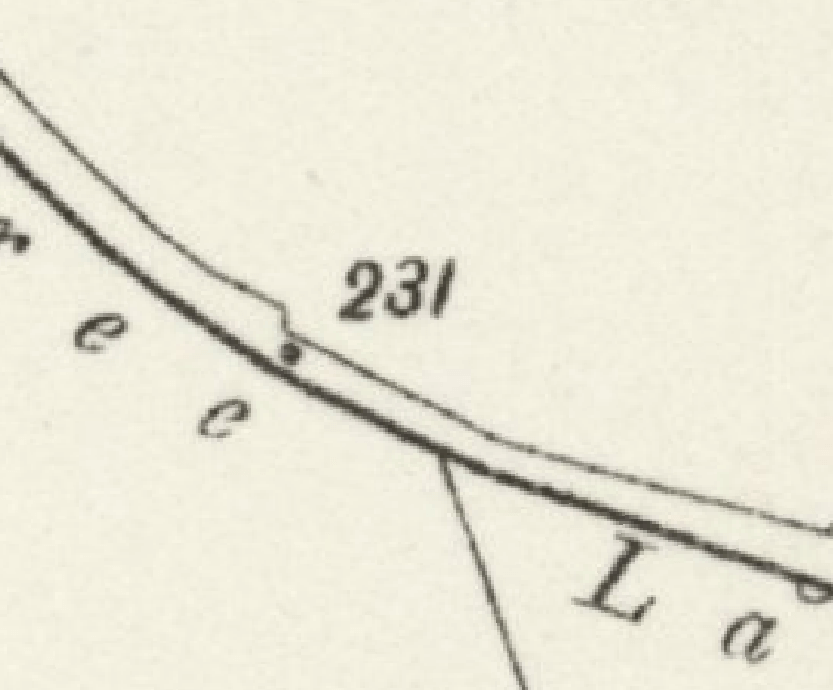
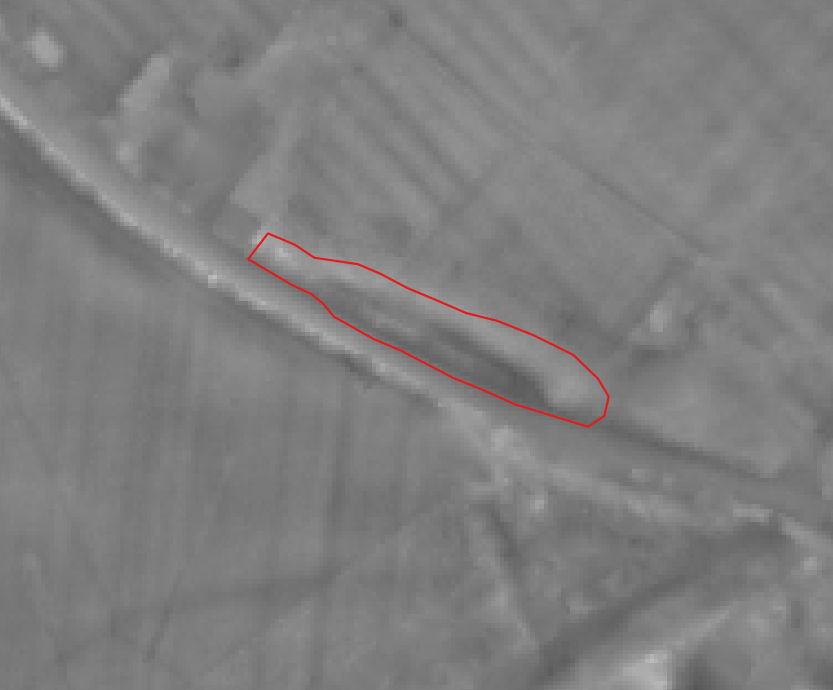
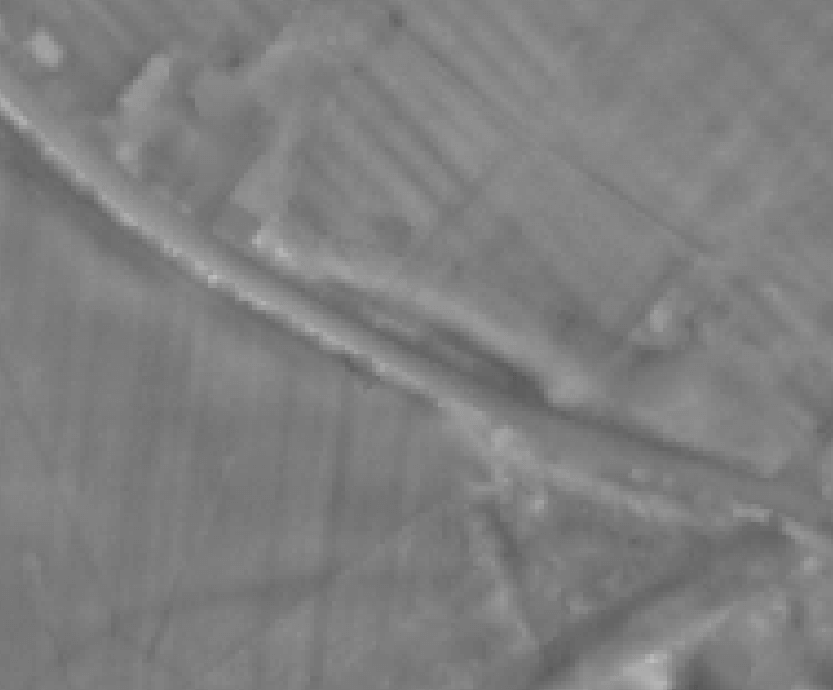


Many are of prehistoric origin, but most examples surviving in today’s landscape are medieval or later. The use of these roads peaked in the 18th century before railways made many of them redundant. Drove roads tended to be wide, unsurfaced tracks which, though walled (or fenced) on both sides had enough vegetation for grazing as the herd passed along. Herd control was usually easiest on routes that did not have toll gates, carriages or other obstruction, and many drover’s routes generally avoided villages and other settlement areas.
Further Reading:
Historic England’s Introductions to Heritage Assets: Pre-industrial Roads, Trackways and Canals
What to look for:
- Evidence of halting points every 16-19km (a day’s walk), possibly in the form of inns
- Possible polished appearance to stone sections of road
- Lack of linear ruts, indicating absence of wheeled vehicle traffic