Track
The track is the structure on a railroad that directs the wheels of the wagon or train car running on it.

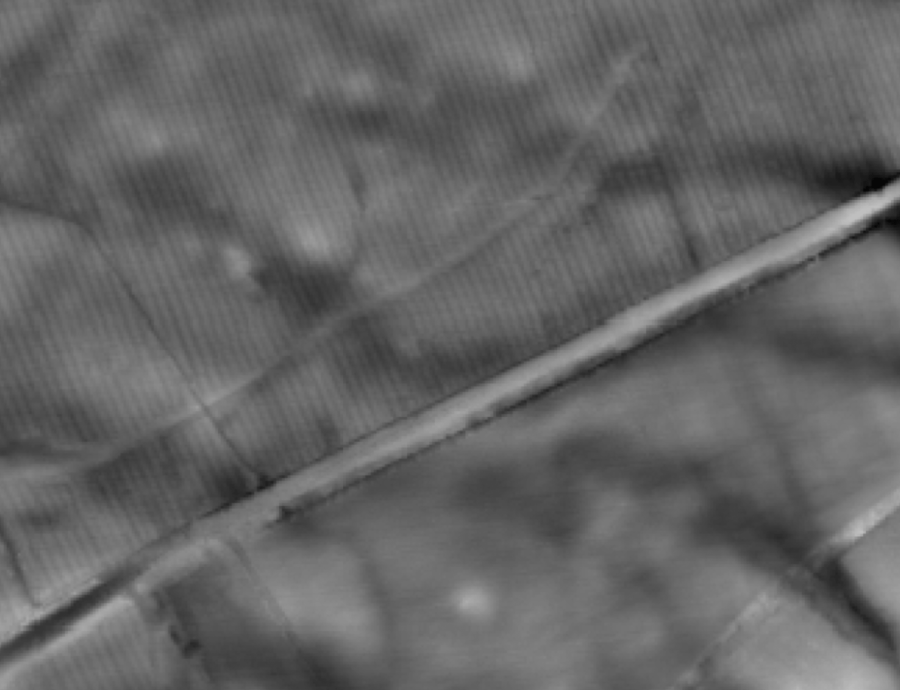

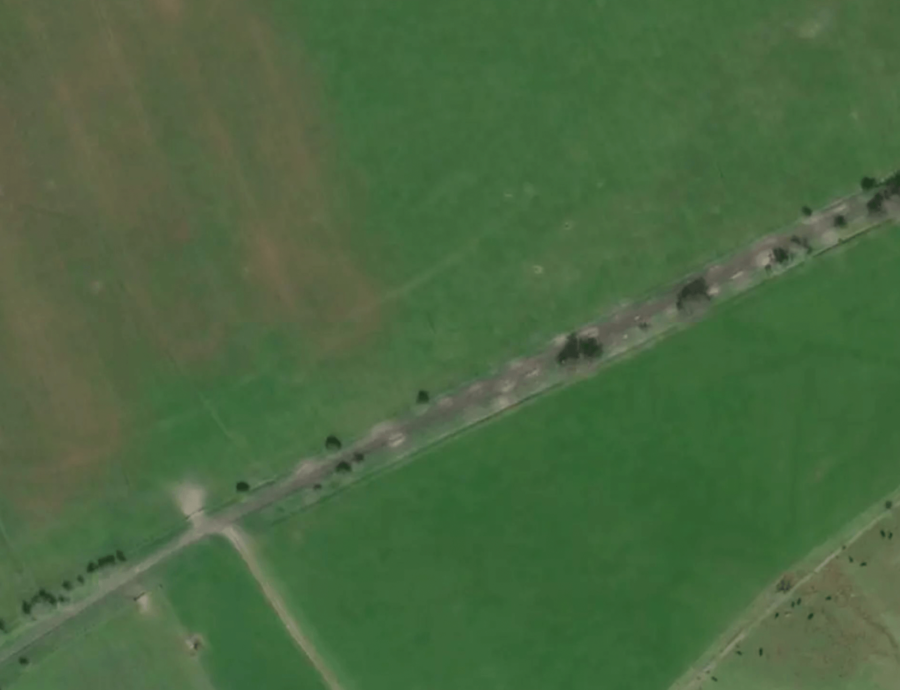
The most essential part of the structure is the rails but it can also include, sleepers, track bed (ballast) and any underlying foundation.
The distance between the rails is called the track gauge, in Britain the standard gauge is 4ft 8 ½ in, developed from a gauge used by horses and carts. Early wagonways and railways weren’t standardised and gauge can range from 3ft to 5ft foot. Before there was a vision of the vast network that connects cities today, Railways were private transport routes for individual mines with no incentive for compatibility. One of the main competitors for track supremacy in the early years of the steam railway was the broad-gauge track measuring 7ft ¼.
Tracks started out with wooden rails and a track bed of packed earth. Track bed was later reinforced with cobbles, gravel or stone to give horses a more robust path to walk and rails began to be plated in iron for durability. Eventually rails were made of solid metal and attached to ‘sleepers’ that lay perpendicularly under the rails to provide support and maintain the gauge.
What to look for:
- Narrow packed earth, gravel or cobble paths between 3-8ft (0.9m-2.5m) wide
- Parallel lines of track 3 - 8ft (0.9m-2.5m) apart
- Cobbled wagonway paths 3 – 4ft 8 1/2