Motte
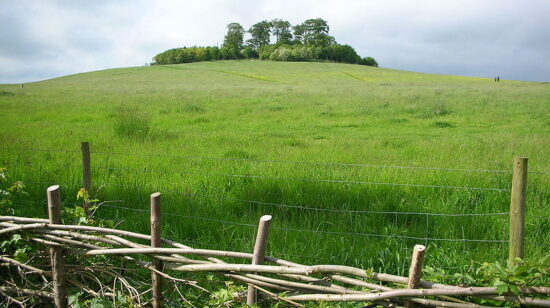
A motte is an earth mound with a conical shape that was constructed for the timber tower of a Norman castle, dating from c. AD 1050 to 1200.
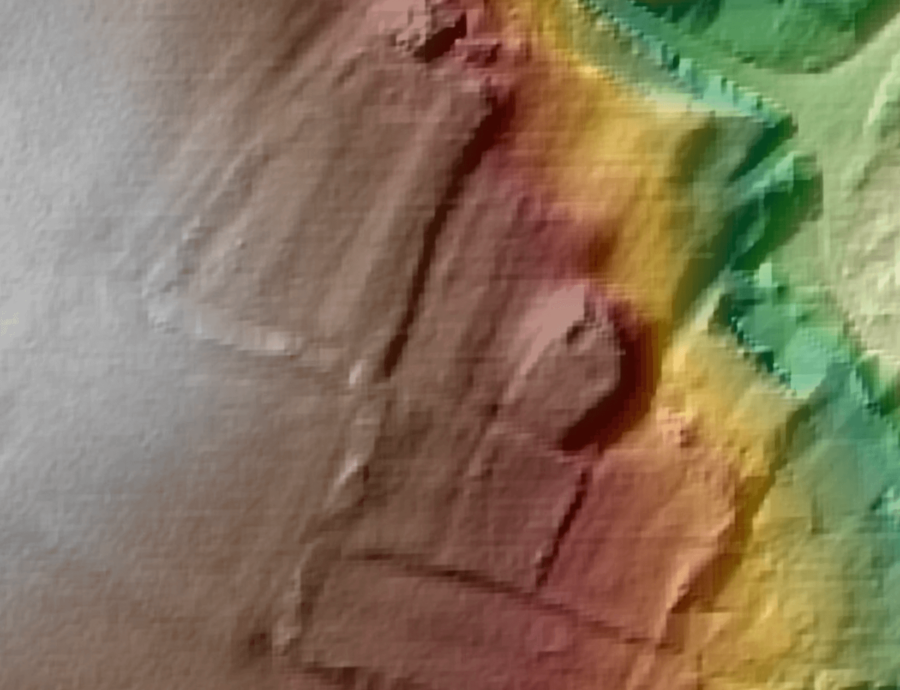
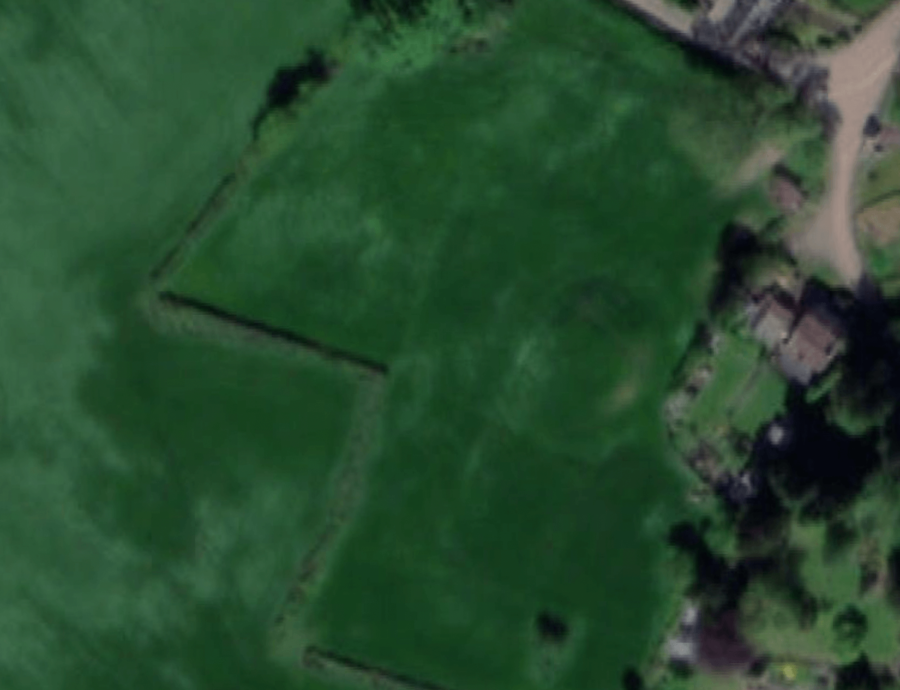
A motte is characterised by steep sides and a flat top. It may also have a ditch around the base, both to provide earth for construction and to fortify the mound. It would have been surrounded by or connected to an enclosure called a Bailey where domestic and functional buildings associated with the castle settlement would be protected. Evidence of the bailey may not survive.
Most mottes are severely altered in appearance today, with no trace of the towers and palisades that once stood on top. The ditches will be significantly shallower, and the sides more gently sloped than their originally steep and bare form. The size of a Motte can vary considerably, with a height of 3m-30m and diameter of 30m-90m.
Further Reading:
Historic England’s Introductions to Heritage Assets: Earthwork and Timber Castles
What to look for:
- A steep, conical shape
- A flat-top helps distinguish a motte from a round barrow
- The presence of ramparts –bailey earthworks, ditches or entranceways –which can have a more sharply defined profile than those from older earthworks such as hillforts
- A strategically-placed position within the landscape, or one in close proximity to other settlement
- A strategically-placed position within the landscape, or one in close proximity to other settlement